Order Rodentia — Rodents
Kingdom: Animalia > Phylum: Chordata > Class: Mammalia > Order: Rodentia
Rodents are the largest order of mammals, accounting for roughly 40% of all living mammal species. They occur on every continent except Antarctica and occupy a wide range of habitats, from forests and grasslands to deserts and wetlands. They are characterised by a single pair of continuously growing incisors in both the upper and lower jaws, which must be worn down by gnawing.
Most rodents are small plant-eaters that feed on seeds, nuts and other vegetation, although some species have more varied diets. The group includes a wide range of animals from tiny mice to the Capybara, the largest living rodent.
Modern classifications divide the order into five major suborders, reflecting their evolutionary relationships.
- Suborder Anomaluromorpha: scaly-tailed squirrels and springhares
- Suborder Castorimorpha: beavers, gophers, kangaroo rats, pocket mice, and relatives
- Suborder Hystricomorpha: hystricognath rodents (porcupines, guinea pigs, agoutis and relatives)
- Suborder Myomorpha: mice, rats, gerbils, jerboas, and relatives
- Suborder Sciuromorpha: squirrels, dormice, and relatives
Families within Order Rodentia
The families are shown below grouped by suborder.
Observations
Observation notes and photographs are provided below for the families in which I have recorded sightings.
Family Sciuridae
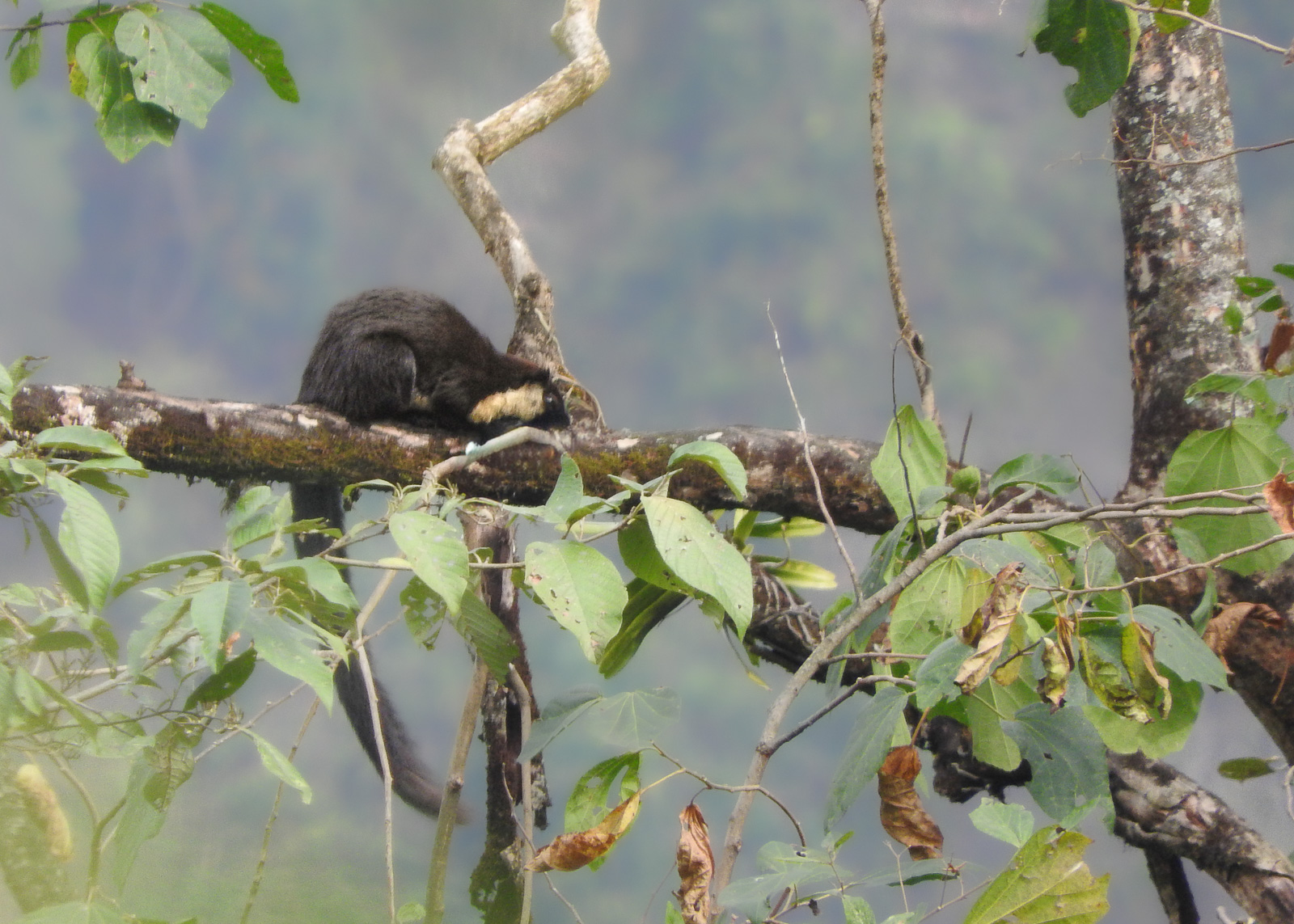
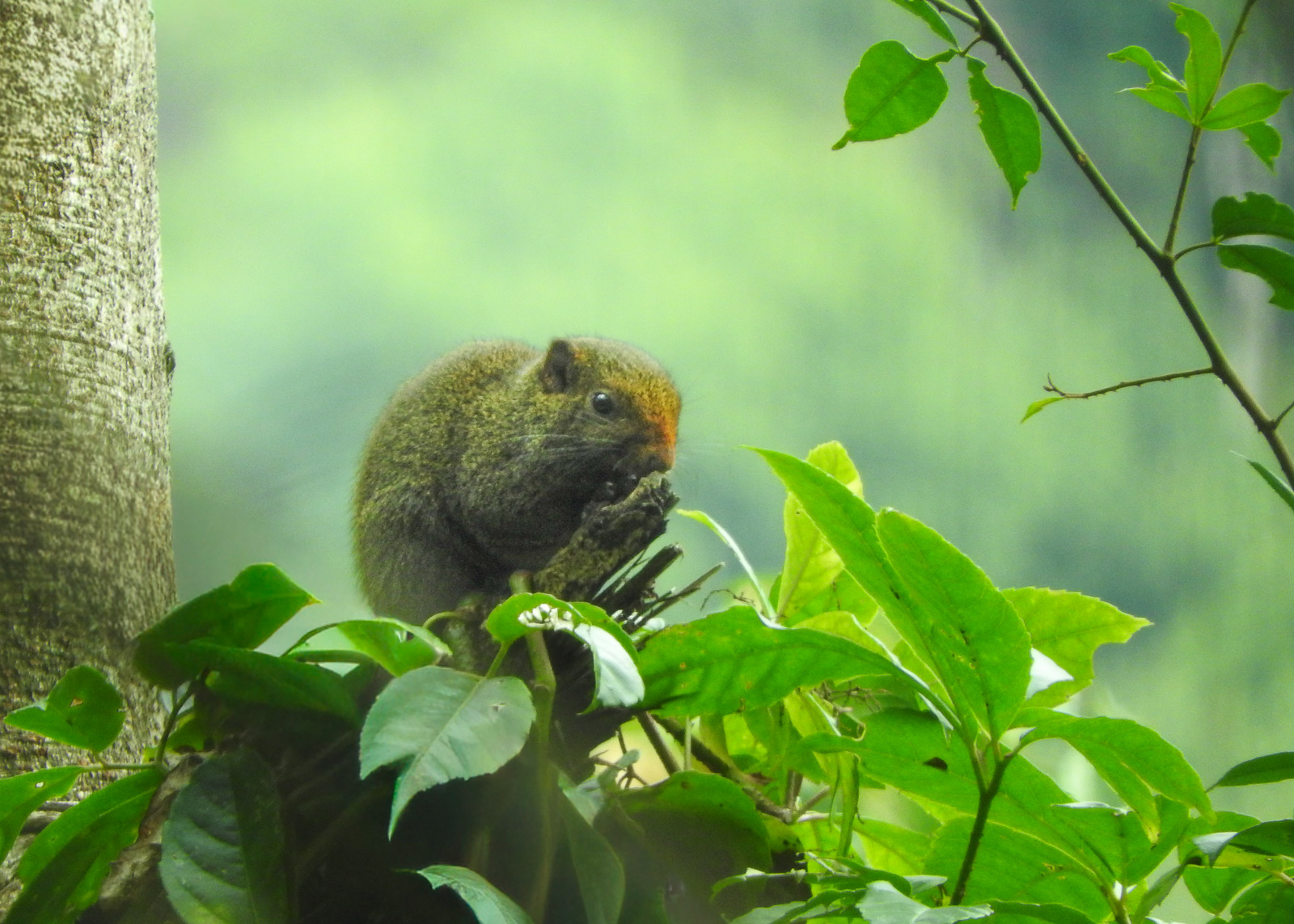
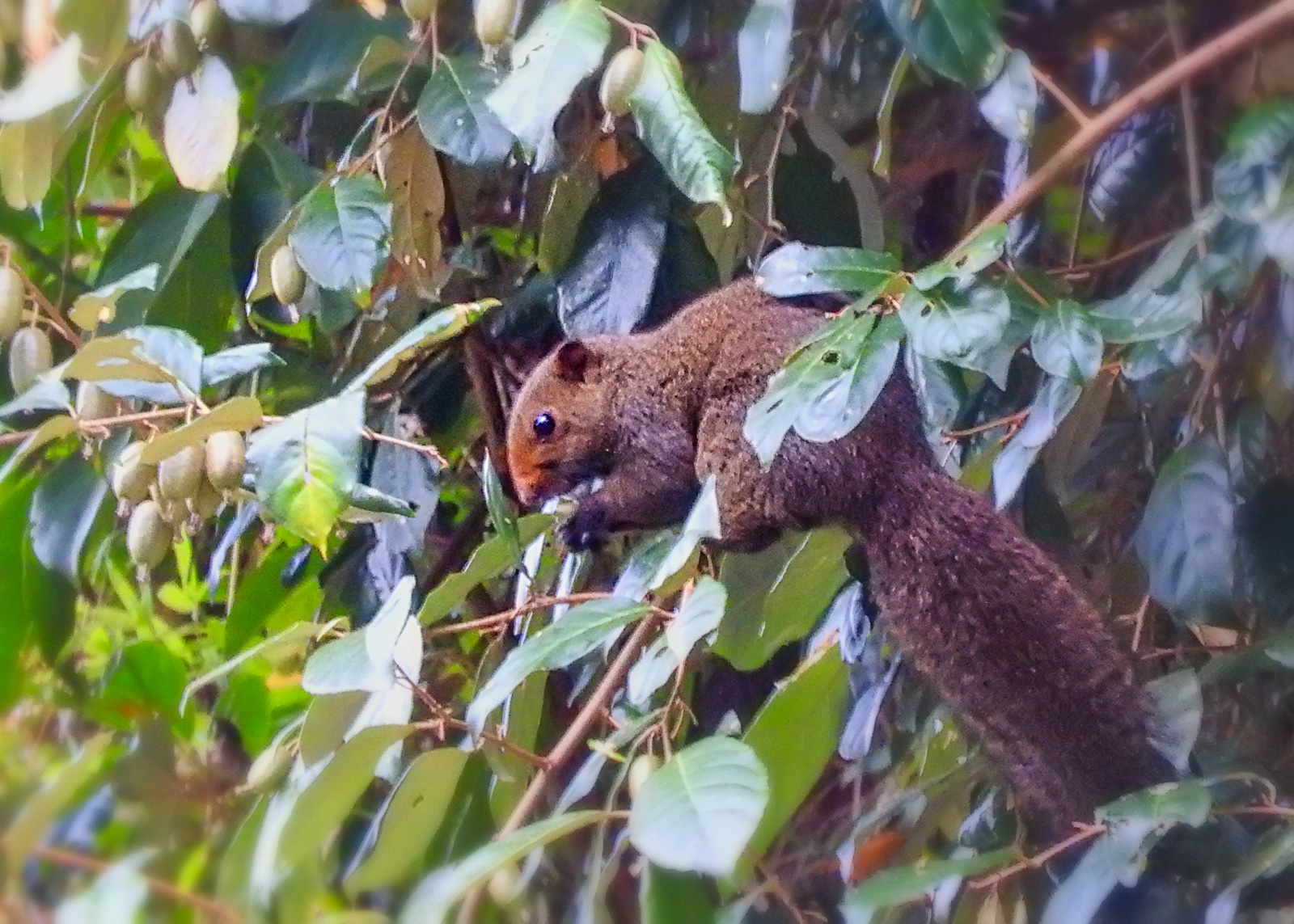
I have seen many different squirrel species both at home and on my travels. One of my most memorable sightings was a Bhutan Giant Flying Squirrel on a night walk at Trogon Villa in Bhutan. We watched it moving through the trees before it suddenly launched itself and glided across to another branch. On the same trip we also saw the Malayan Giant Squirrel as well as Orange-bellied and Hoary-bellied squirrels.
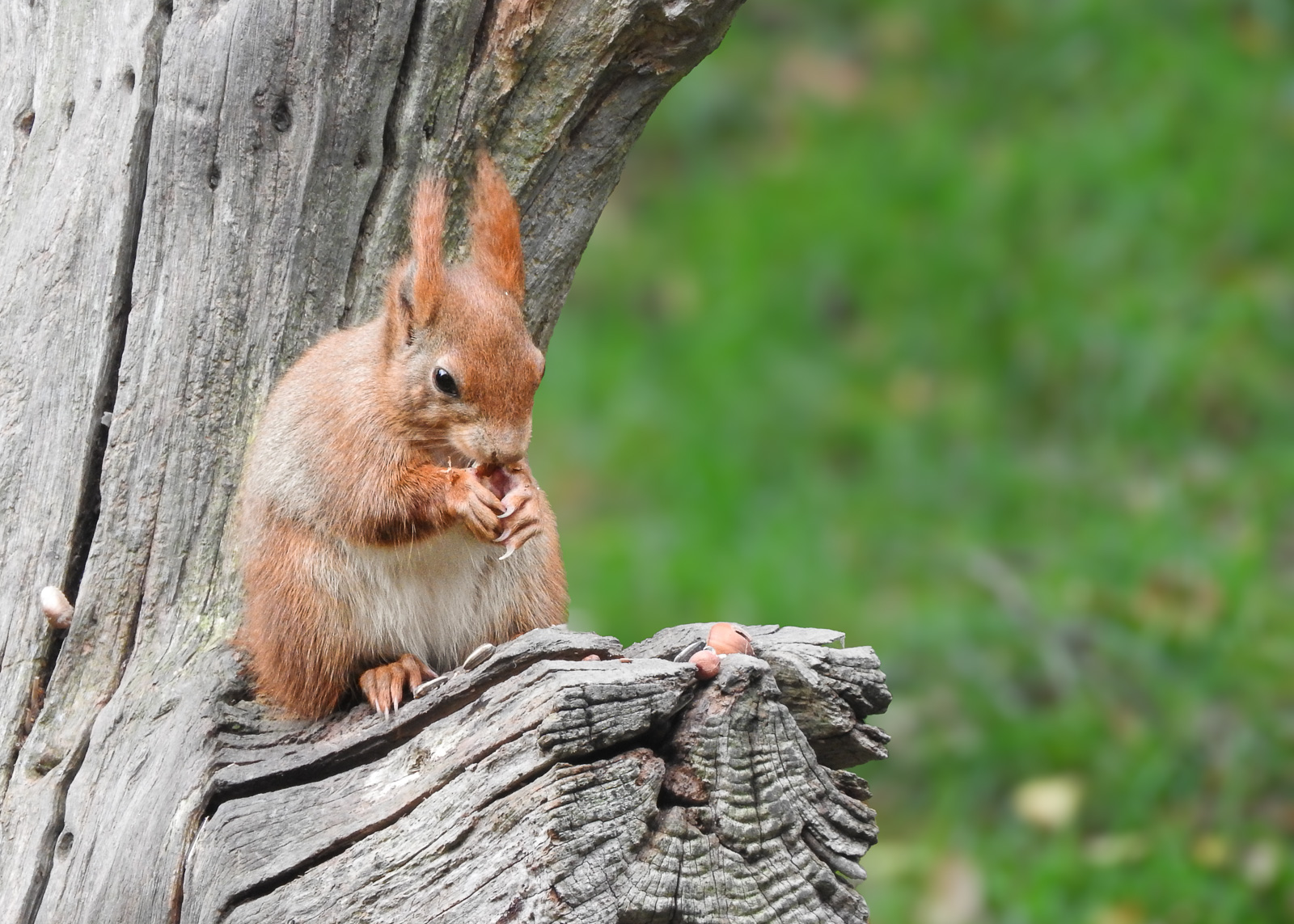
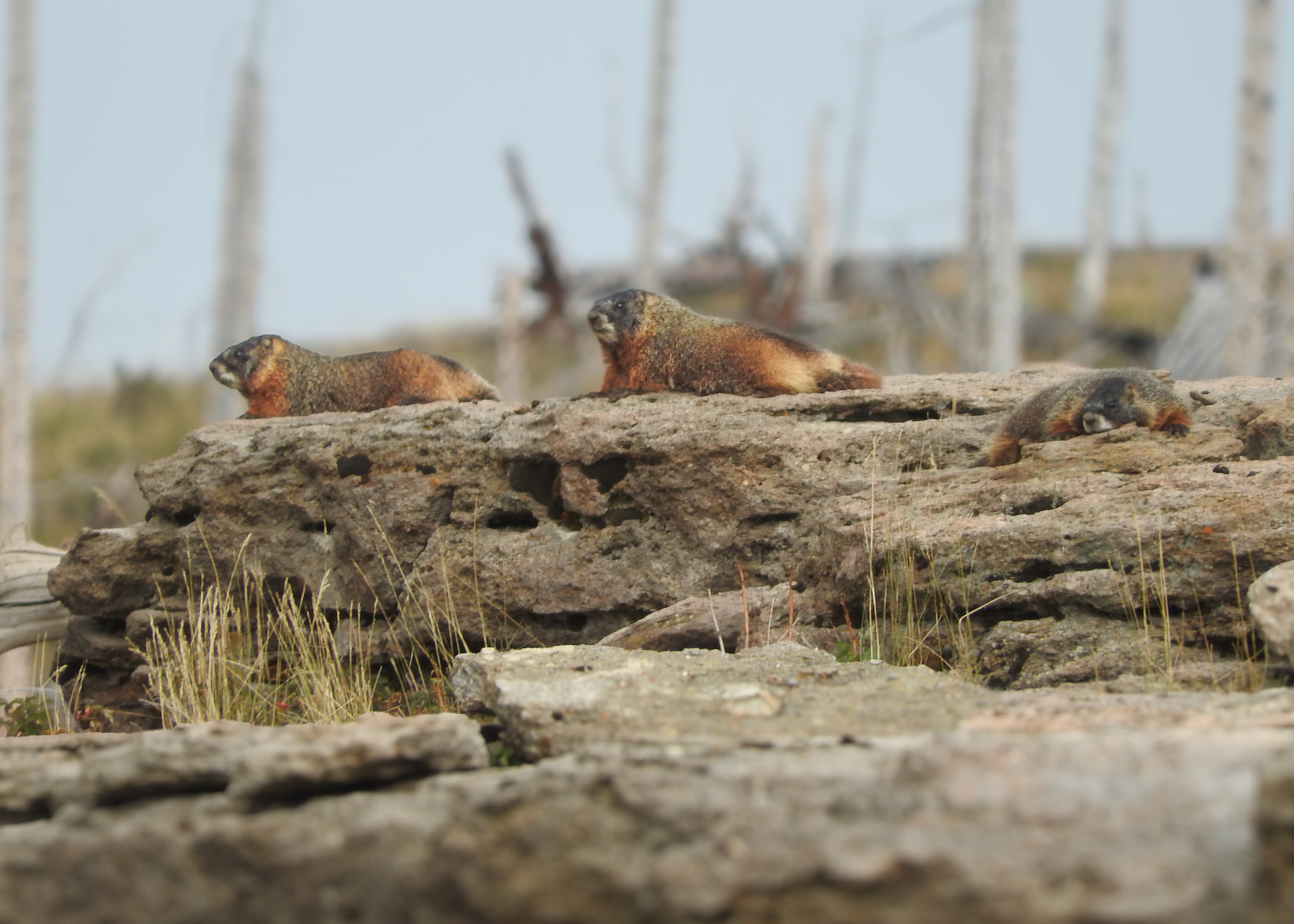
In North America I’ve come across several ground squirrels, as well as American Red Squirrels and Yellow-bellied Marmots, and even a Rock Squirrel in Texas. Closer to home, the European Red Squirrel, native to Norway, my homeland, is my favourite. I have also seen them here in the UK, in Scotland and on Brownsea Island.
Expand to view species I have seen (17)
Flying squirrels
- Bhutan Giant Flying Squirrel (Petaurista nobilis) — Bhutan 2020
Tree squirrels
- Hoary-bellied Squirrel (Callosciurus pygerythrus) — Bhutan 2020
- Orange-bellied Himalayan Squirrel (Dremomys lokriah) — Bhutan 2020
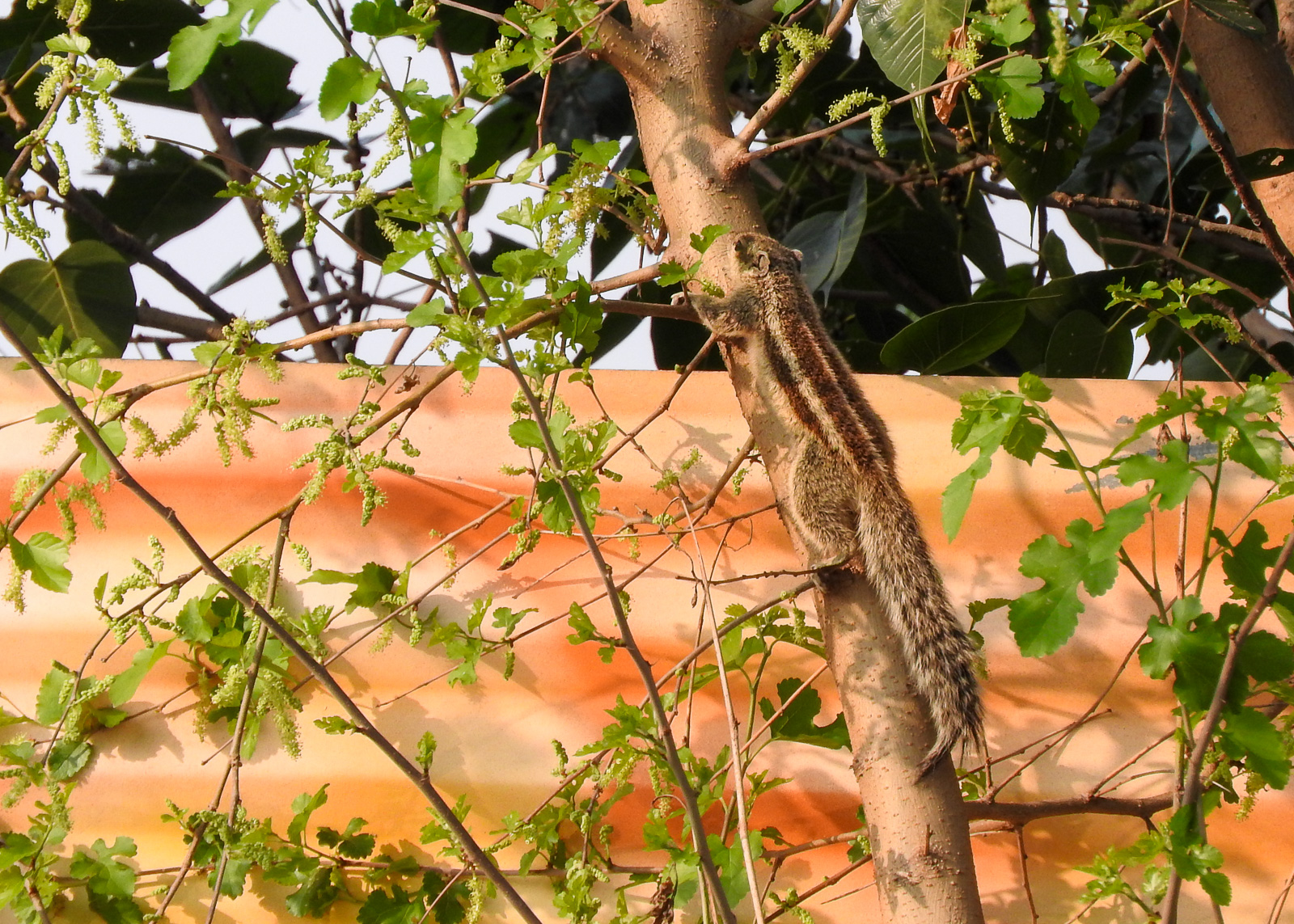
- Northern Palm Squirrel / Five-striped Palm Squirrel (Funambulus pennantii) — India 2020
- Malayan Giant Squirrel (Ratufa bicolor) — Bhutan 2020
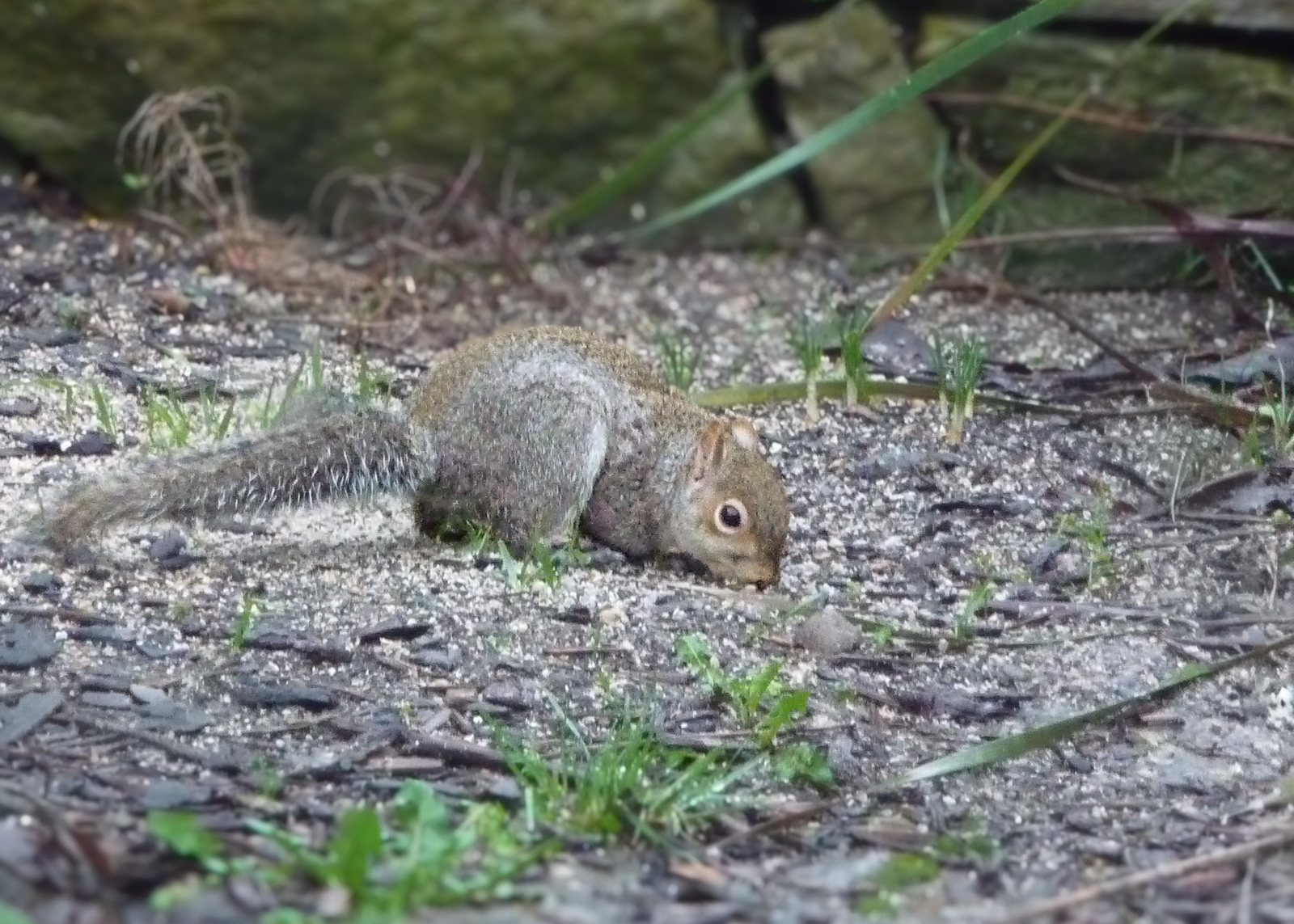
- Eastern Gray Squirrel (Sciurus carolinensis) — Various, UK Species
- Red-tailed Squirrel (Sciurus granatensis) — Trinidad & Tobago 2019
- Fox Squirrel (Sciurus niger) — Texas 2024
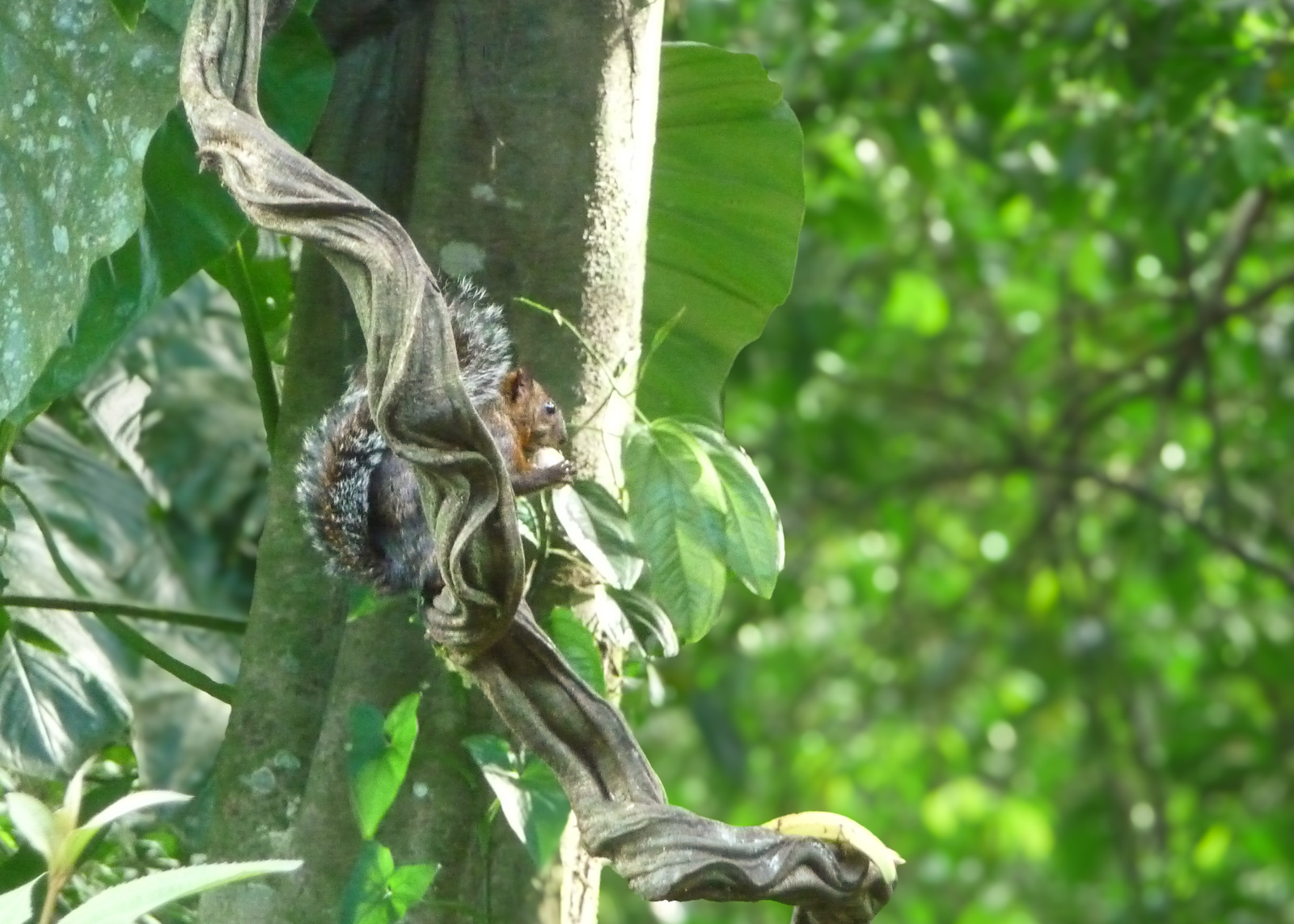
- Variegated Squirrel (Sciurus variegatoides) — Costa Rica 2015
- Red Squirrel (Sciurus vulgaris) — Various UK & Norway
- American Red Squirrel (Tamiasciurus hudsonicus) — Yellowstone 2017
Ground squirrels
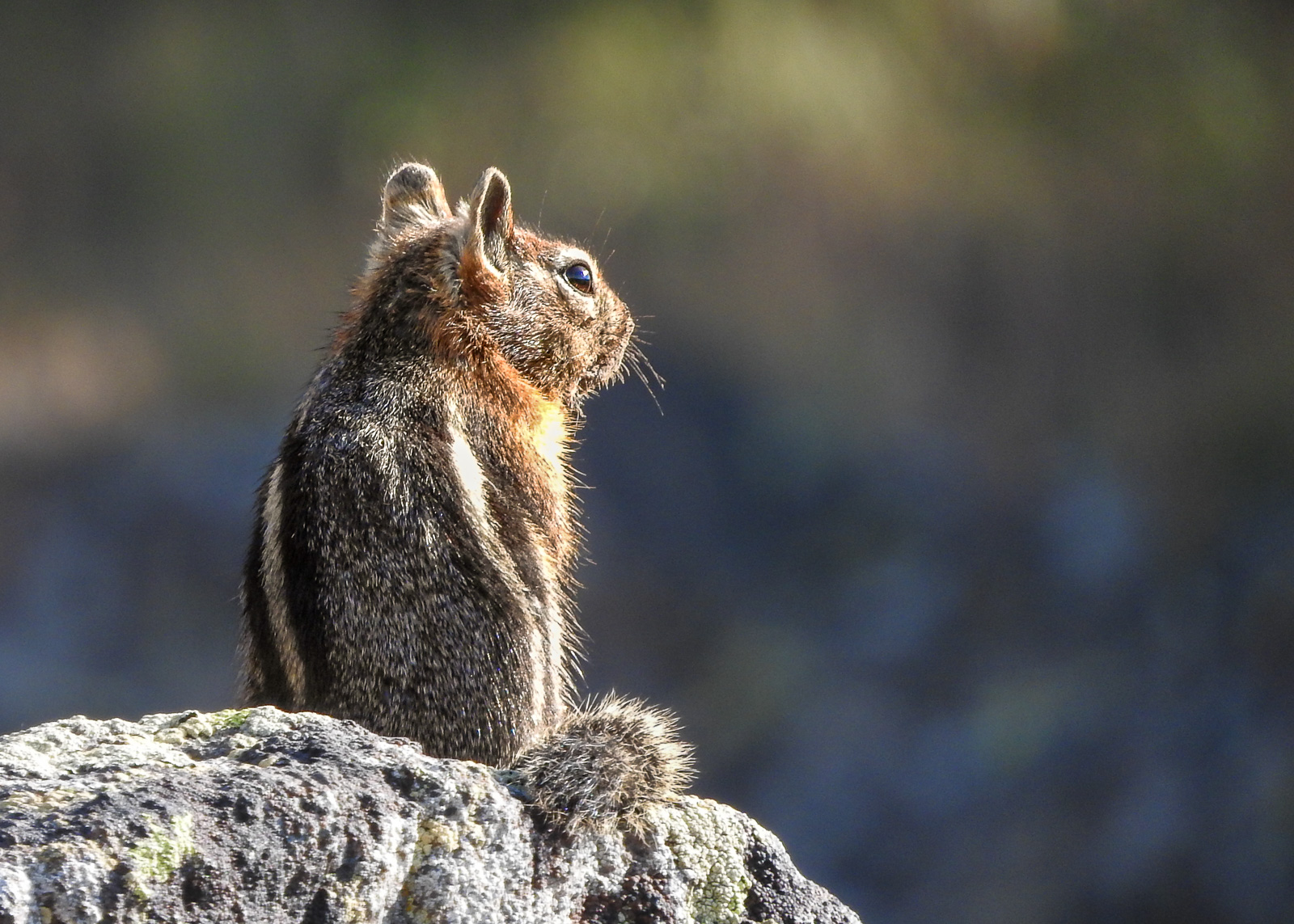
- Golden-mantled Ground Squirrel (Callospermophilus lateralis) — Yellowstone 2017 / Banff, Canada 2012
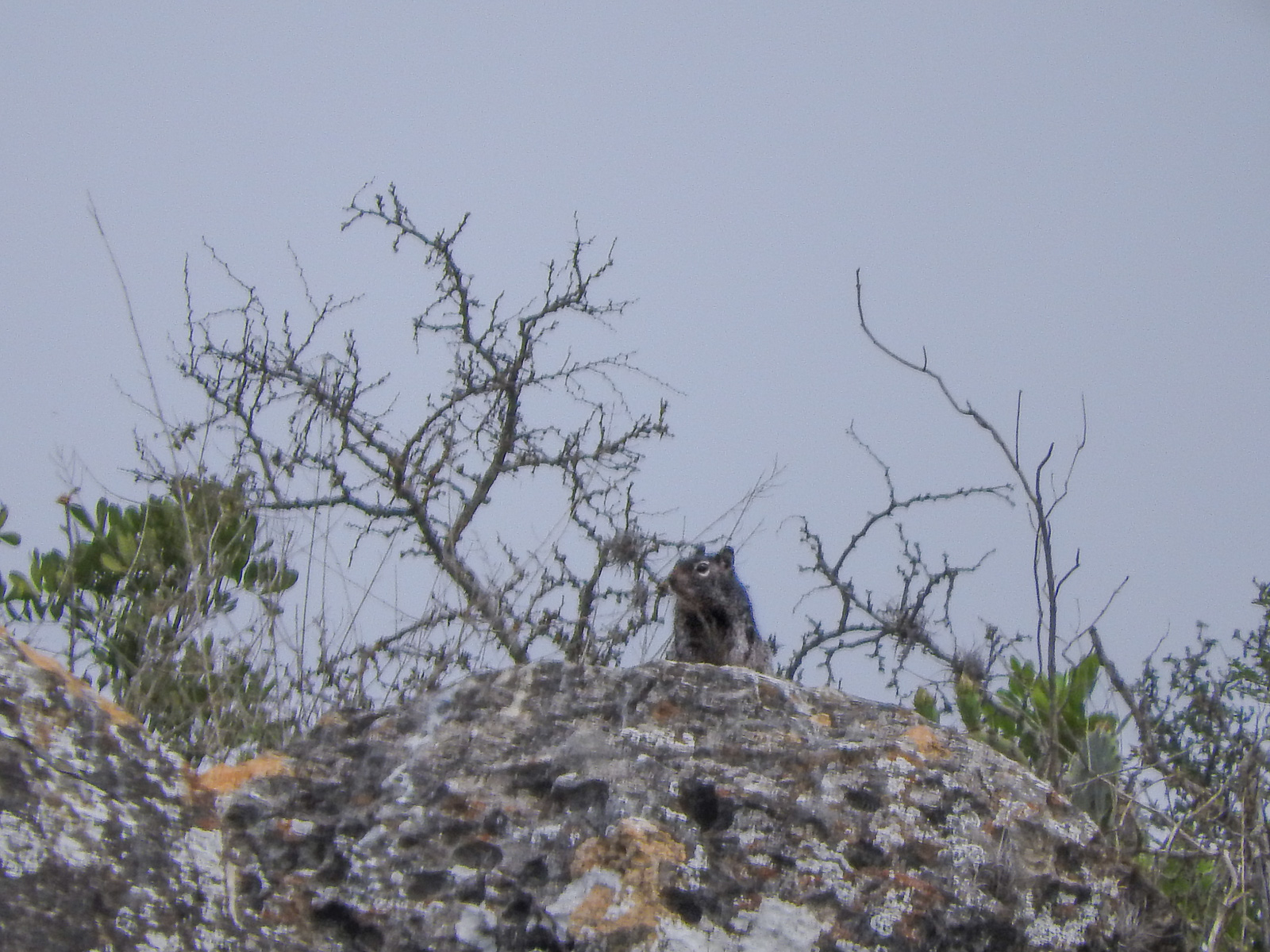
- Rock Squirrel (Otospermophilus variegatus) — Texas 2024
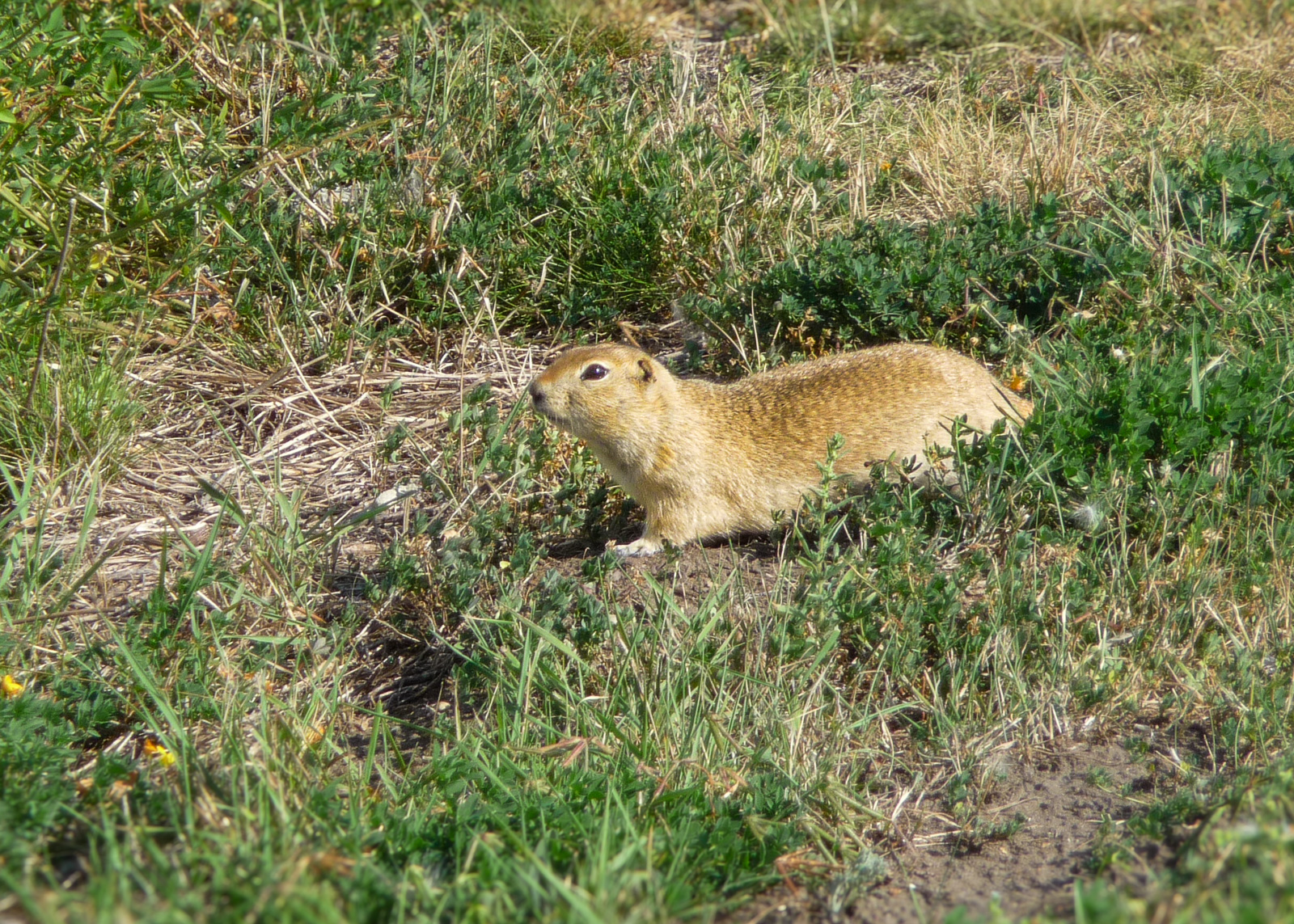
- Richardson’s Ground Squirrel (Urocitellus richardsonii) — Alberta, Canada 2012
Marmots and chipmunks
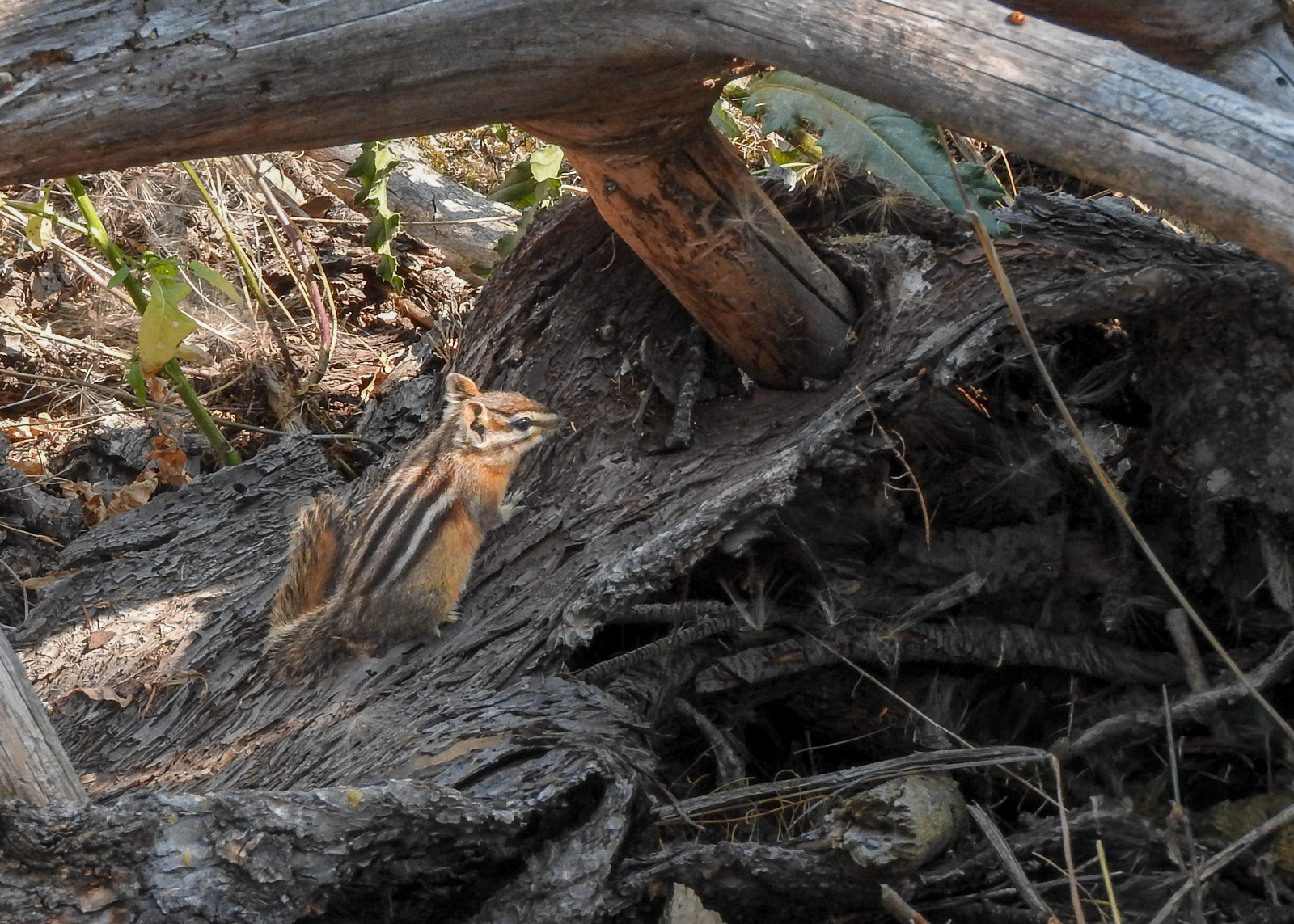
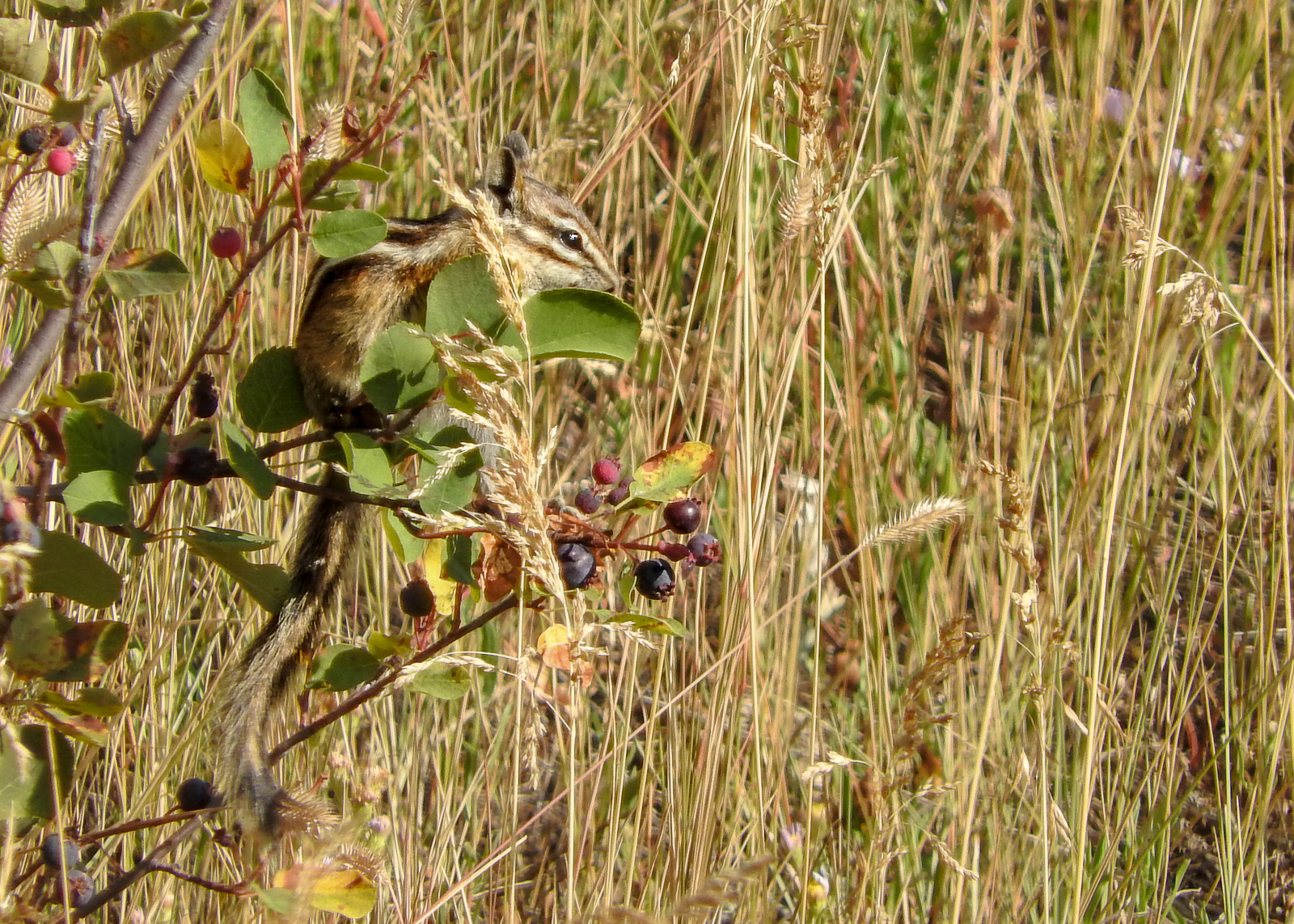
- Least Chipmunk (Neotamias minimus) — Yellowstone 2017 / Canada 2012
- Yellow-bellied Marmot (Marmota flaviventris) — Yellowstone 2017
- Yellow-pine Chipmunk (Neotamias amoenus) — Yellowstone 2017

Other rodent families I’ve encountered
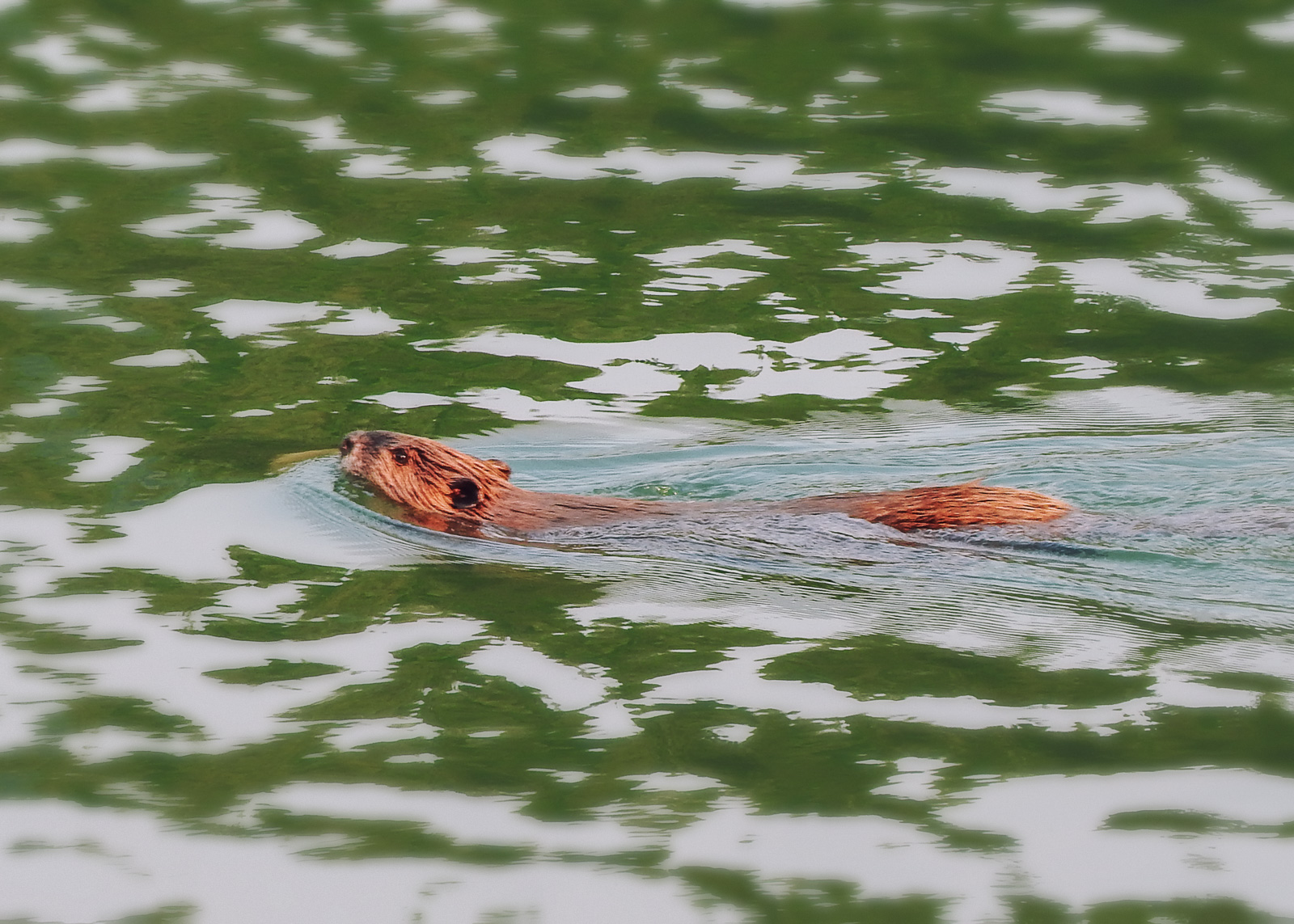
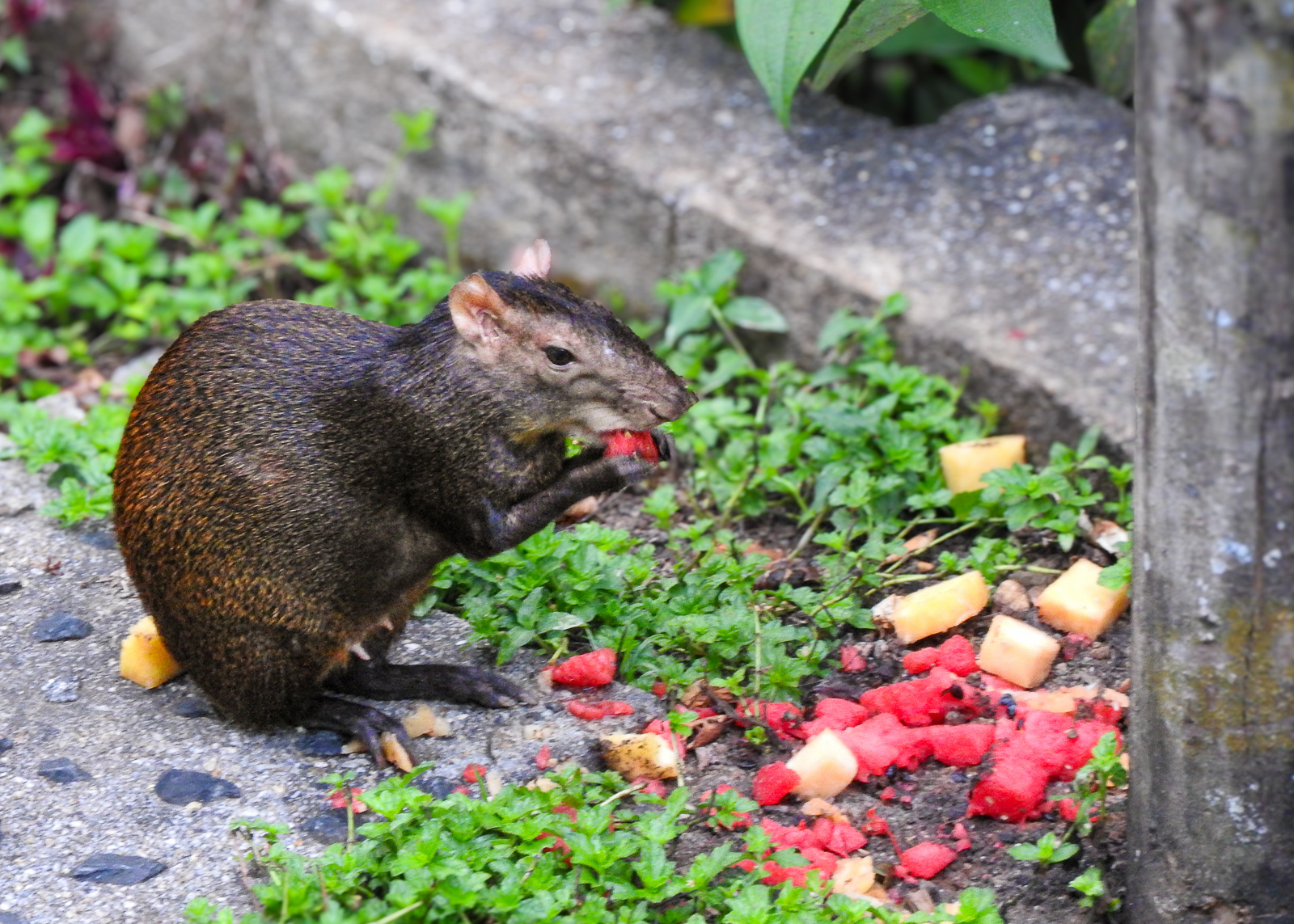
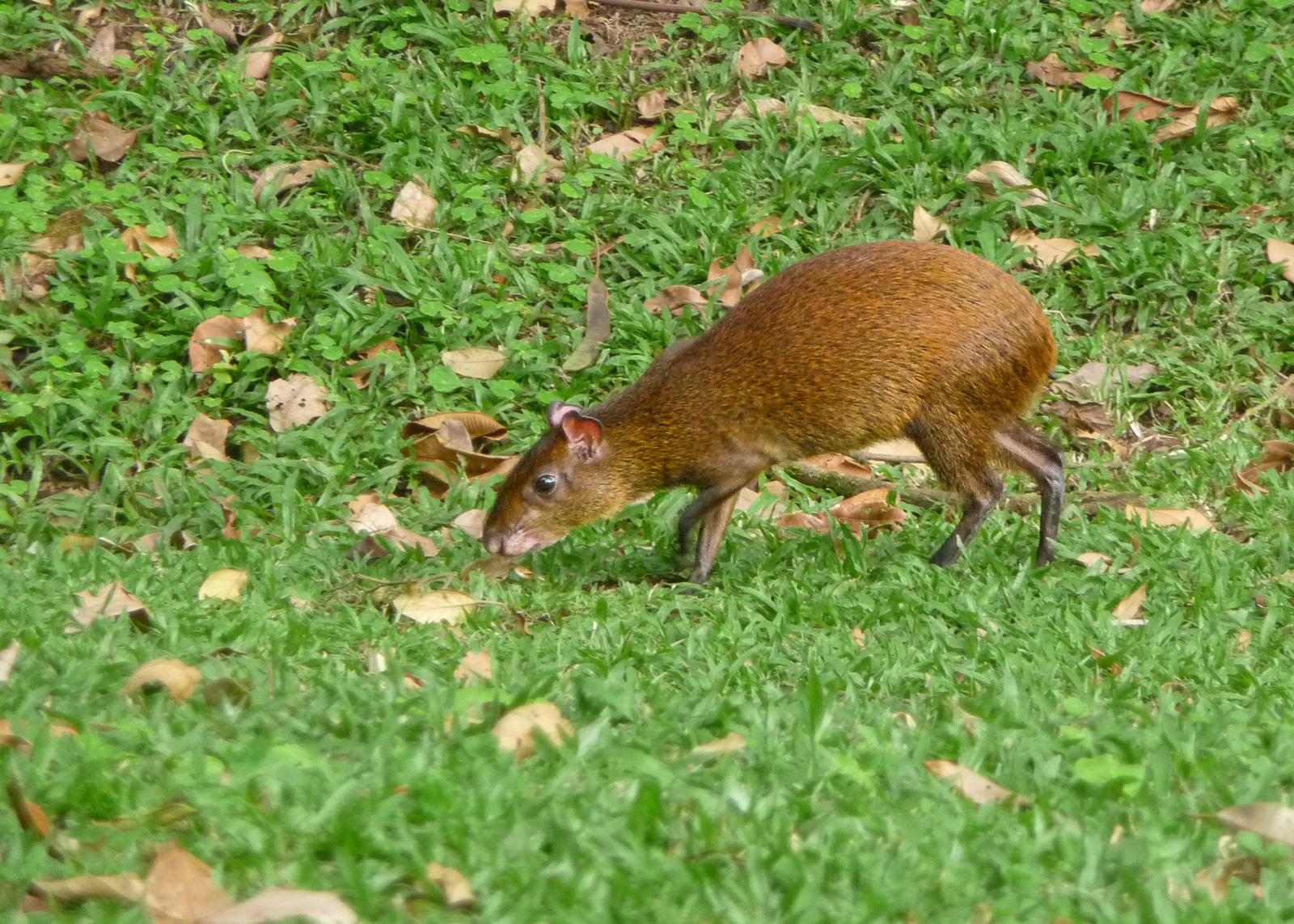
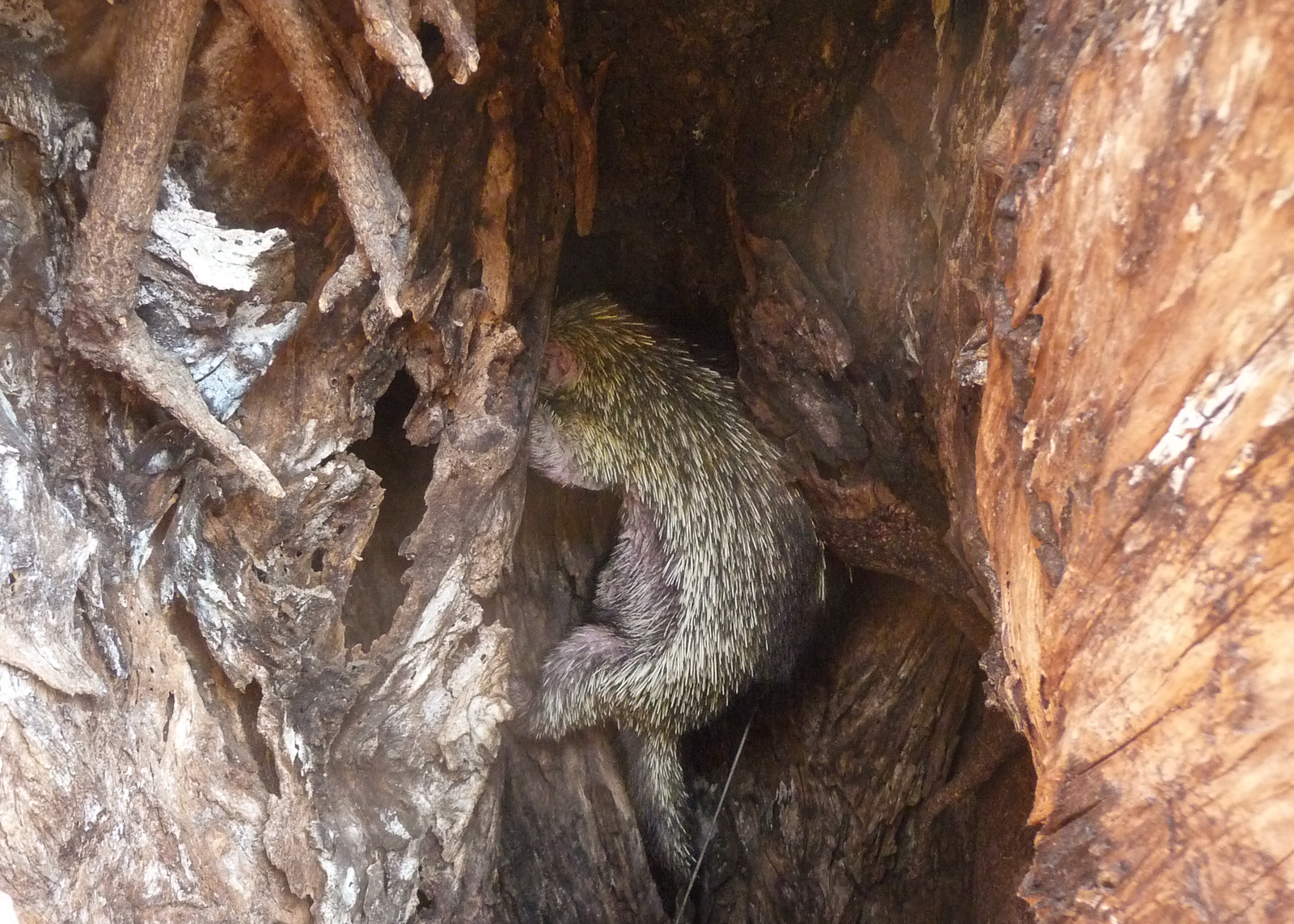
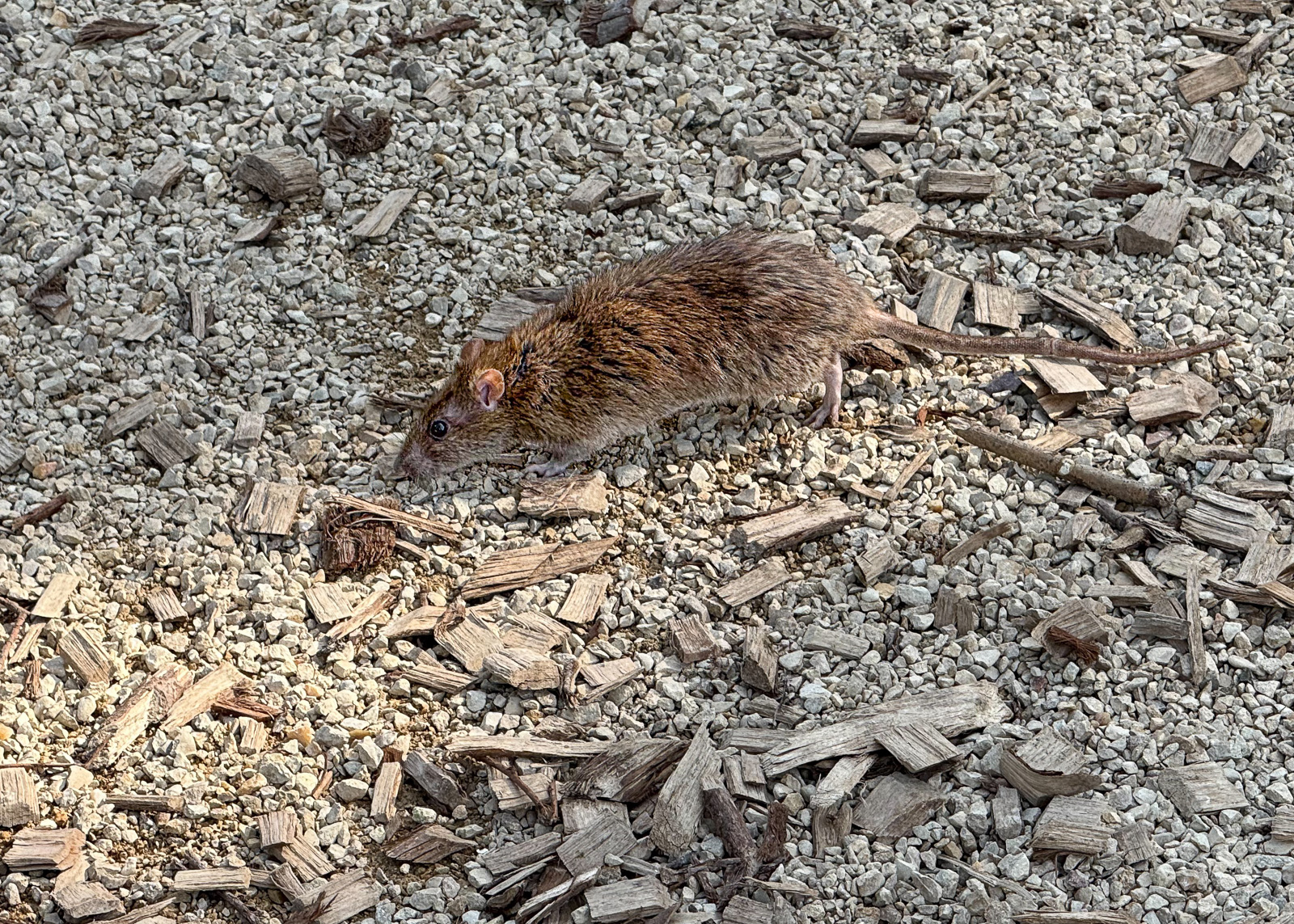
I have also seen a few other rodent families during my travels, although usually only a few species from each. Near Jackson Hole we had some brilliant views of several American Beavers swimming past a cabin by the river. In Trinidad we watched an Agouti snooping around the bird feeders, and in Costa Rica we found a Porcupine asleep in a hole in a tree at Solimar Ranch on the Pacific coast. During night canoe trips on the Amazon we also saw several species of tree rat moving through the riverside vegetation. Closer to home, rats are never far away in the UK.
Expand to view species I have seen (17)
Family Castoridae — beavers (2 species)
- American Beaver (Castor canadensis) — Yellowstone 2017
- Eurasian Beaver (Castor fiber) — Norway 2025
Family Cricetidae — voles, muskrat and New World rats (4)
- Short-tailed Vole / Field Vole (Microtus agrestis) — Various, UK Species
- Bank Vole (Myodes glareolus) — Various, UK Species
- Eastern Woodrat (Neotoma floridana) — Texas 2024
- Muskrat (Ondatra zibethicus) — Yellowstone 2017
Family Muridae — mice and rats (3)
- Wood Mouse (Apodemus sylvaticus) — Various, UK Species
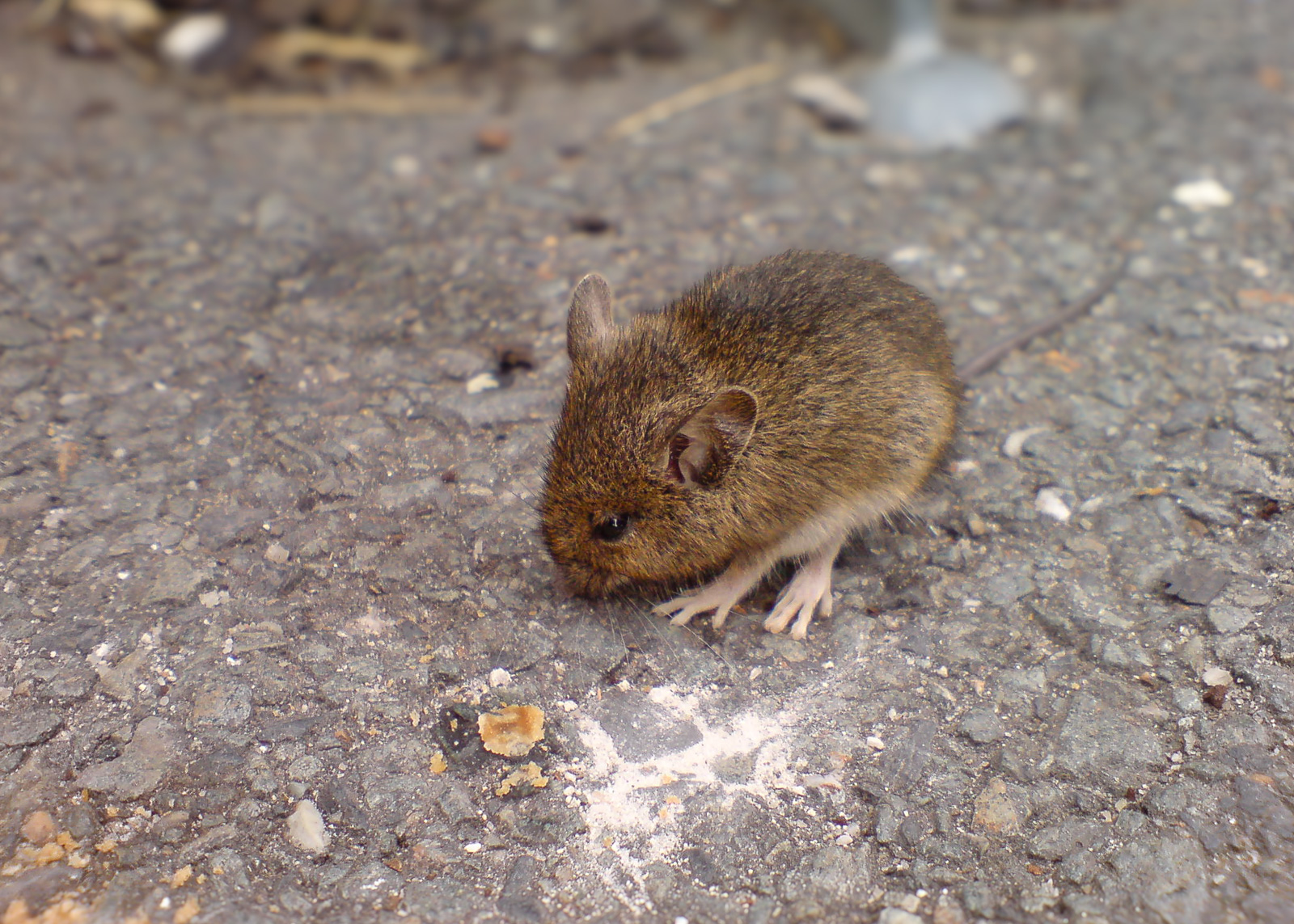
- House Mouse (Mus musculus) — Various, UK Species
- Brown Rat (Rattus norvegicus) — Various, UK Species
Family Dasyproctidae — agoutis (2)
- Red-rumped Agouti (Dasyprocta leporina) — Trinidad & Tobago 2019
- Central American Agouti (Dasyprocta punctata) — Costa Rica 2015
Family Echimyidae — spiny rats (4)
- Amazon Bamboo Rat (Dactylomys dactylinus) — Amazon 2024
- Rio Negro Brush-tailed Rat (Isothrix negrensis) — Amazon 2024
- Red-nosed Tree-rat (Makalata didelphoides) — Amazon 2024
- Cayenne Spiny Tree-rat (Mesomys hispidus) — Amazon 2024
Family Erethizontidae — New World porcupines (1)
- Mexican Hairy Dwarf Porcupine (Coendou mexicanus) — Costa Rica 2015
Family Myocastoridae — coypu / nutria (1)
- Coypu / Nutria (Myocastor coypus) — Slovenia 2024