Order Artiodactyla – Even-toed Ungulates and Cetaceans
Kingdom: Animalia > Phylum: Chordata > Class: Mammalia > Order: Artiodactyla
Artiodactyla is an order that includes the even‑toed hoofed mammals as well as whales and dolphins. Most terrestrial members walk on two main toes and are plant‑eaters with specialised digestive systems, while the cetaceans are fully aquatic and adapted for life in water. Modern classifications, including iNaturalist, place whales and dolphins within this order because they share a common evolutionary origin with hoofed mammals.
Families within Order Artiodactyla
Even-toed Hoofed Mammals (Terrestrial and Semi-aquatic)
These are the land-living and semi-aquatic members of Artiodactyla, characterised by bearing weight on two main toes.
Cetaceans (Whales, Dolphins and Porpoises)
These fully aquatic mammals evolved from early even-toed hoofed ancestors and are now included within Artiodactyla in modern classifications.
Observations
Observation notes and photographs are provided below for the families in which I have recorded sightings.
Family: Bovidae – cattle, antelope, sheep and goats
I’ve met members of the Bovidae family in some remarkable places. In Yellowstone, Bison were everywhere, often bringing traffic to a halt but never causing any frustration. At the 3,337‑metre Beartooth Pass in Wyoming, we were lucky to watch Mountain Goats at close range as they moved across the cliffs.
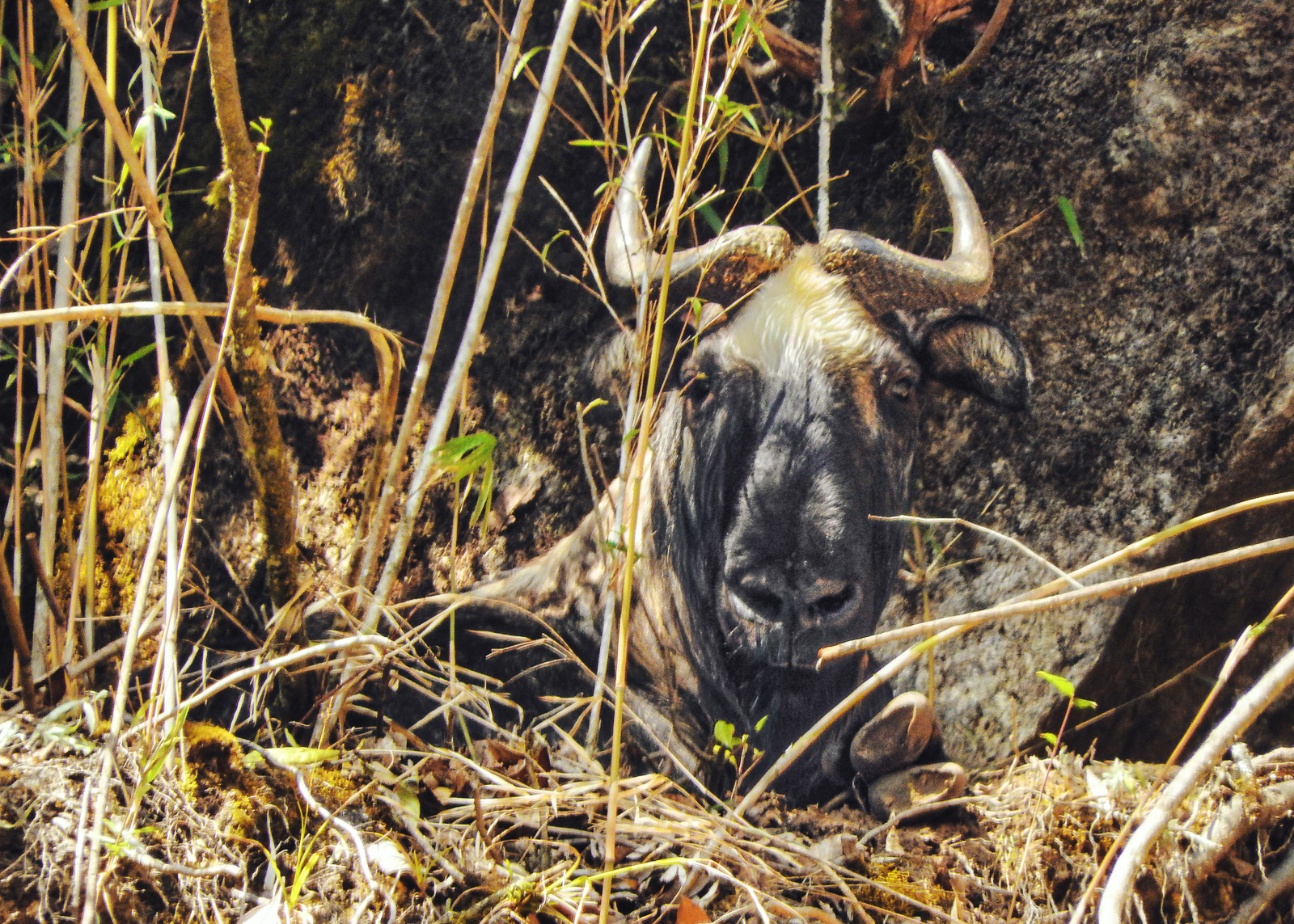
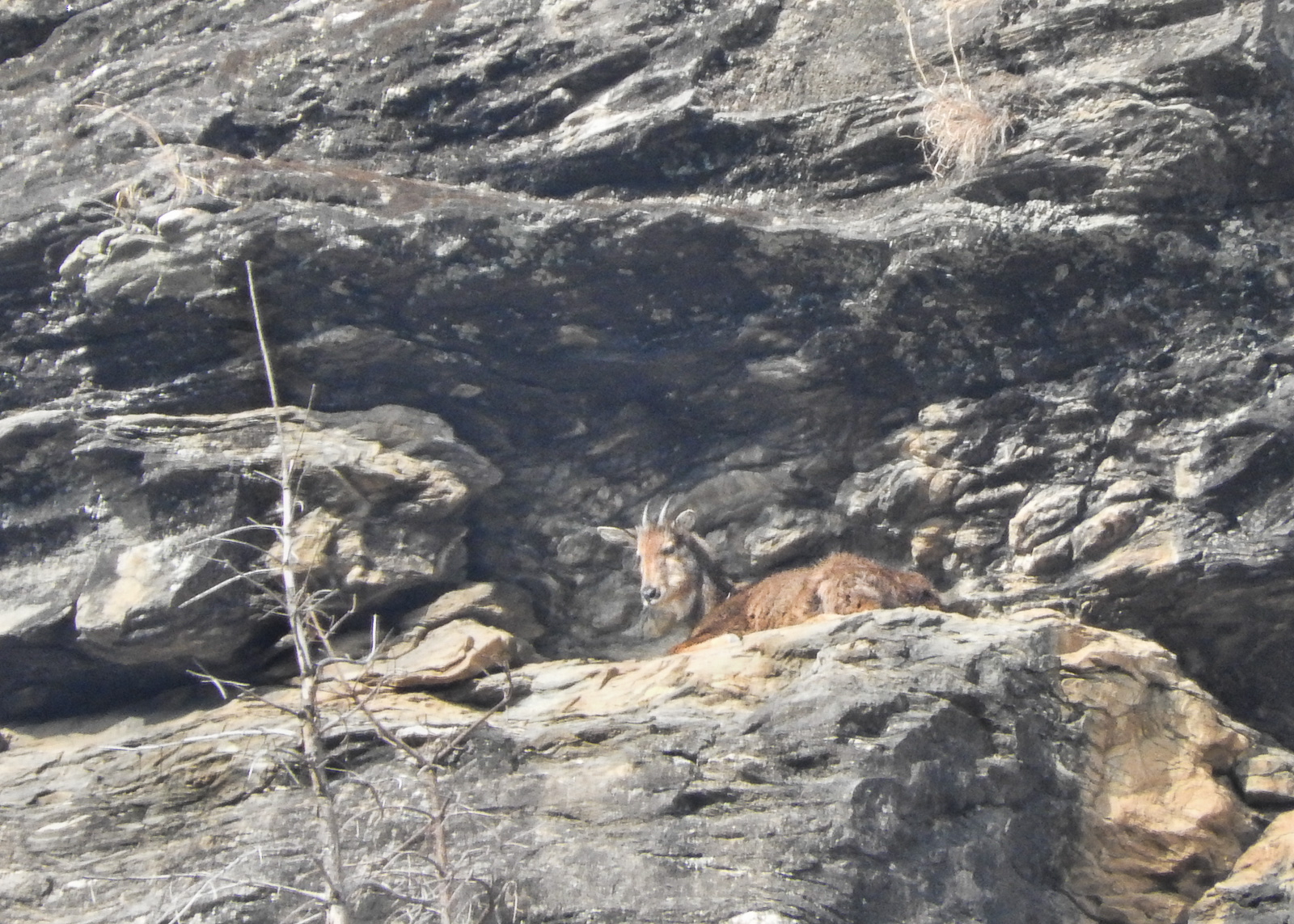
Bhutan offered something rarer. A shape on a distant hillside resolved into a Takin, the national animal and not a species we expected to see at all. Later in the Paro District, we also came across Himalayan Goral on the slopes, a Near Threatened mountain specialist now under pressure from habitat loss and hunting.
Expand to view list of species I have seen (7)
- Bhutan Takin (Budorcas taxicolor ssp whitei) — Bhutan 2020
- Himalayan Goral (Naemorhedus goral) — Bhutan 2020
- American Bison (Bison bison) — Yellowstone 2017
- Mountain Goat (Oreamnos americanus) — Yellowstone 2017
- Bighorn Sheep (Ovis canadensis) — Yellowstone 2017
- Feral Goat (Capra hircus) — Speyside & Orkney – 2017
- Chamois (Rupicapra rupicapra) — France


Family: Cervidae – deer, moose, reindeer, elk
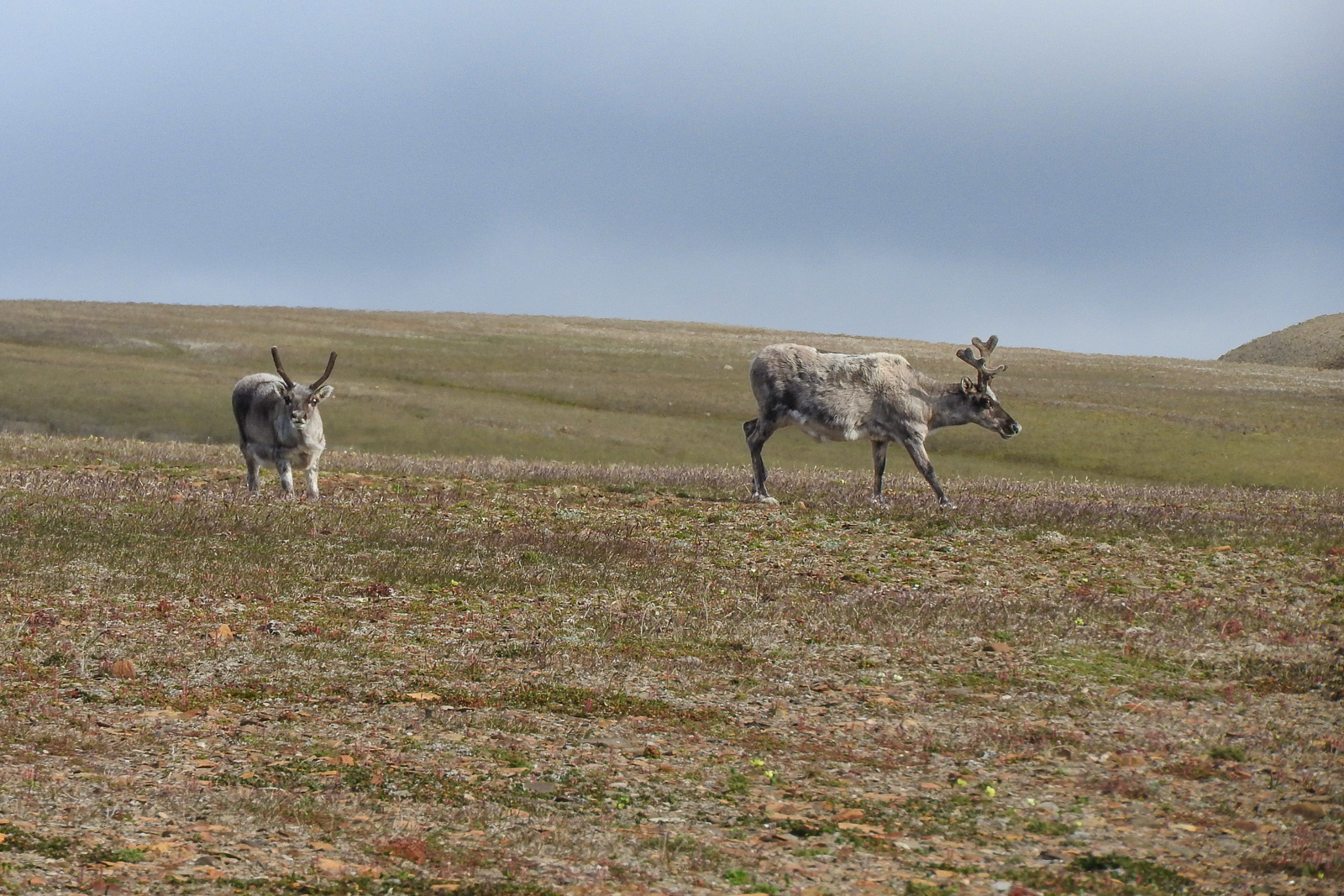
Despite Moose being common in Norway, I hadn’t seen one until 2010, when I stumbled across one on a family holiday in the mountains. It was standing on a quiet woodland path, and I’m not sure who was more surprised; it vanished before the rest of the family caught up. I’ve seen plenty more since. I’ve also seen large groups of Reindeer on the Hardangervidda, and in Svalbard I came across the smaller, stockier subspecies adapted to Arctic conditions.
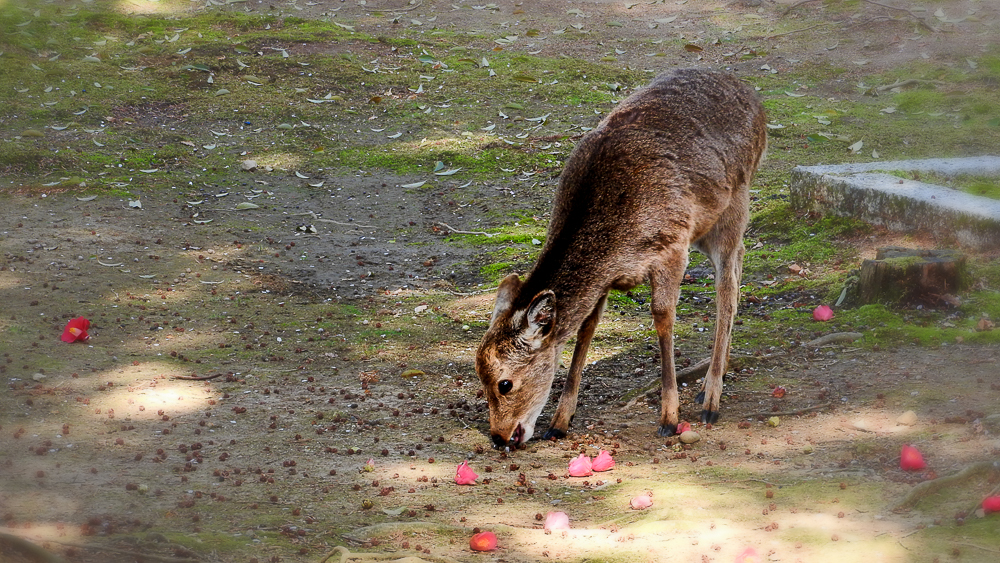
In Yellowstone, I added Mule Deer to my list, easily identified by their unusually large ears. These were quite a contrast to the Sika Deer I encountered in the temple gardens of Nara, Japan, or the Red, Roe, and Fallow deer I regularly see back home in the UK.
Expand to view list of species I have seen (11)
- Moose (Alces alces) — Yellowstone 2017, Norway
- Roe Deer (Capreolus capreolus) — Various (Common UK species)
- Wapiti / American Elk (Cervus canadensis) — Yellowstone 2017
- Red Deer (Cervus elaphus) — Various (cCommon UK species)
- Sika Deer (Cervus nippon) — Japan
- Fallow Deer (Dama dama) — Various (Common UK species)
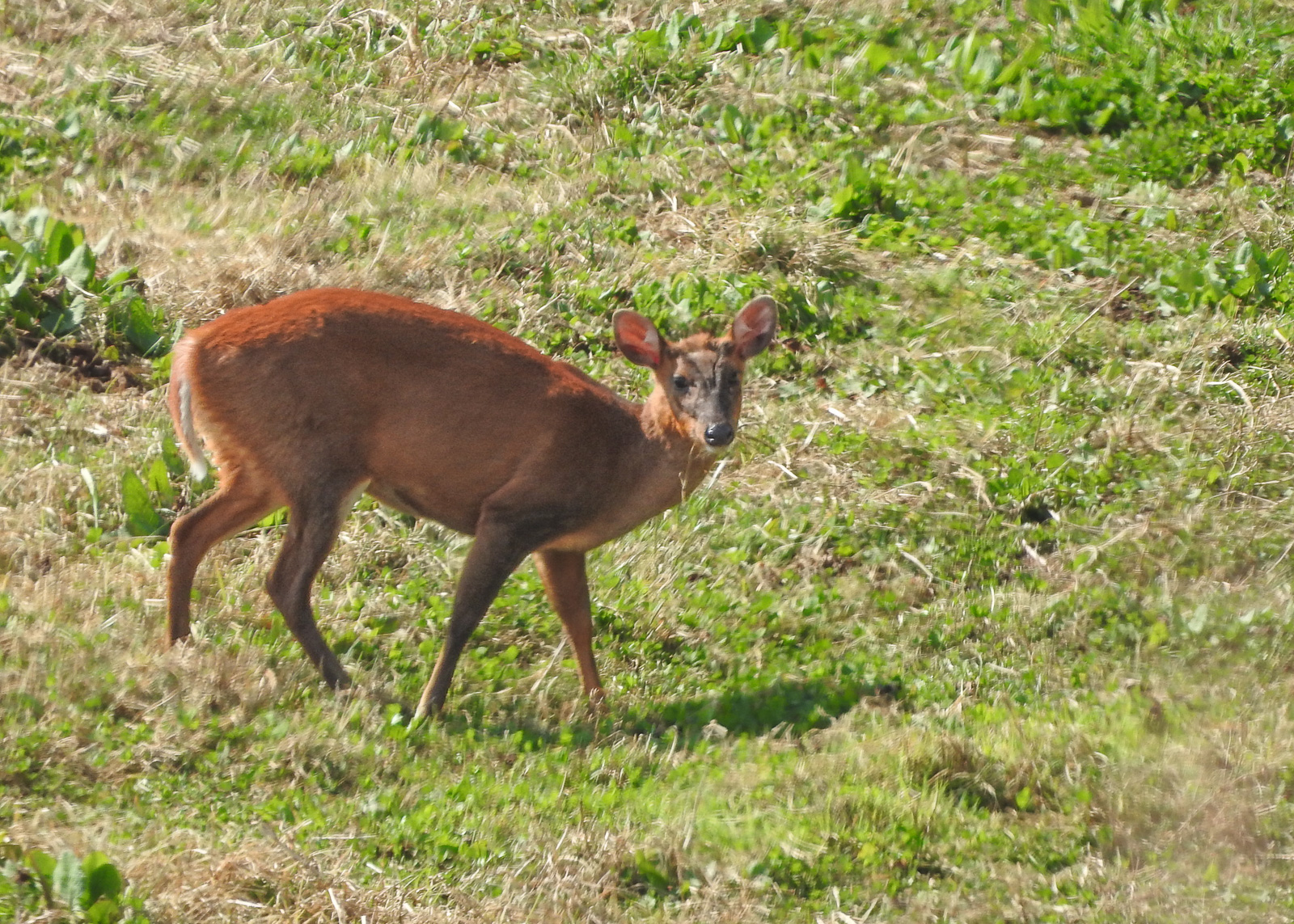
- Northern Red Muntjac (Muntiacus vaginalis) — Bhutan 2020
- Mule Deer (Odocoileus hemionus) — Yellowstone 2017
- White-tailed Deer (Odocoileus virginianus) — New Zealand 2023, Texas 2024
- Raindeer / Caribou (Rangifer tarandus) — Norway
- Svalbard Reindeer (Rangifer tarandus ssp. platyrhynchus) — Svalbard 2022





Other terrestrial families I’ve encountered
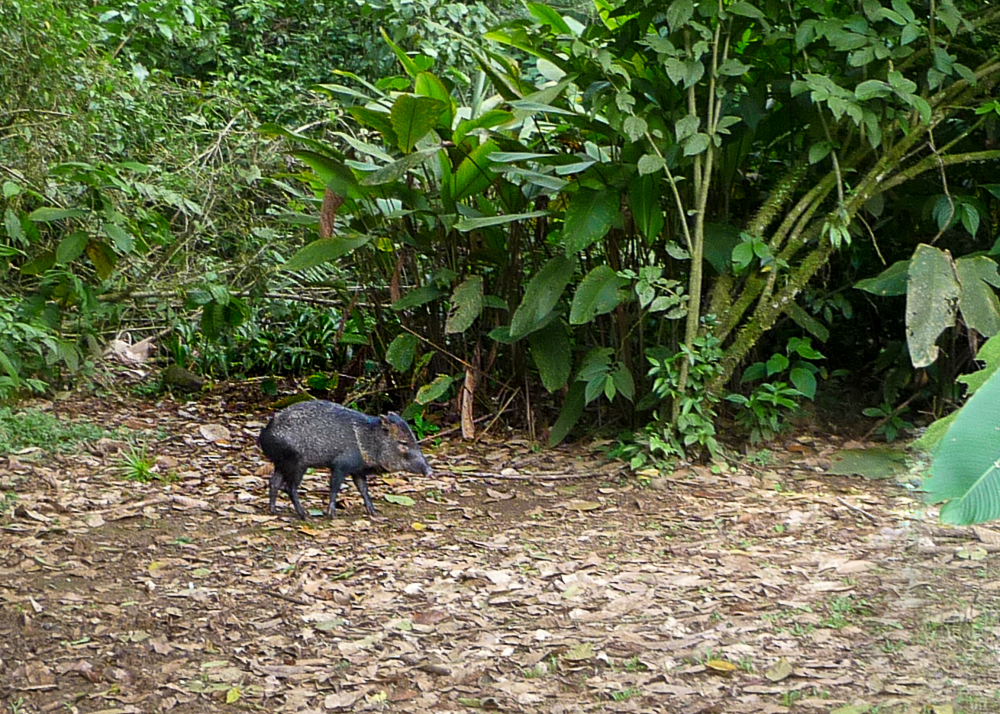
I’ve also come across a few other members of this order in different places. Wild Boar and Collared Peccary have appeared on walks and roadside stops, and in the American West I saw Pronghorn, the only living member of its family.
Expand to view list of species I have seen (3)
- Family Antilocapridae
- Pronghorn (Antilocapra americana) — Yellowstone 2017
- Family Suidae
- Wild Boar (Sus scrofa) — Bhutan 2020, Spain
- Family Tayassuidae
- Collared Peccary (Pecari tajacu) — Costa Rica 2015, Texas 2024

Cetaceans — Whales, Dolphins and Porpoises
I’ve been fortunate to see several species of whales and dolphins in different parts of the world.
Family Balaenopteridae — Minke, Fin, Humpback
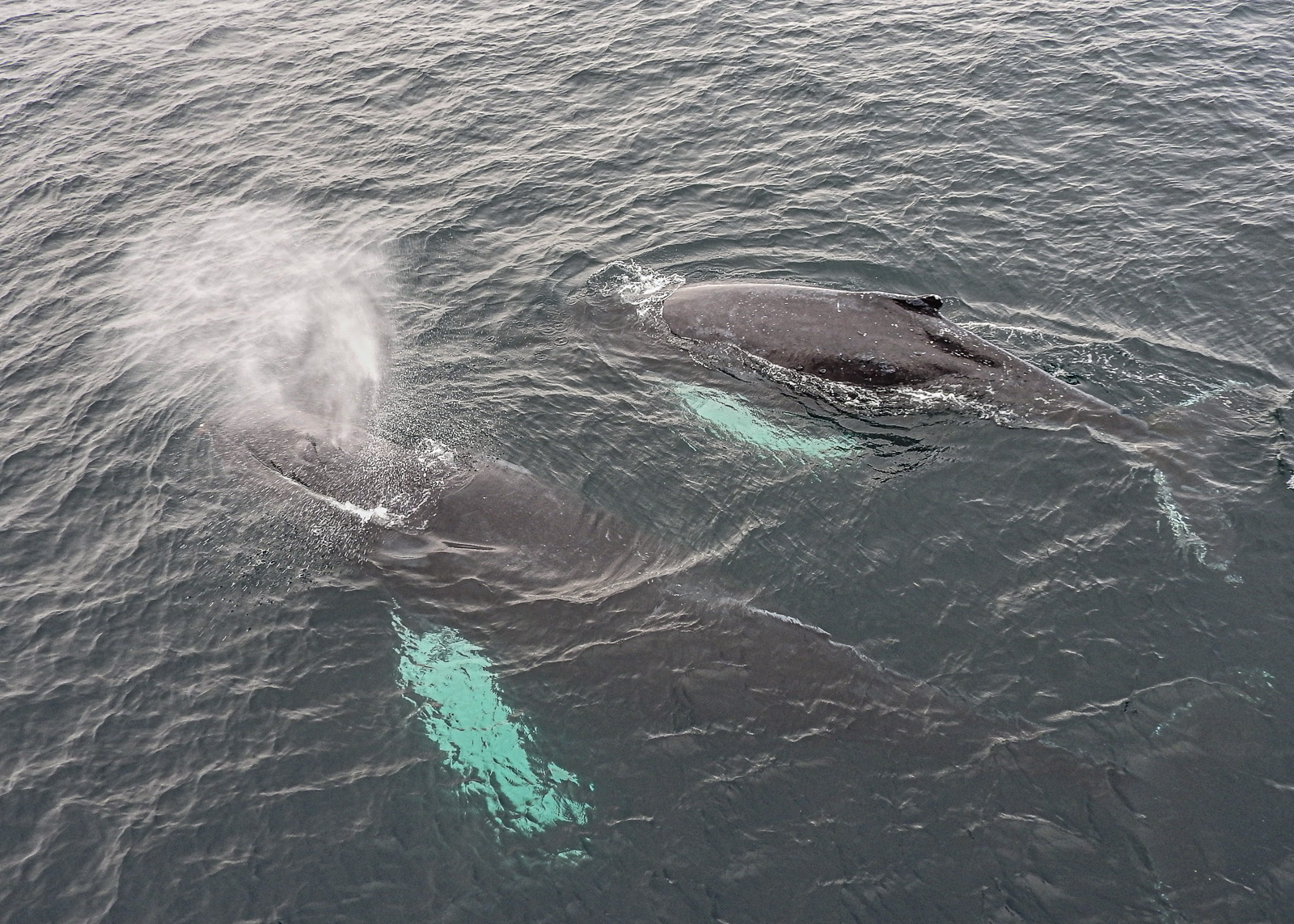
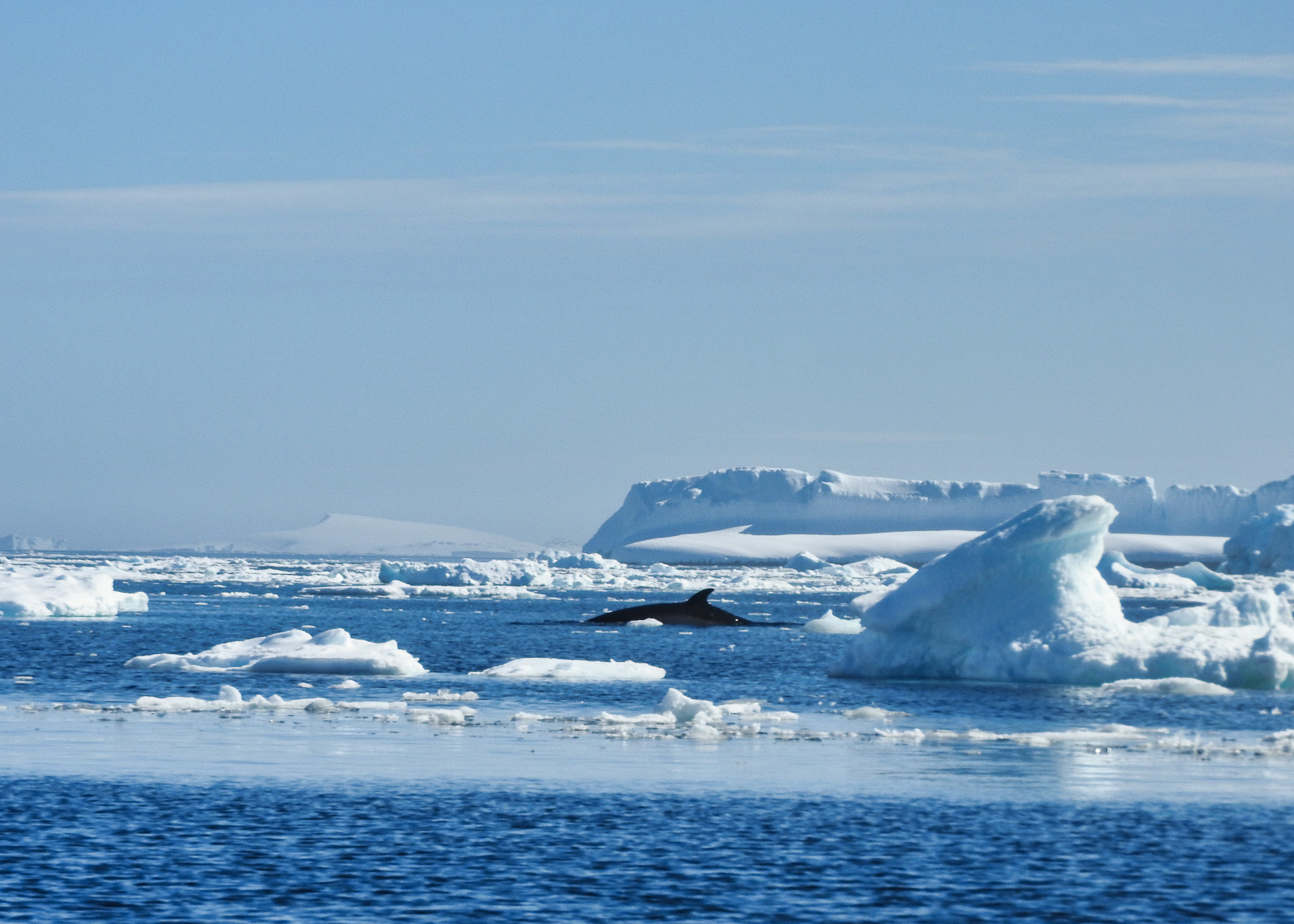
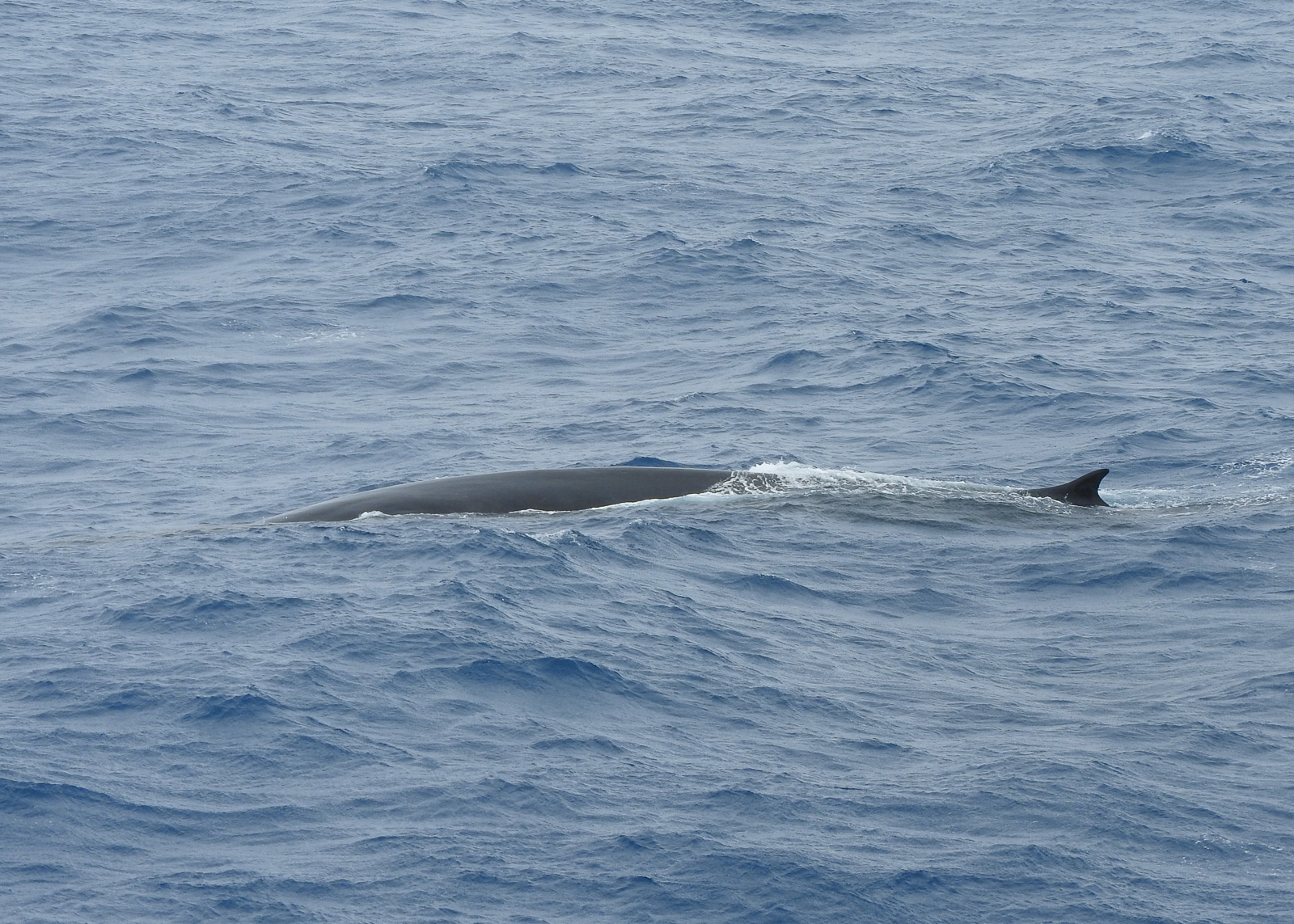
My first Humpback Whale was in Iceland, on a cold and wet boat trip that suddenly became unforgettable when two whales began surfacing on either side of the boat and swimming underneath us for nearly an hour. Since then I’ve seen Humpbacks again in Antarctica and around Svalbard, though never with views as close as that first encounter. In Antarctica I also saw Fin Whales in the distance, and had much better views of Minke Whales, including one that surfaced not to far from the ship.
Expand to view list of species I have seen (4)
- Humpback Whale (Megaptera novaeangliae) — Iceland 2021, Antarctica 2021, Spitsbergen 2022
- Common Minke Whale (Balaenoptera acutorostrata) — Iceland 2021, Spitsbergen 2022
- Antarctic Minke Whale (Balaenoptera bonaerensis) — Antarctica 2021
- Fin Whale (Balaenoptera physalus) — Antarctica 2021
Family Delphinidae — dolphins, pilot whales, orca
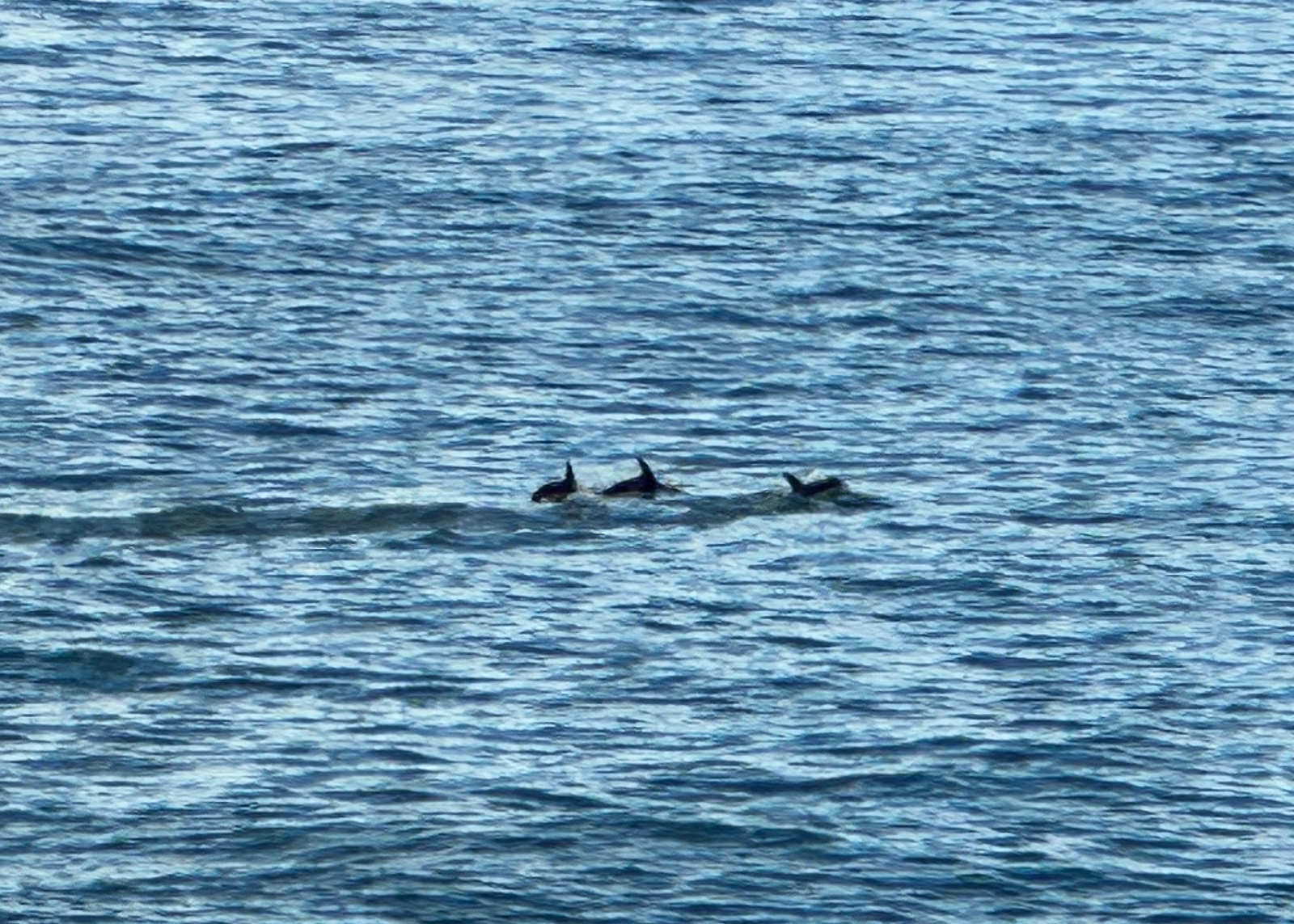
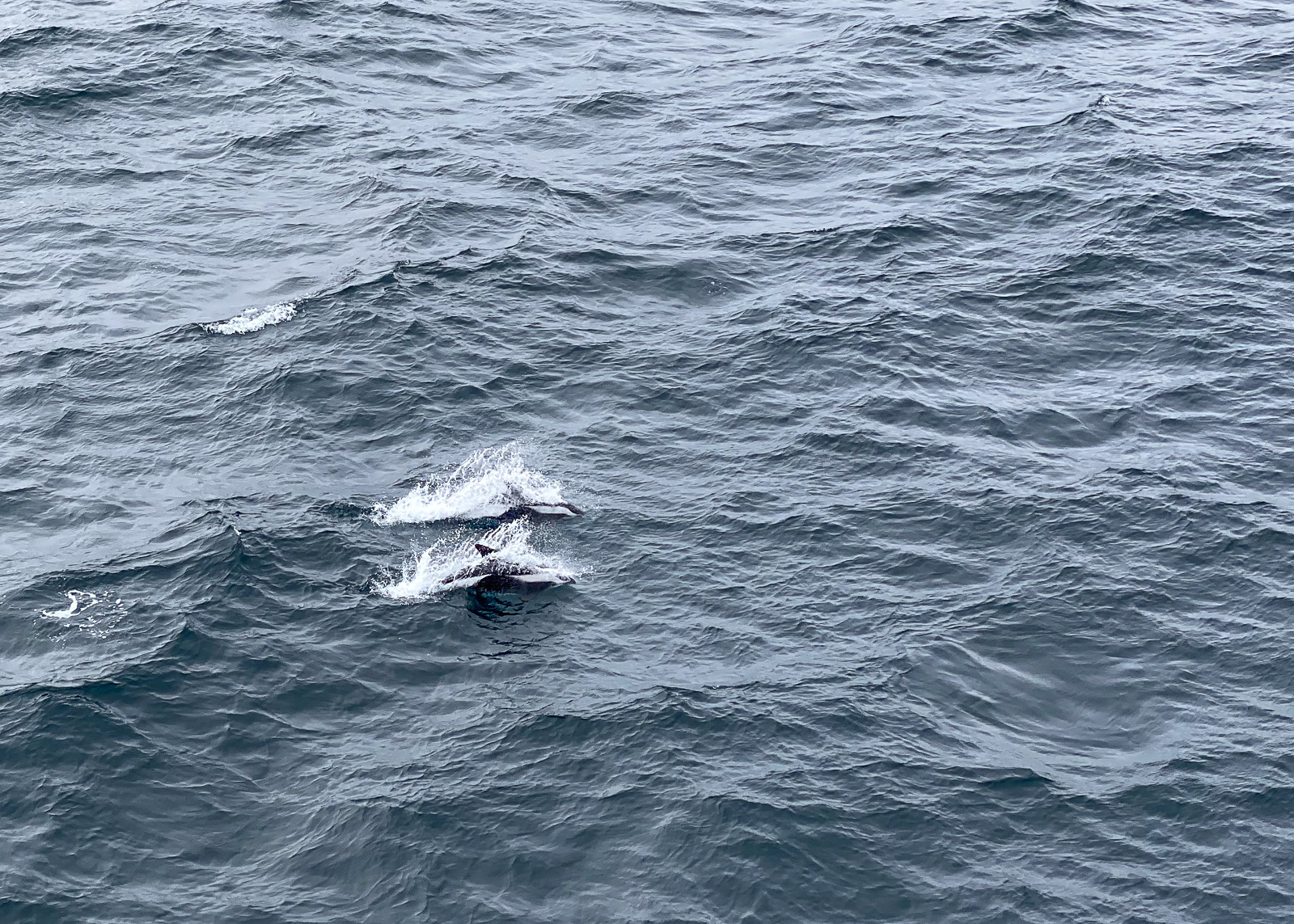
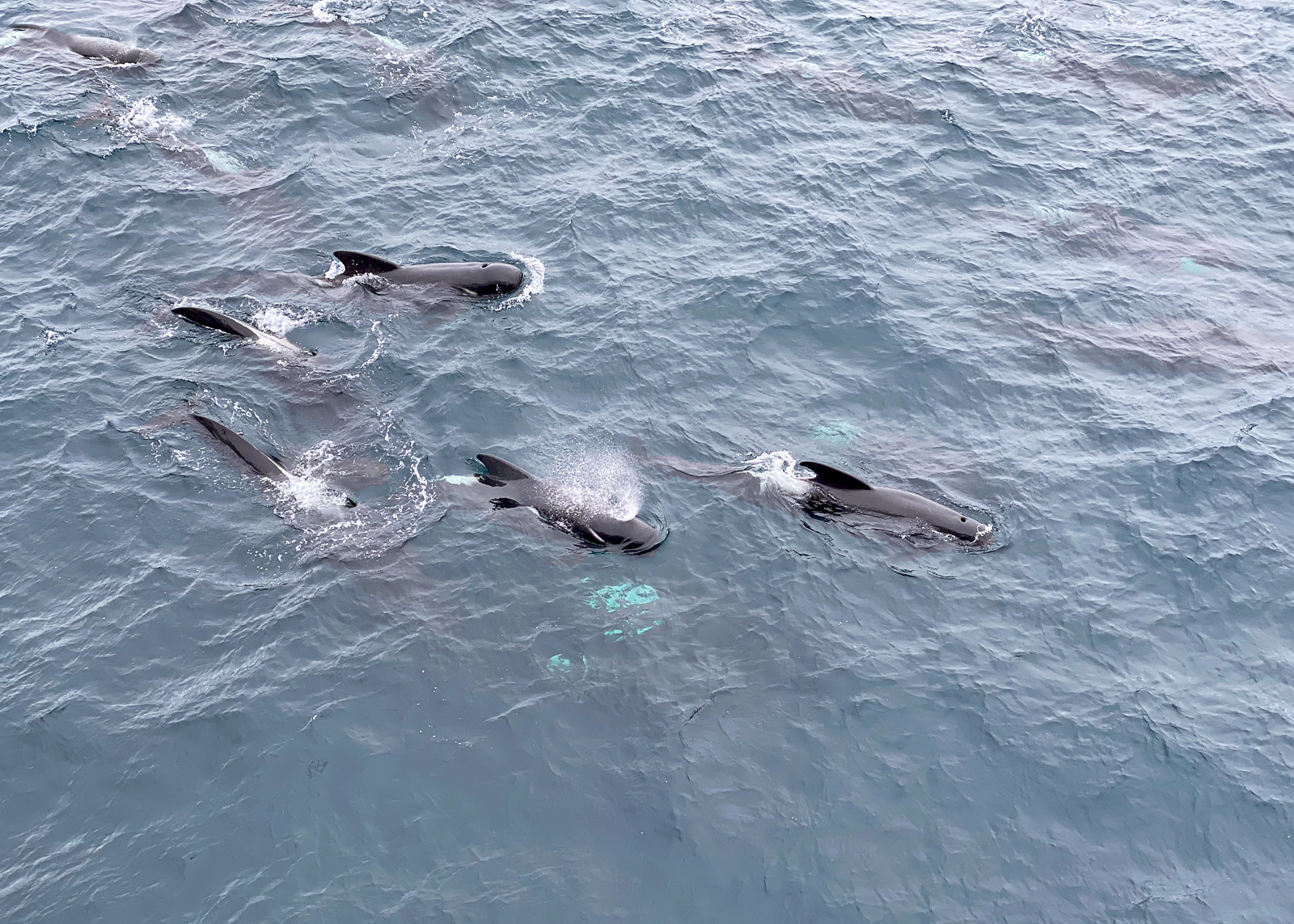
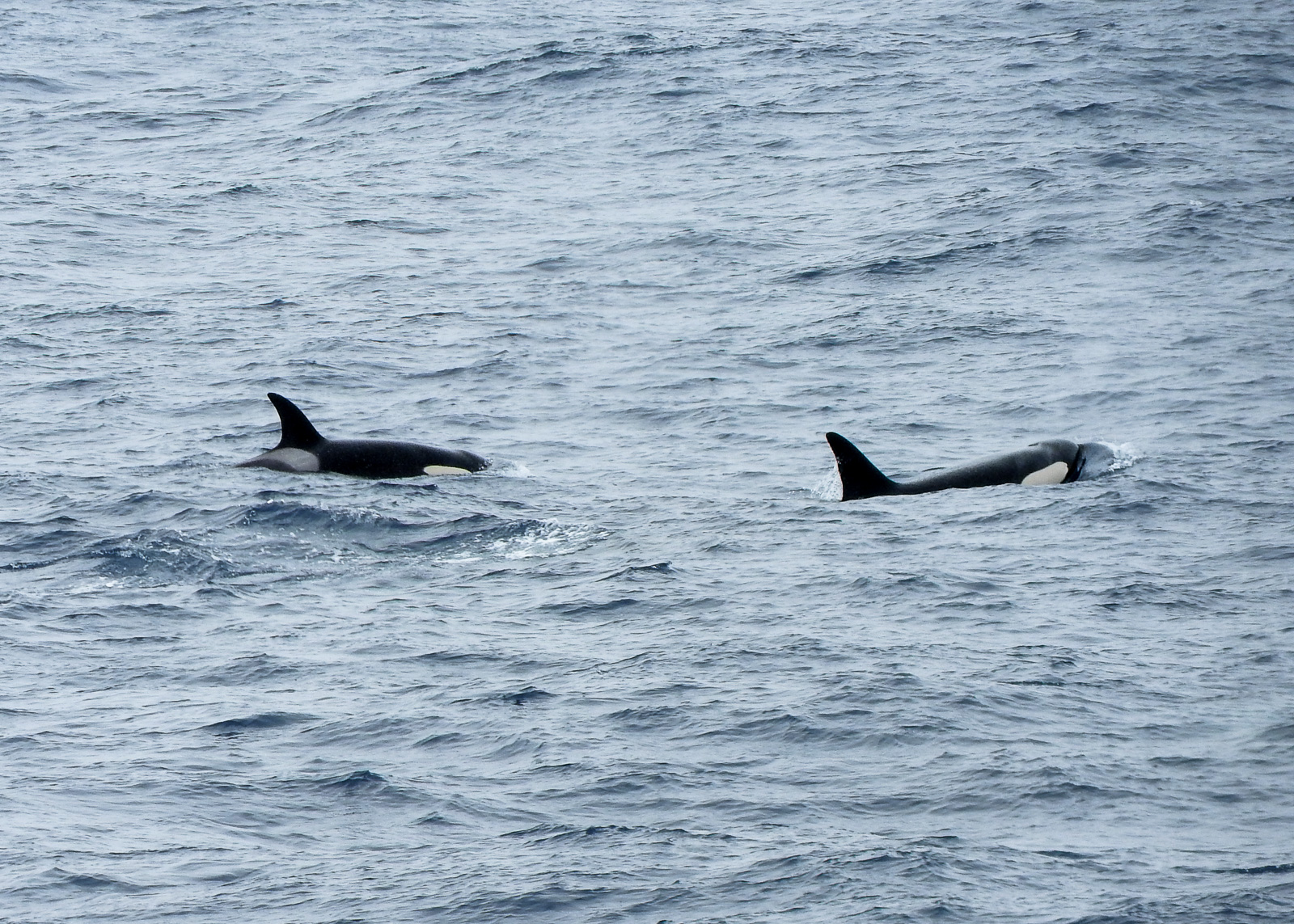
I’ve had some memorable encounters with dolphins and their relatives. Crossing Drake Passage, the ship followed a pod of Orcas for a while and we came quite close to them, with Fin Whales also visible in the distance. Later in the voyage we had excellent views of Hourglass Dolphins and a pod of Pilot Whales swimming around the ship. In New Zealand’s Marlborough Sound I saw several pods of Hector’s Dolphins, the world’s smallest and rarest dolphin, which came in close to investigate the boat. I’ve also seen Bottlenose Dolphins from the shore at Chanonry Point in the Moray Firth and once from the cliffs at Tynemouth.
Expand to view list of species I have seen (9)
- Hector’s Dolphin (Cephalorhynchus hectori) — New Zealand 2023
- Long-finned Pilot Whale (Globicephala melas) — Antarctica 2021
- Risso’s Dolphin (Grampus griseus) — Speyside & Orkney
- Peale’s Dolphin (Lagenorhynchus australis) — Antarctica 2021
- Hourglass Dolphin (Lagenorhynchus cruciger) — Antarctica 2021
- Dusky Dolphin (Lagenorhynchus obscurus) — New Zealand 2023
- Orca / Killer Whale (Orcinus orca) — Antarctica 2021
- Tucuxi (Sotalia fluviatilis) — Amazon 2024
- Common Bottlenose Dolphin (Tursiops truncatus) — Texas 2024, UK
Other Cetacean Families
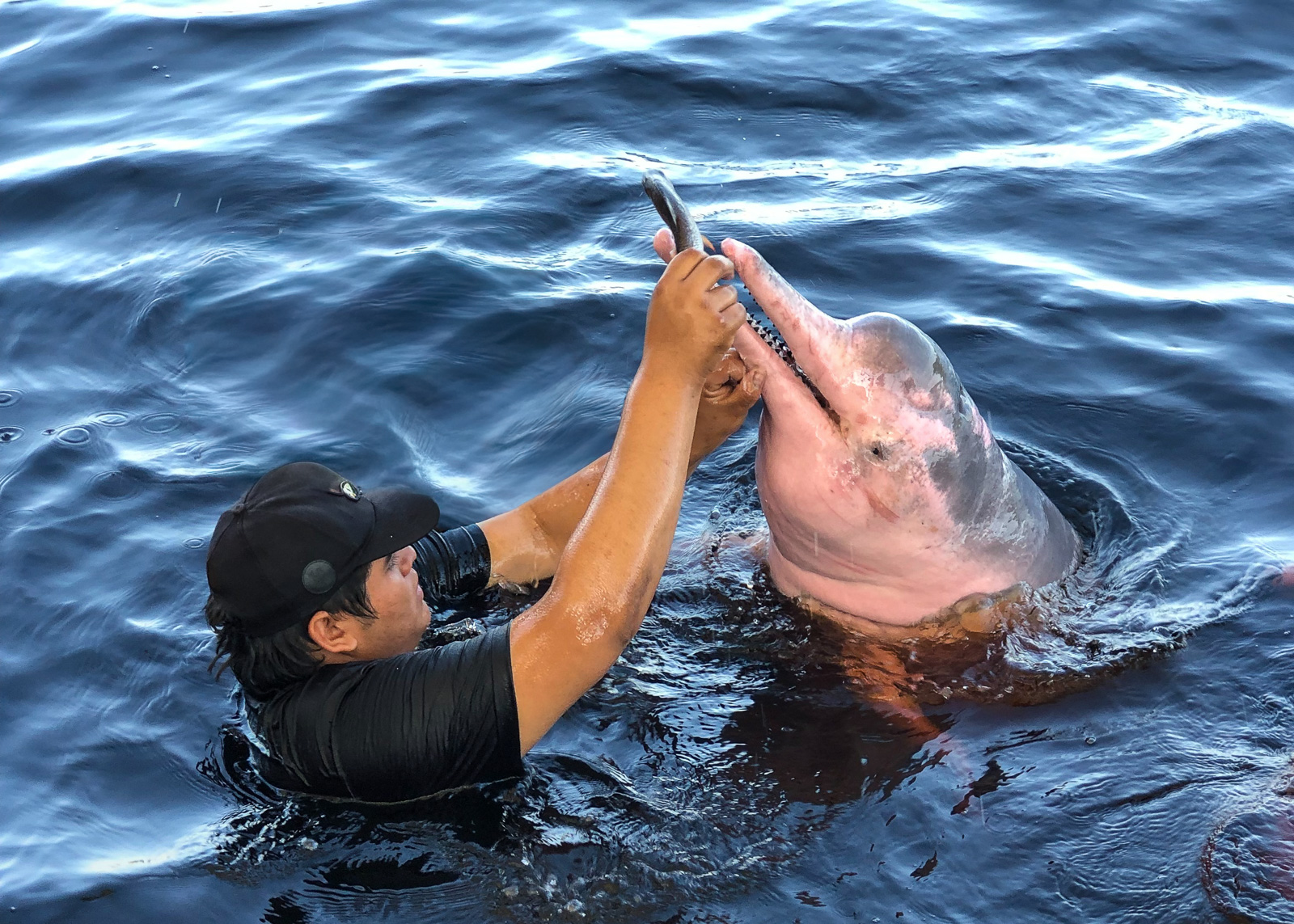
I’ve also seen a few species from other cetacean families. In the Amazon, Pink River Dolphins were a highlight, especially at a spot where habituated individuals came close to take fish from the locals, and we saw more of them, along with Tucuxi, during early morning birding from the boat. In Antarctic waters I had a brief, distant view of two Southern Right Whales as the ship was already passing them, and on the return from a whale‑watching trip in Iceland I saw Harbour Porpoises in the distance.
Amazon River Dolphin (Inia geoffrensis) taking fish from a local.
Expand to view lits of species I have seen (3)
- Family Balaenidae
- Southern Right Whale (Eubalaena australis) — Antarctica 2021
- Family Iniidae
- Amazon River Dolphin (Pink) (Inia geoffrensis ) — Amazon 2024
- Family Phocoenidae
- Harbour Porpoise (Phocoena phocoena) — Iceland 2021