Class Reptilia: Order Squamata — Lizards and Snakes
Squamates are the most diverse reptiles, including lizards, snakes, and amphisbaenians. With more than 11,000 species worldwide they occupy habitats ranging from deserts and forests to grasslands, wetlands, and even the open ocean. Their diversity is reflected in their anatomy, behaviour, and ecological roles, from tiny geckos to large constrictors and venomous vipers.
Familes of Lizards and Snakes
Squamates are divided into two major evolutionary branches. Lizards belong to the suborder Sauria, an older and more diverse group that includes geckos, iguanas, skinks, tegus, monitors, and the worm lizards. Snakes form the suborder Serpentes, which evolved from lizard‑like ancestors but developed a highly specialised, elongated body plan and the loss of limbs. These two lineages share a distant common ancestor but have followed different evolutionary paths for more than 150 million years.
Suborder Sauria — Lizards
Jump to gallery: Iguanians | Geckos | Other Lizards
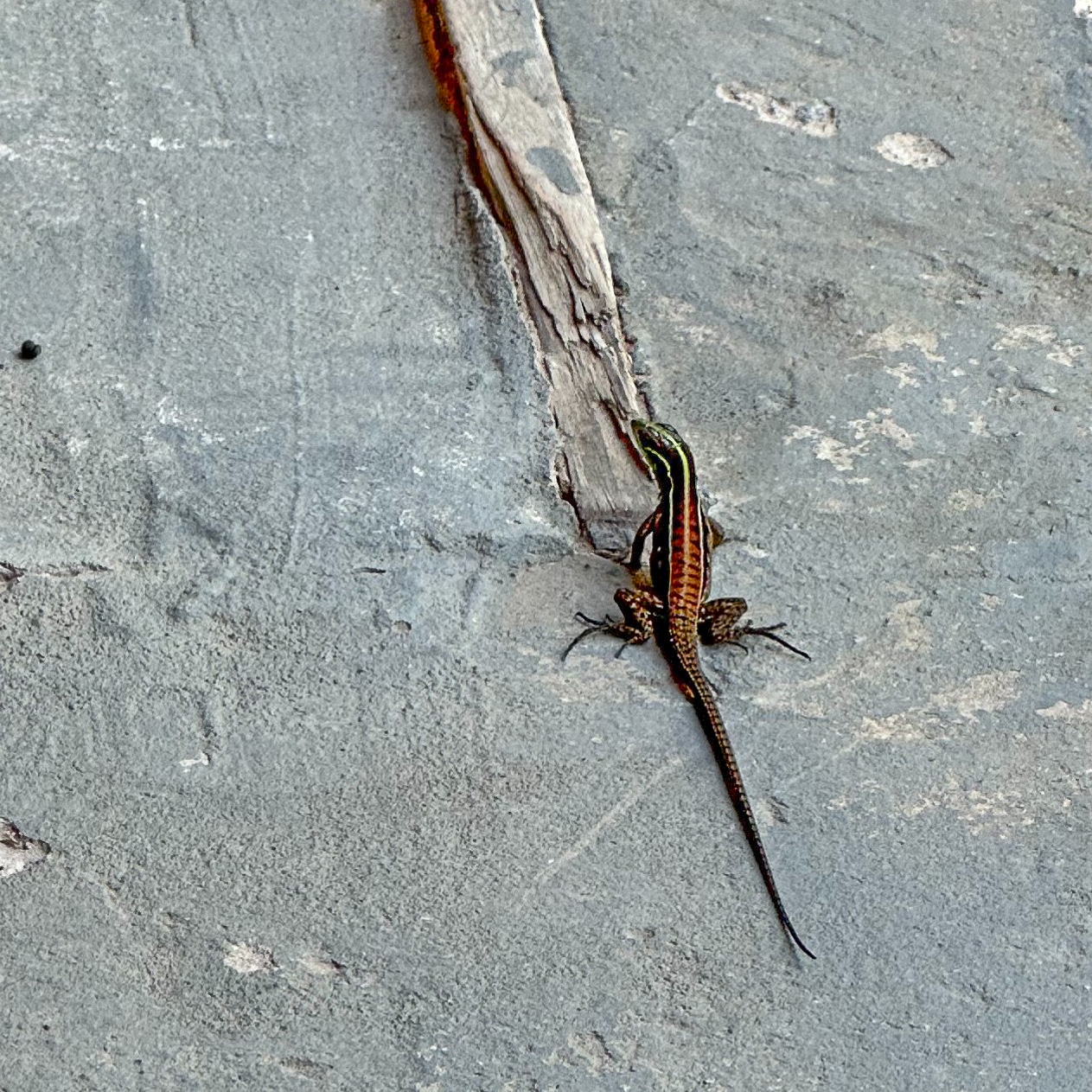
Lizards make up the larger of the two squamate suborders and include a wide range of forms, from tiny geckos to large iguanas and monitor lizards. Most have well‑developed limbs, movable eyelids, and external ear openings, though several families include legless species. Their diversity reflects the many habitats they occupy across the world.
My Observations
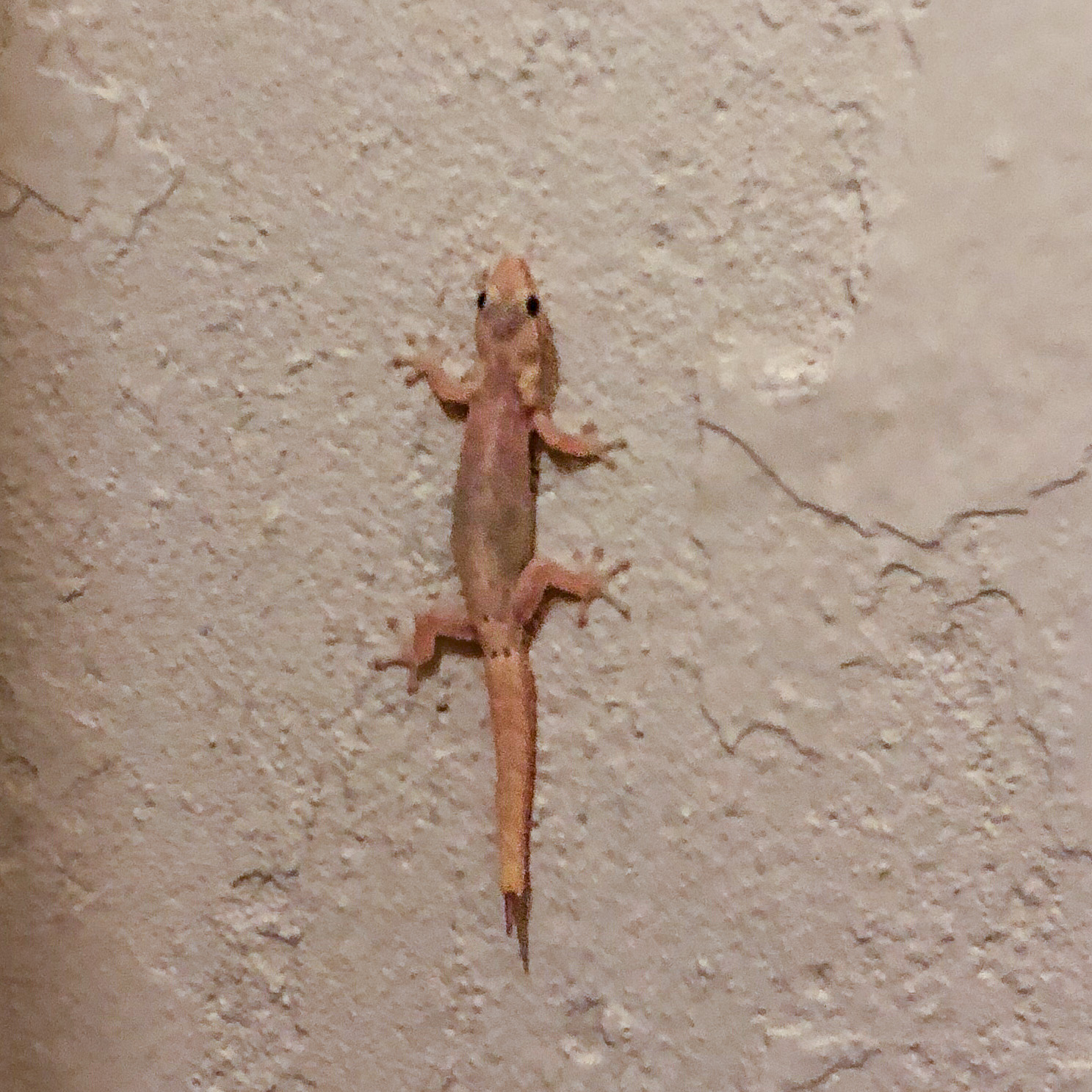
I have seen a wide variety of lizards during my travels, particularly in the Americas and parts of Europe. My first memorable encounter was a huge Asian Water Monitor on a small island in Malaysia in 1991. In Costa Rica we saw several species, including numerous Green Iguanas around a café stop called “Las Iguanas”, where the lizards are encouraged to gather and visitors can observe them at close range. In Trinidad I photographed a Mourning Gecko in a public convenience at a beach facility where we had gone to watch nesting turtles; the observation was later included in a 2020 note in Herpetology Notes which referenced my iNaturalist record.
During my travels I have also encountered anoles, basilisks, iguanas and whiptails across the Caribbean, Central America, Texas and the Amazon, while in Europe species such as wall lizards and green lizards are common in warmer regions. Closer to home, Common Lizards are a familiar sight on my local common.
Families and Species I have seen
Family Anguidae
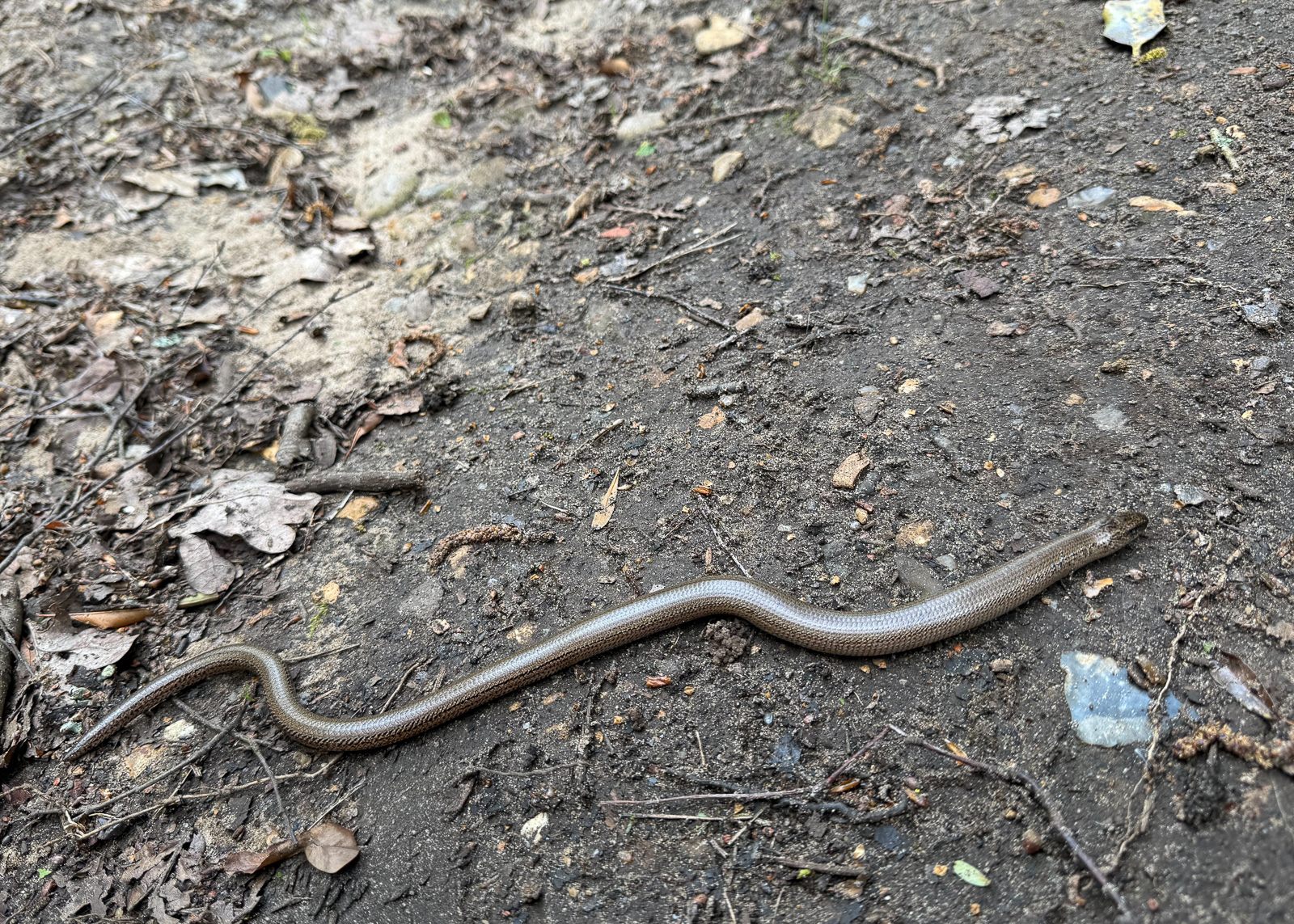
- Common Slowworm (Anguis fragilis) — Slovenia 2024
- Slender Glass Lizard (Ophisaurus attenuatus) — Texas 2024
Family Corytophanidae
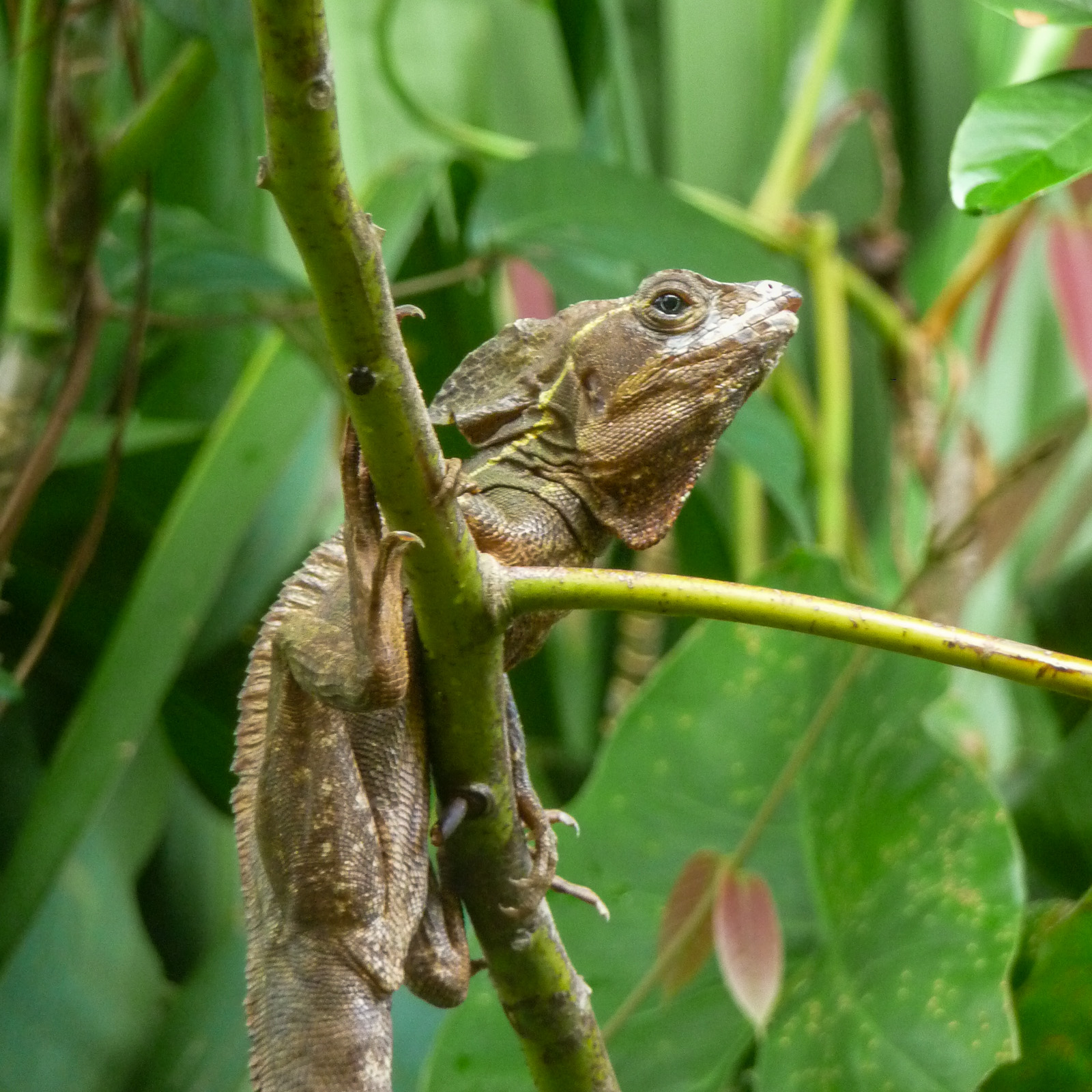
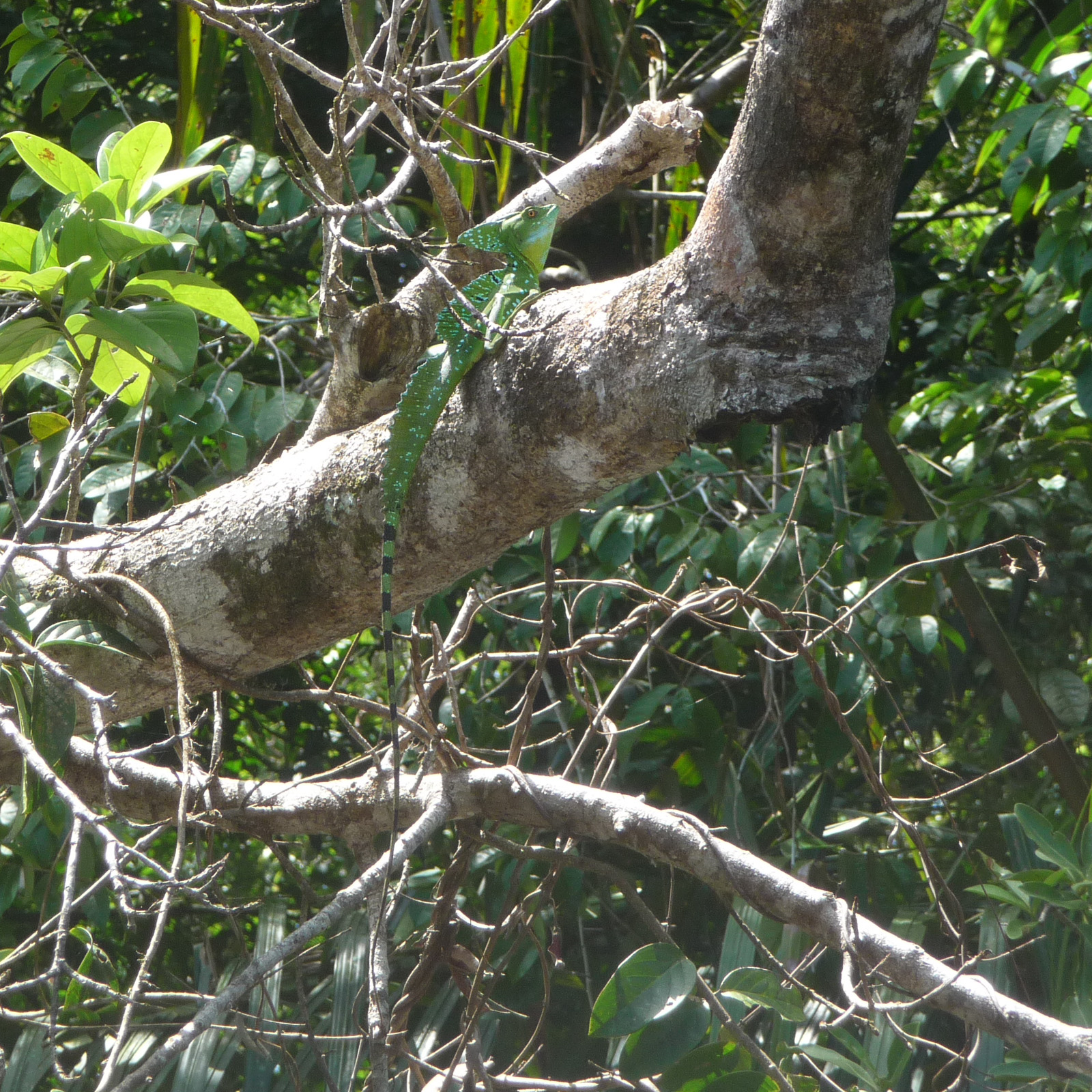
- Green Basilisk (Basiliscus plumifrons) — Costa Rica 2015
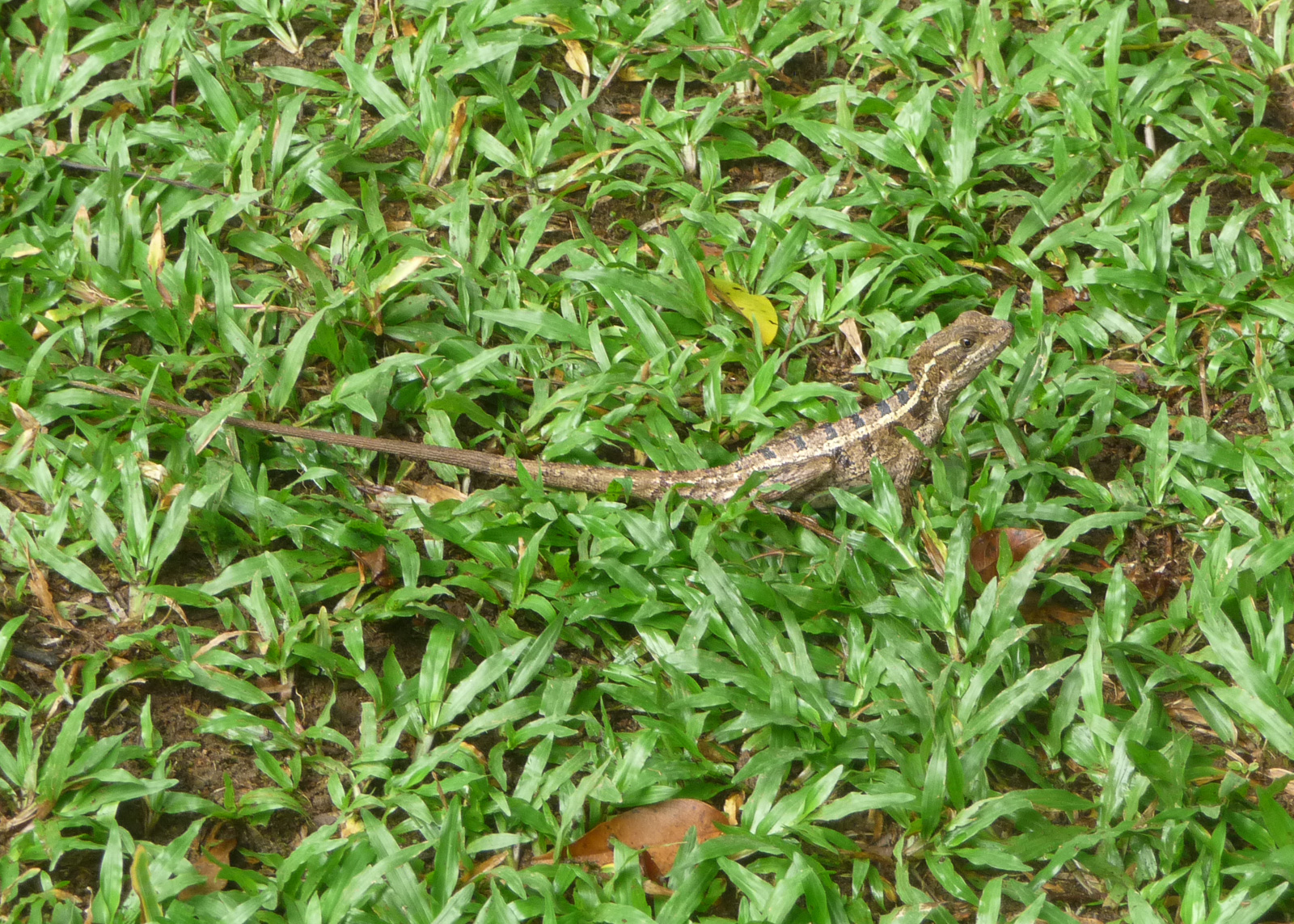
- Brown (Striped) Basilisk (Basiliscus vittatus) — Costa Rica 2015
Family Dactyloidae
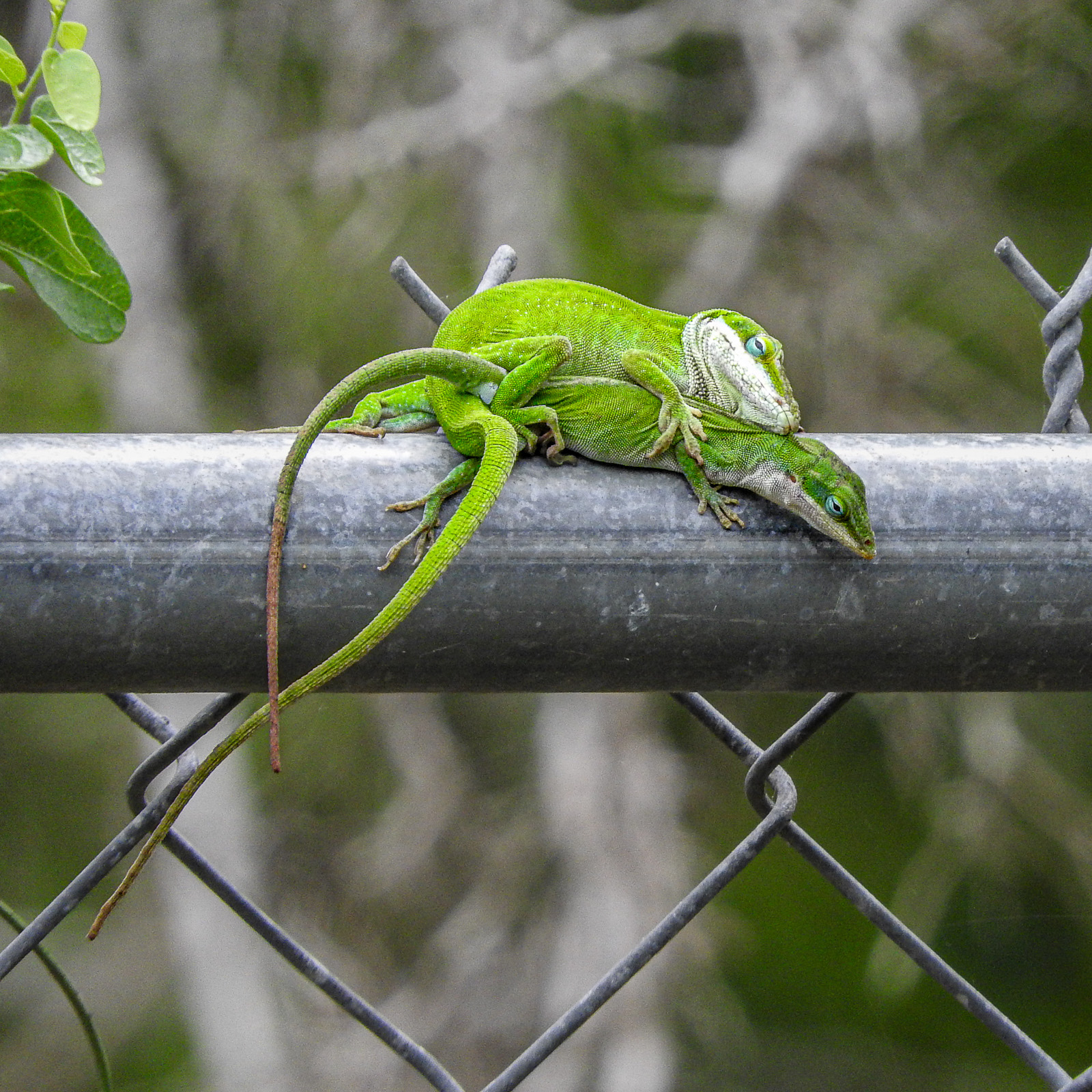
- Green Anole (Anolis carolinensis) — Texas 2024
- Grand Cayman Anole / Blue-throated (Anolis conspersus) — Cayman
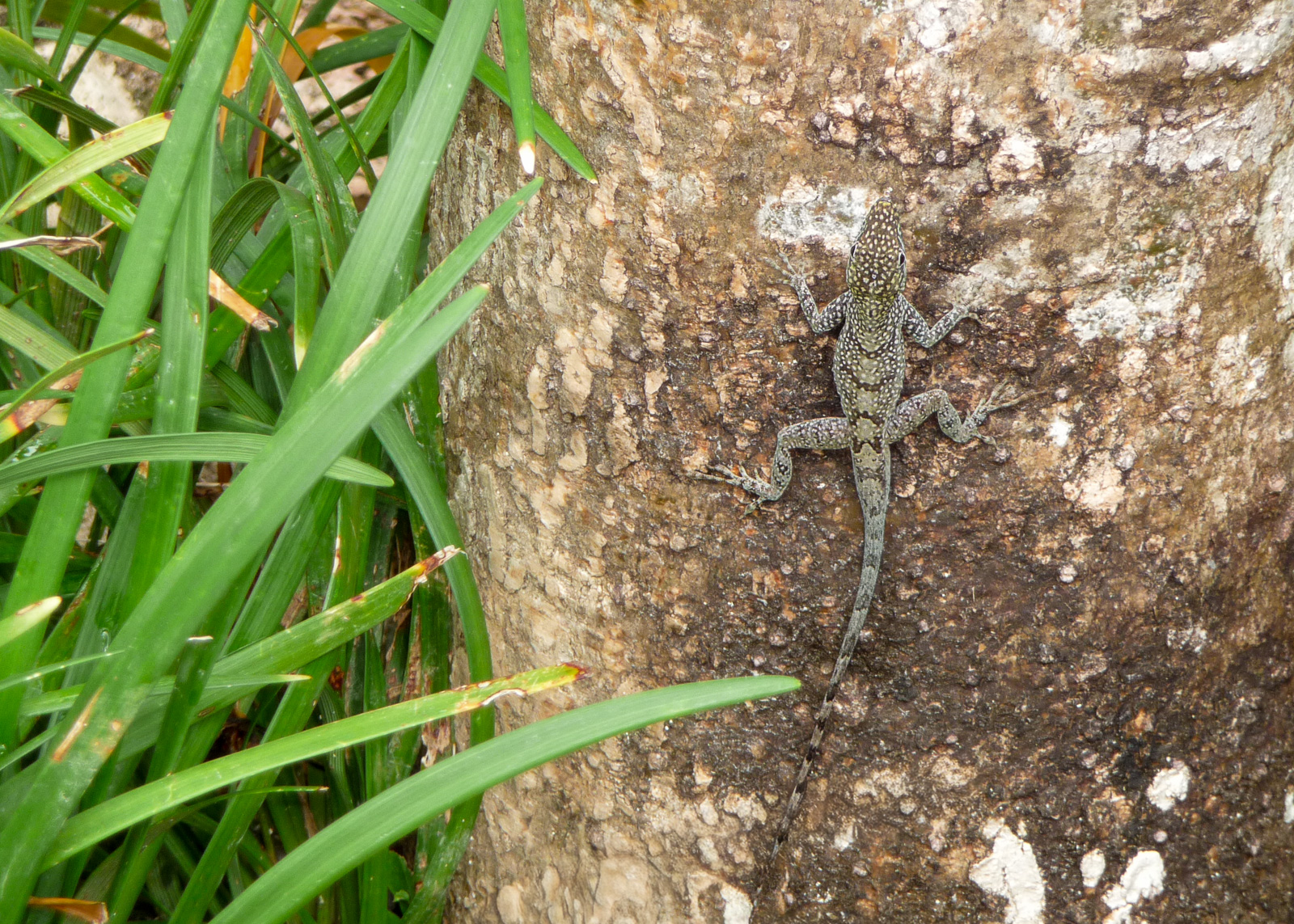
- Slender Anole / Border Anole (Anolis limifrons) — Costa Rica 2015
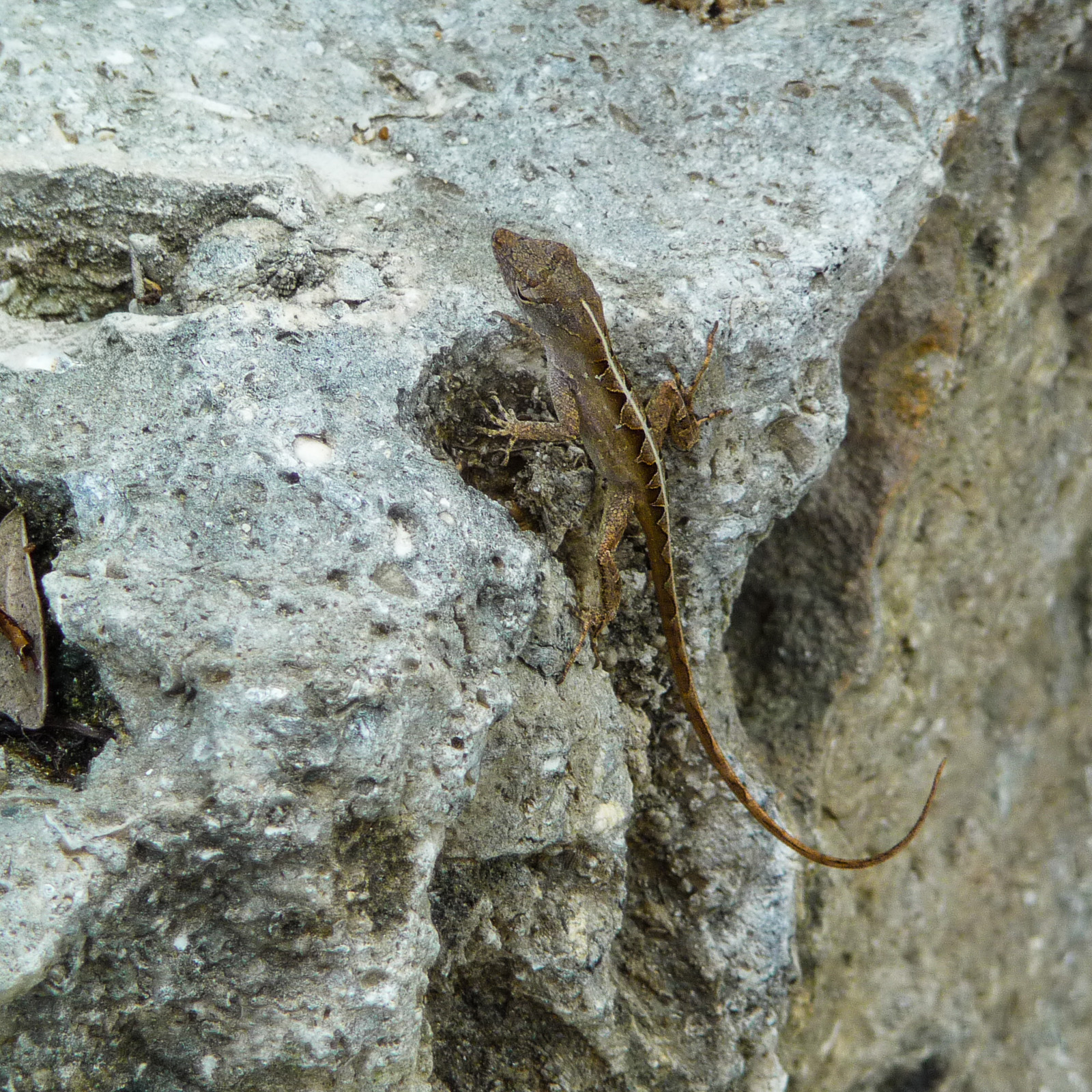
- Brown Anole (Anolis sagrei) — Cayman, Texas 2024
Family Gekkonidae
- Common House Gecko (Hemidactylus frenatus) — Costa Rica 2015
- Tropical House Gecko (Hemidactylus mabouia) — Amazon 2024
- Mourning Gecko (Lepidodactylus lugubris) — Trinidad & Tobago 2019
Family Gymnophthalmidae
- Diving Lizard (Uranoscodon superciliosus) — Amazon 2024
Family Iguanidae
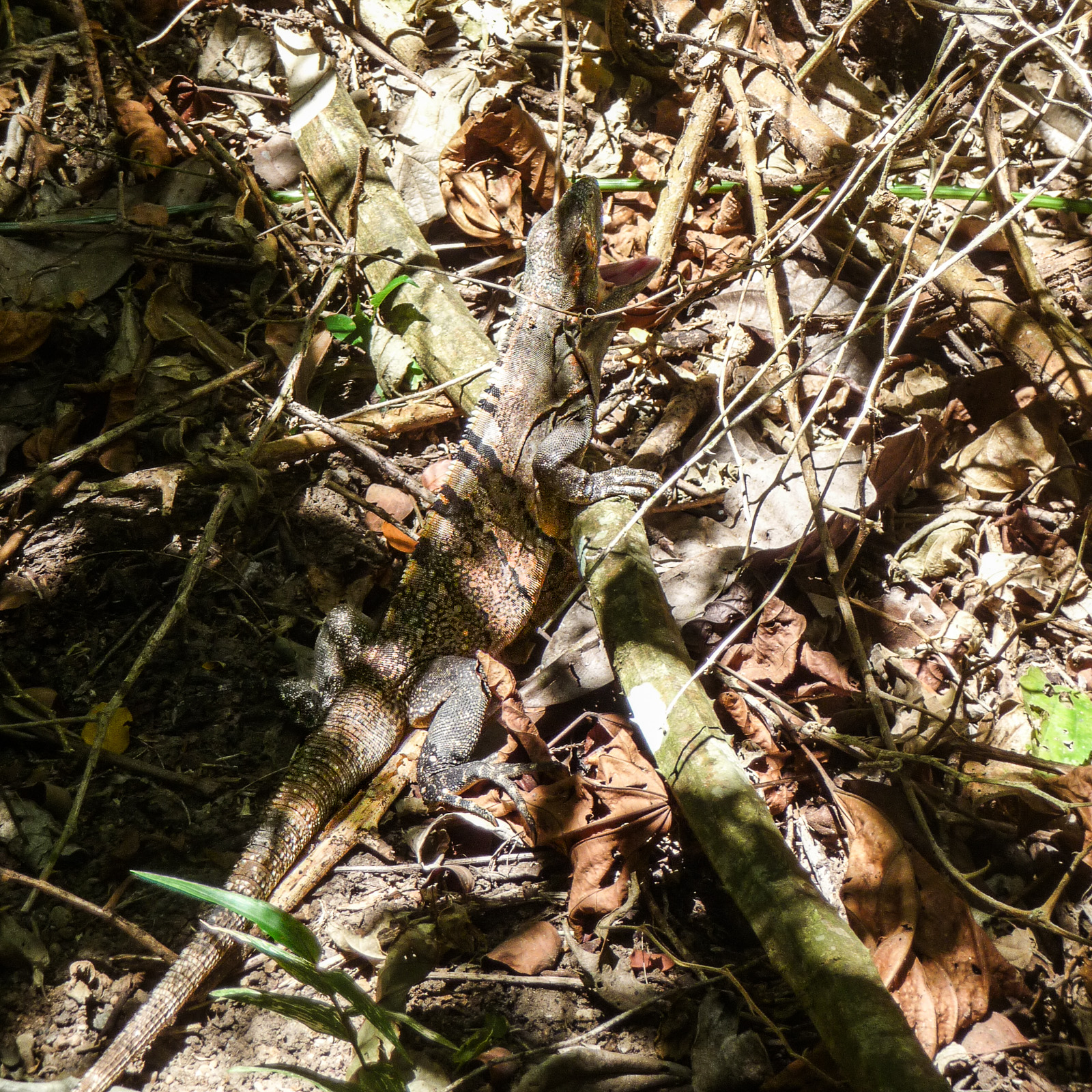
- Black Spiny-tailed Iguana (Ctenosaura similis) — Costa Rica 2015
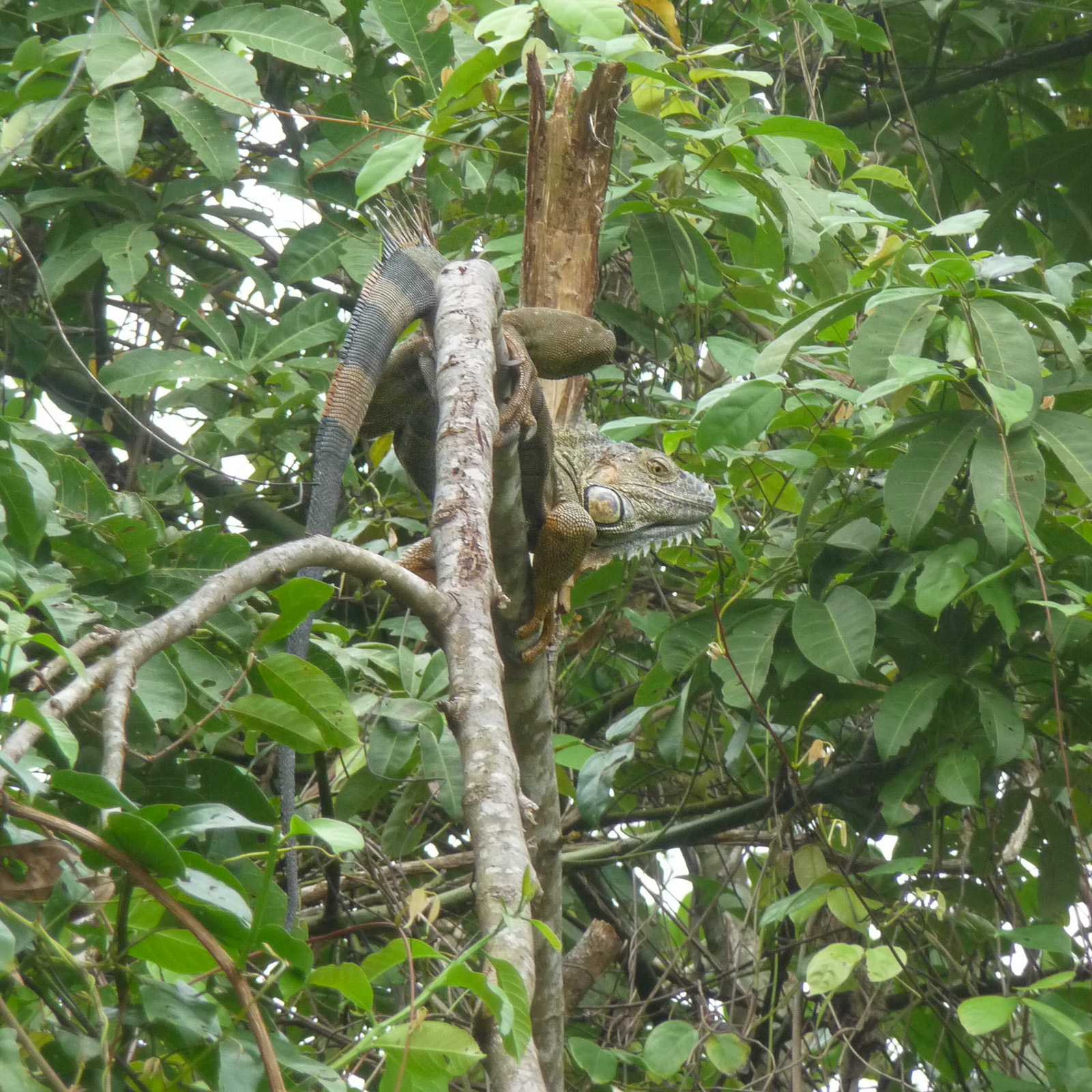
- Green Iguana (Iguana iguana) — Amazon 2024, Costa Rica 2015
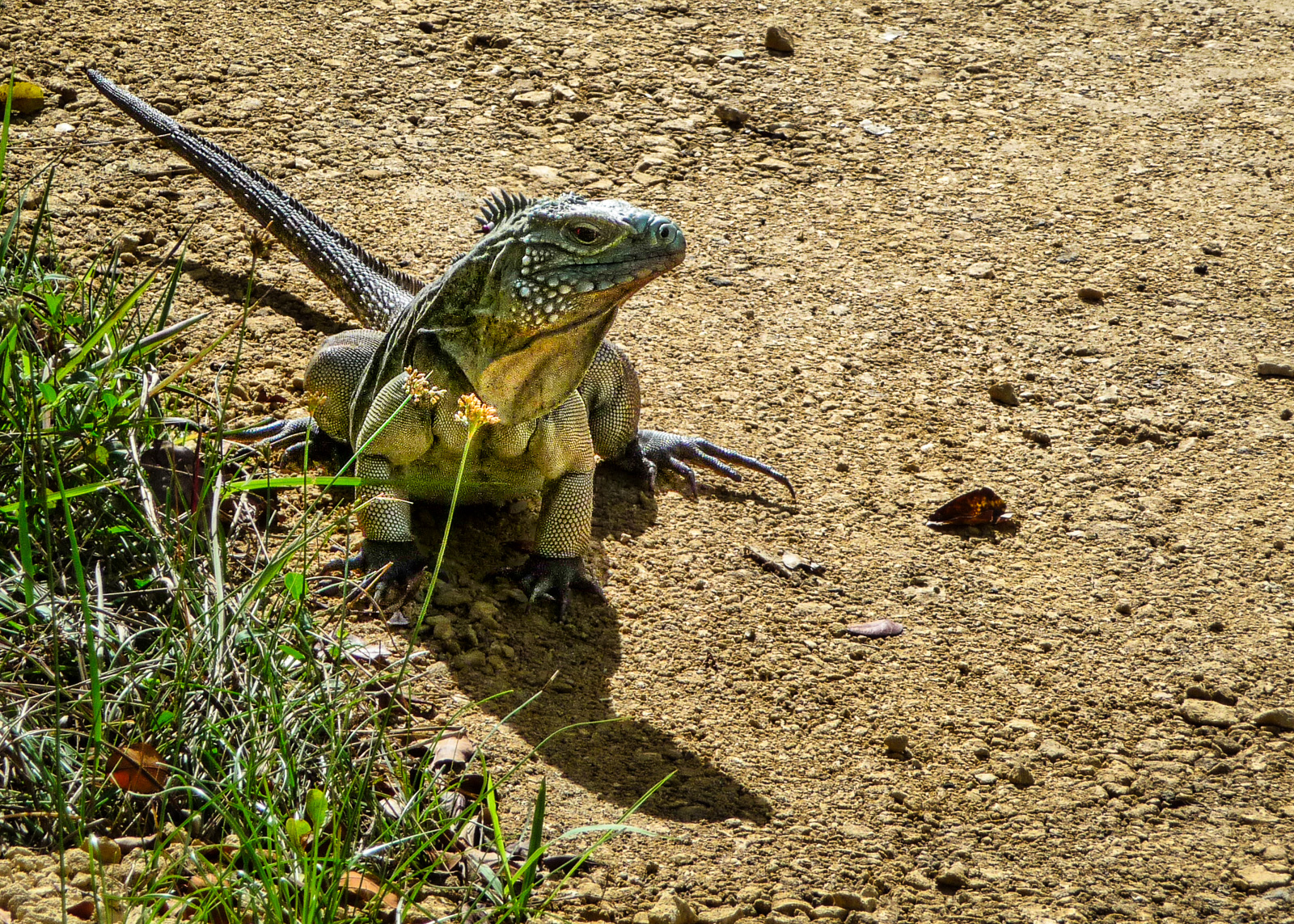
- Grand Cayman Blue Iguana (Cyclura lewisi) — Grand Cayman 2009
Family Lacertidae
- Sand Lizard (Lacerta agilis) — Various, UK Species
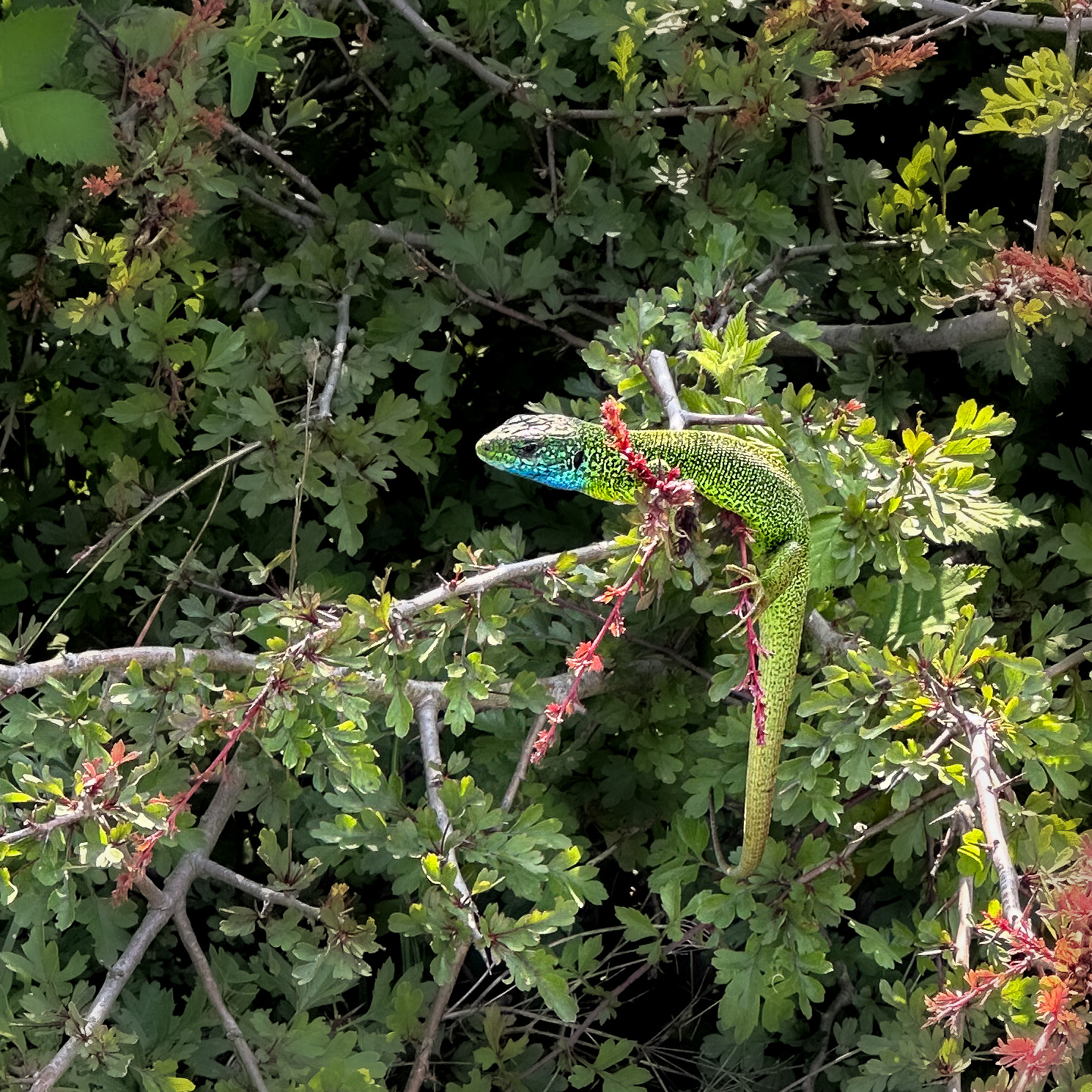
- European Green Lizard (Lacerta viridis) — Slovenia 2024
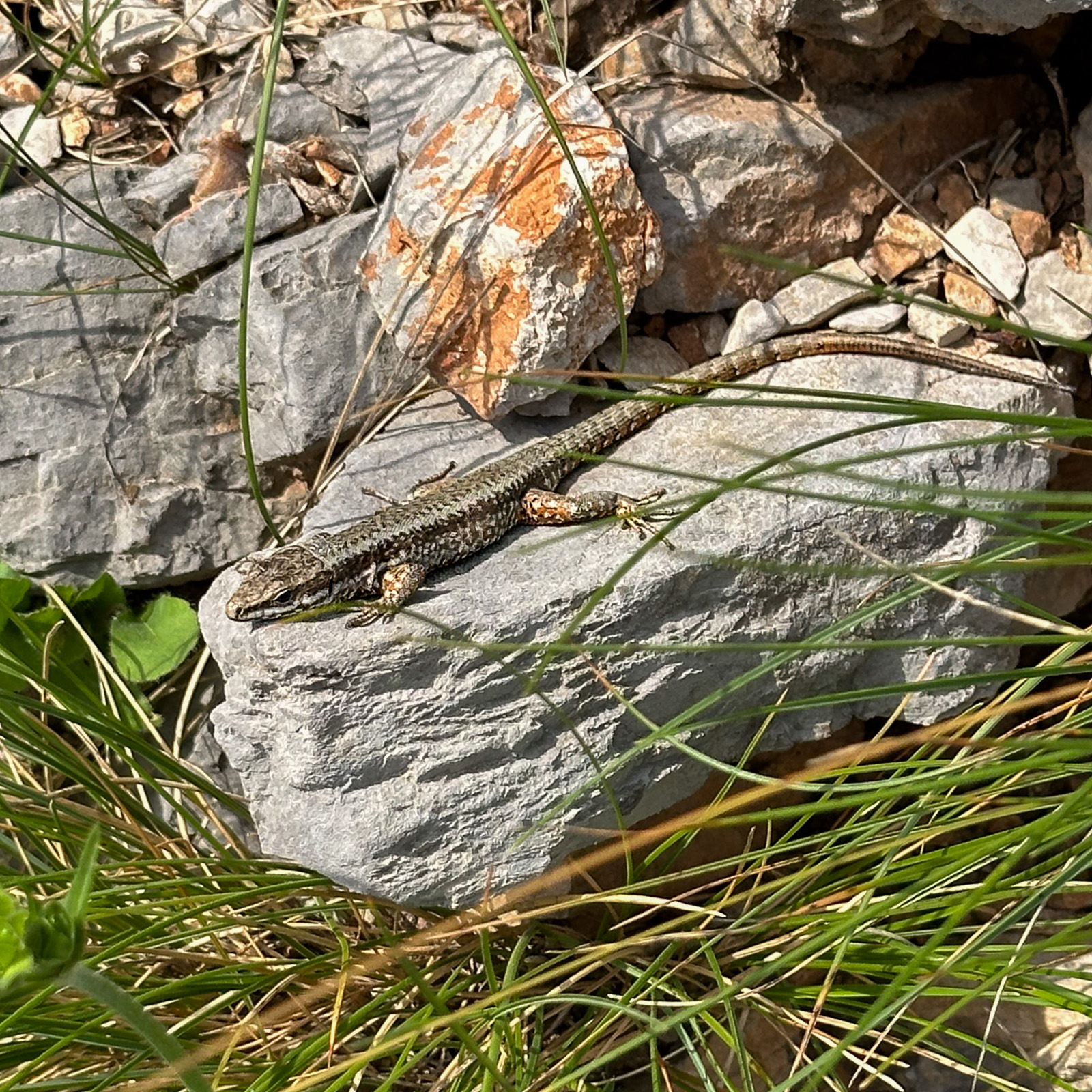
- Common Wall Lizard (Podarcis muralis) — Slovenia 2024
- Italian Wall Lizard (Podarcis siculus) — Slovenia 2024
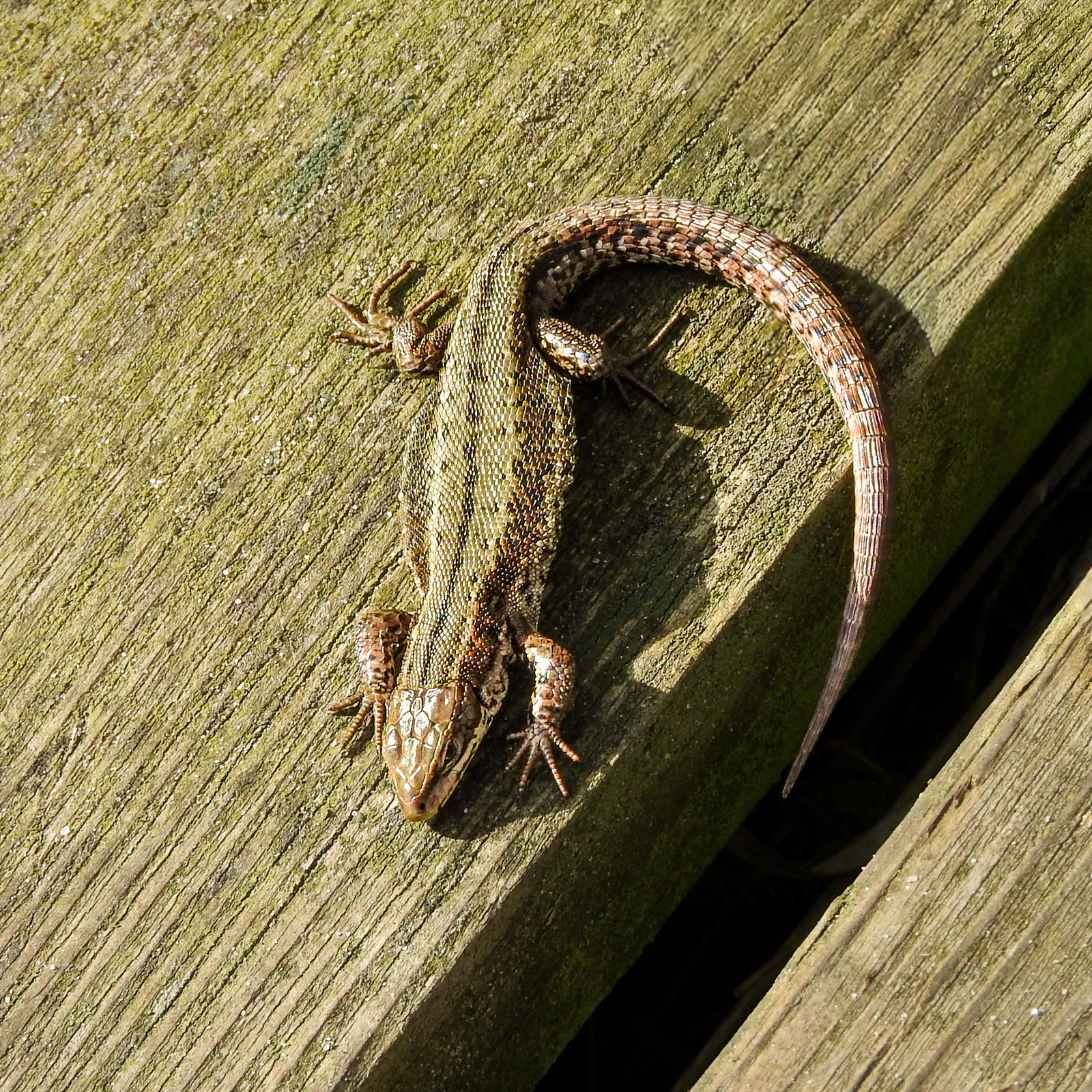
- Common Lizard (Zootoca vivipara) — Various, UK Species Family Leiocephalidae
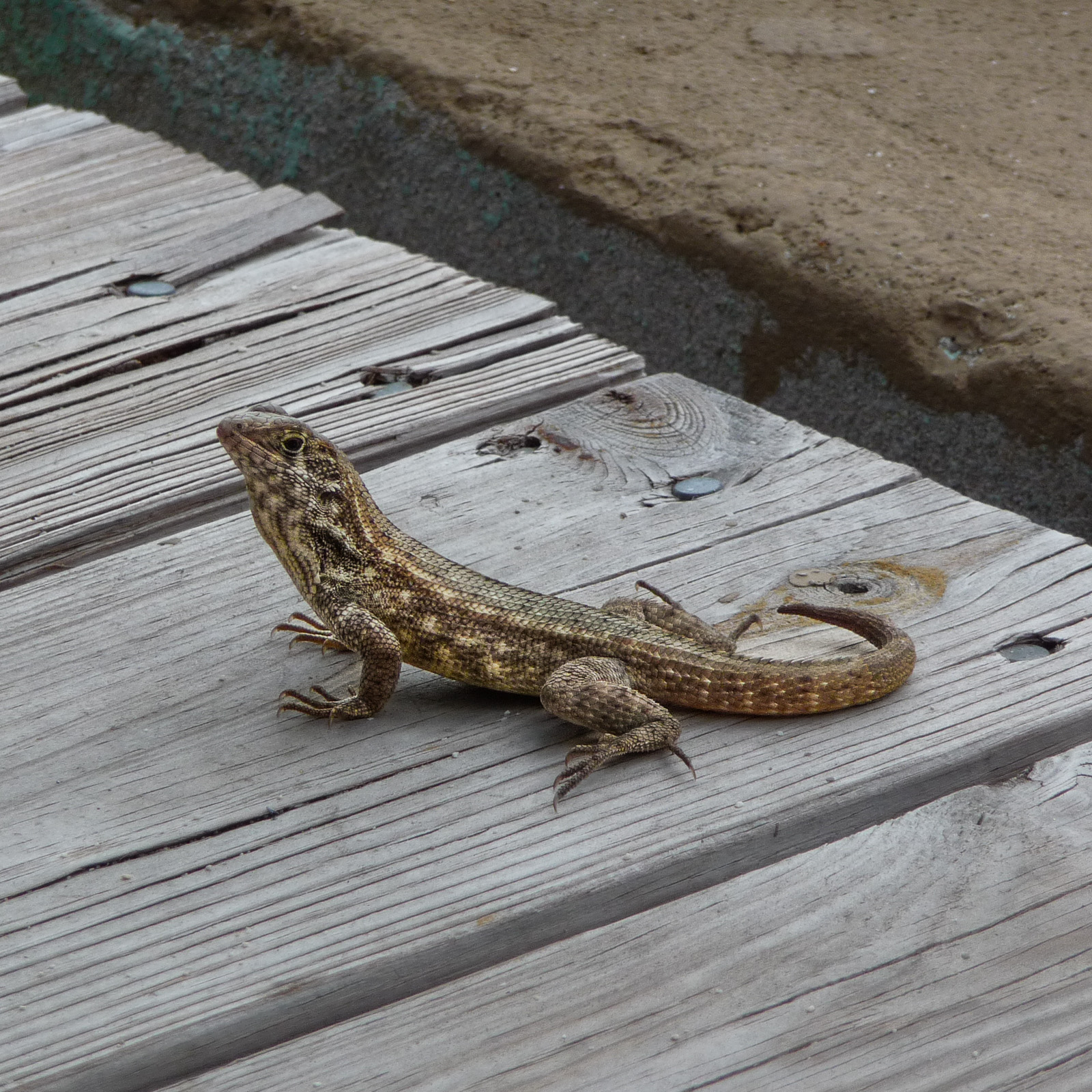
- Cayman Curly-tailed Lizard (Leiocephalus carinatus) — Cayman
Family Phrynosomatidae
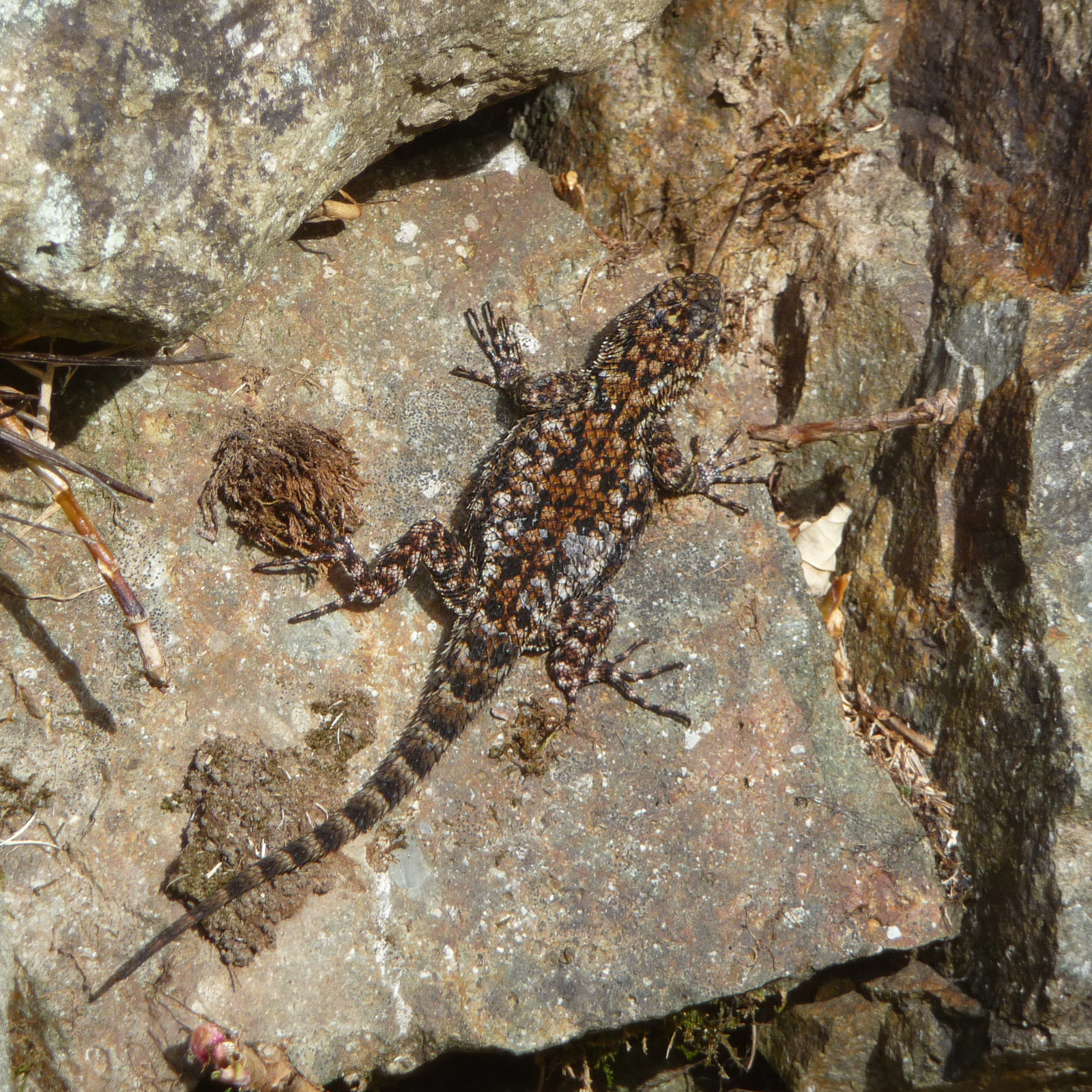
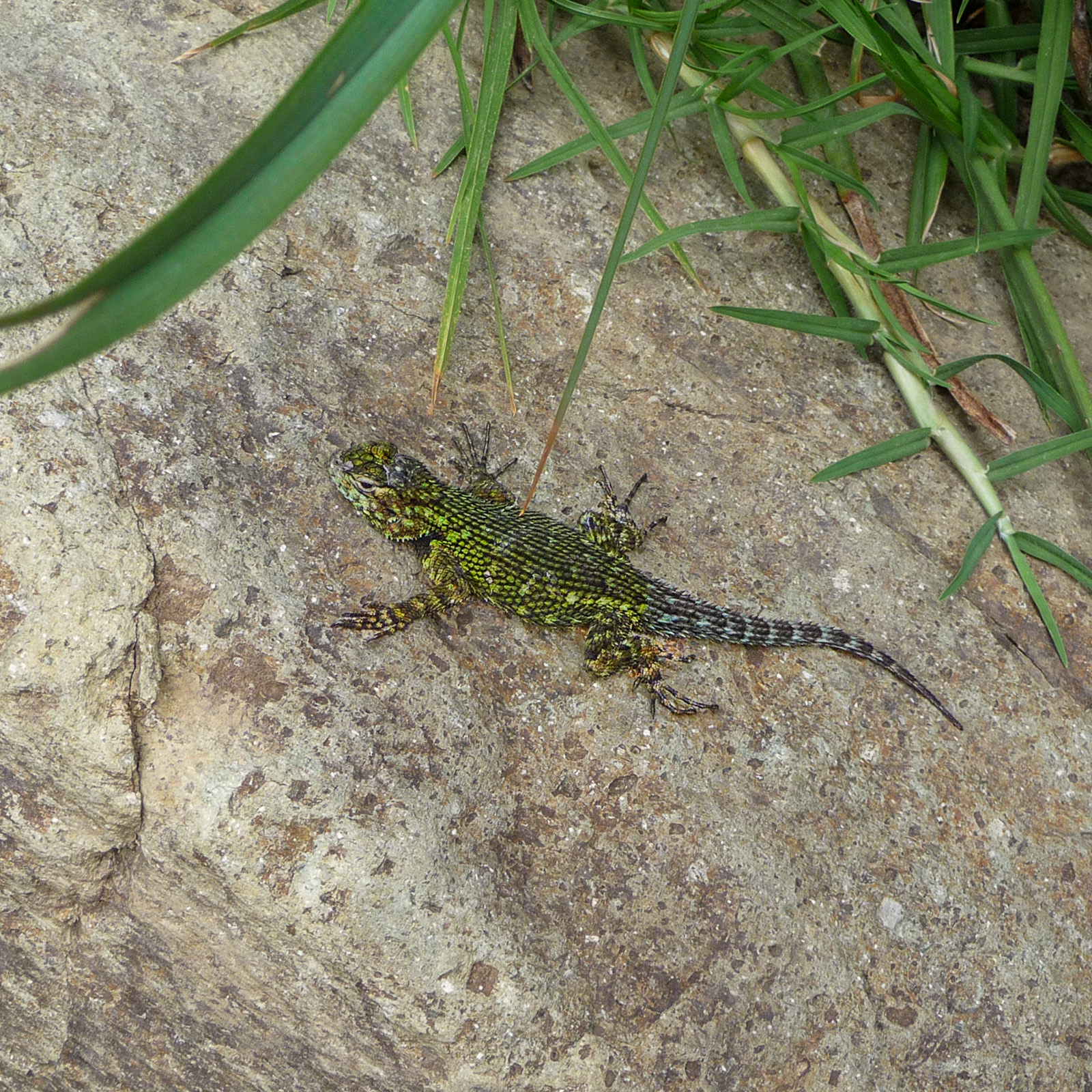
- Emerald Swift / Green Spiny Lizard (Sceloporus malachiticus) — Costa Rica 2015
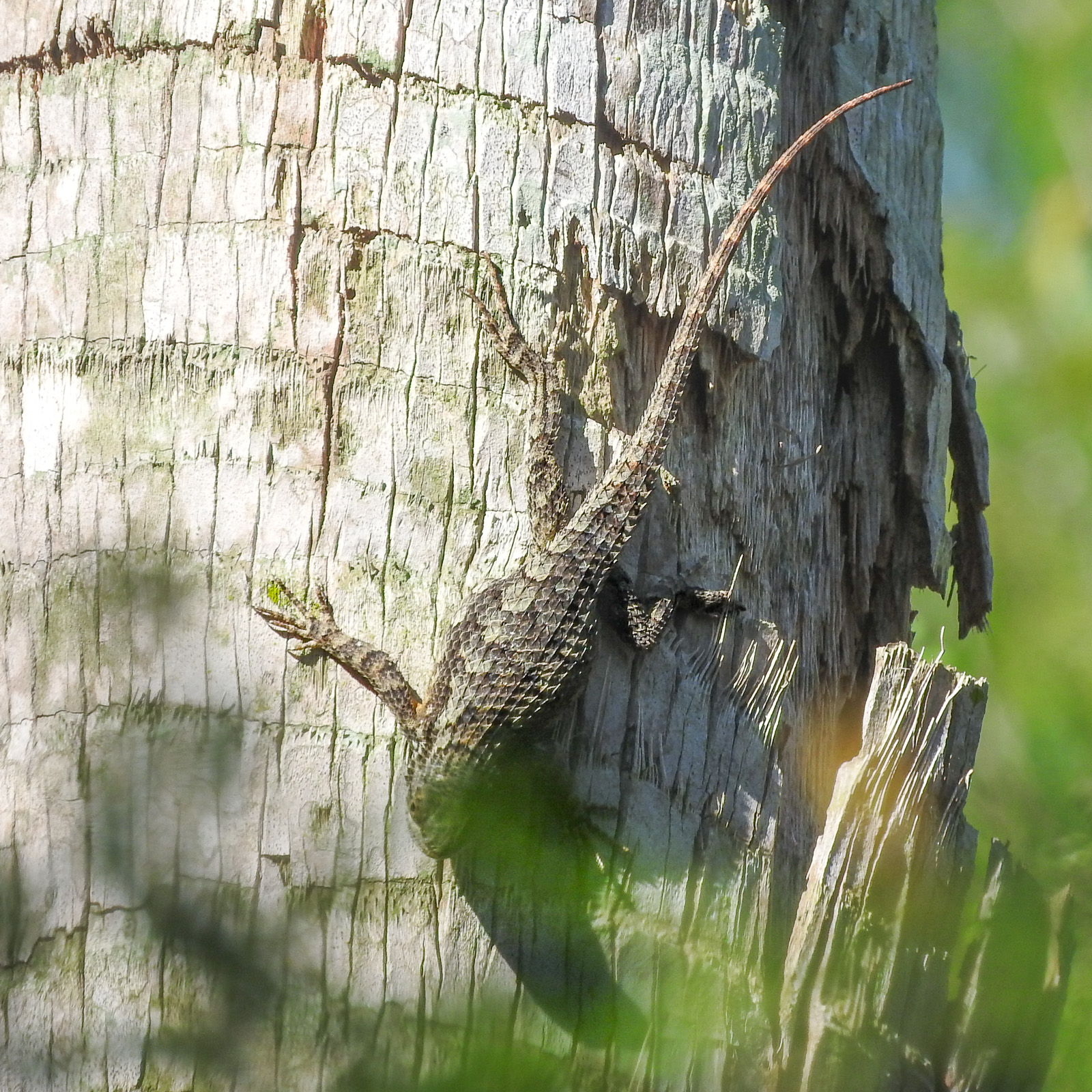
- Texas Spiny Lizard (Sceloporus olivaceus) — Texas 2024
- Rose-bellied Lizard (Sceloporus variabilis) — Texas 2024
Family Sphaerodactylidae
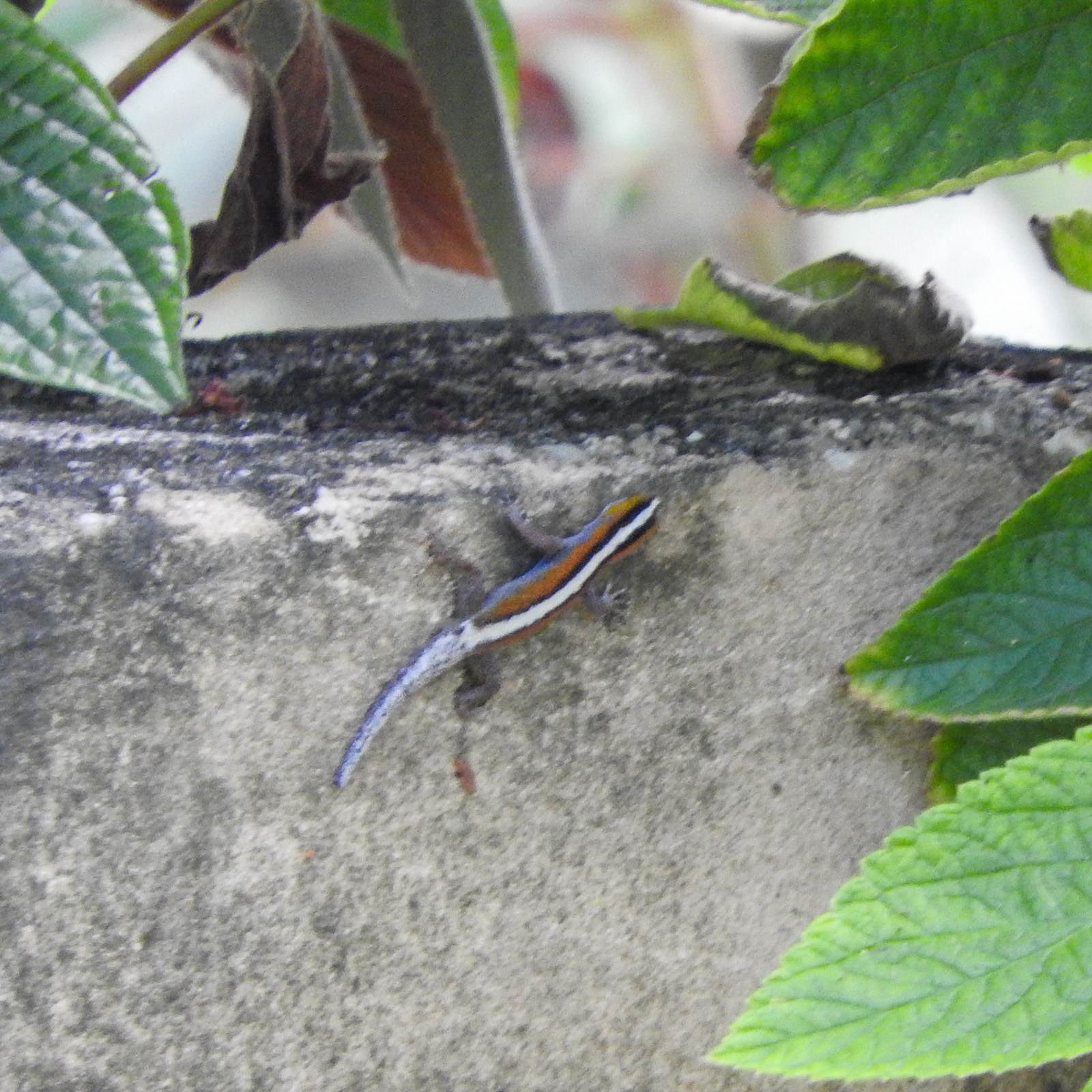
- Wiegmann’s Striped Gecko (Gonatodes vittatus) — Trinidad 2019
Family Teiidae
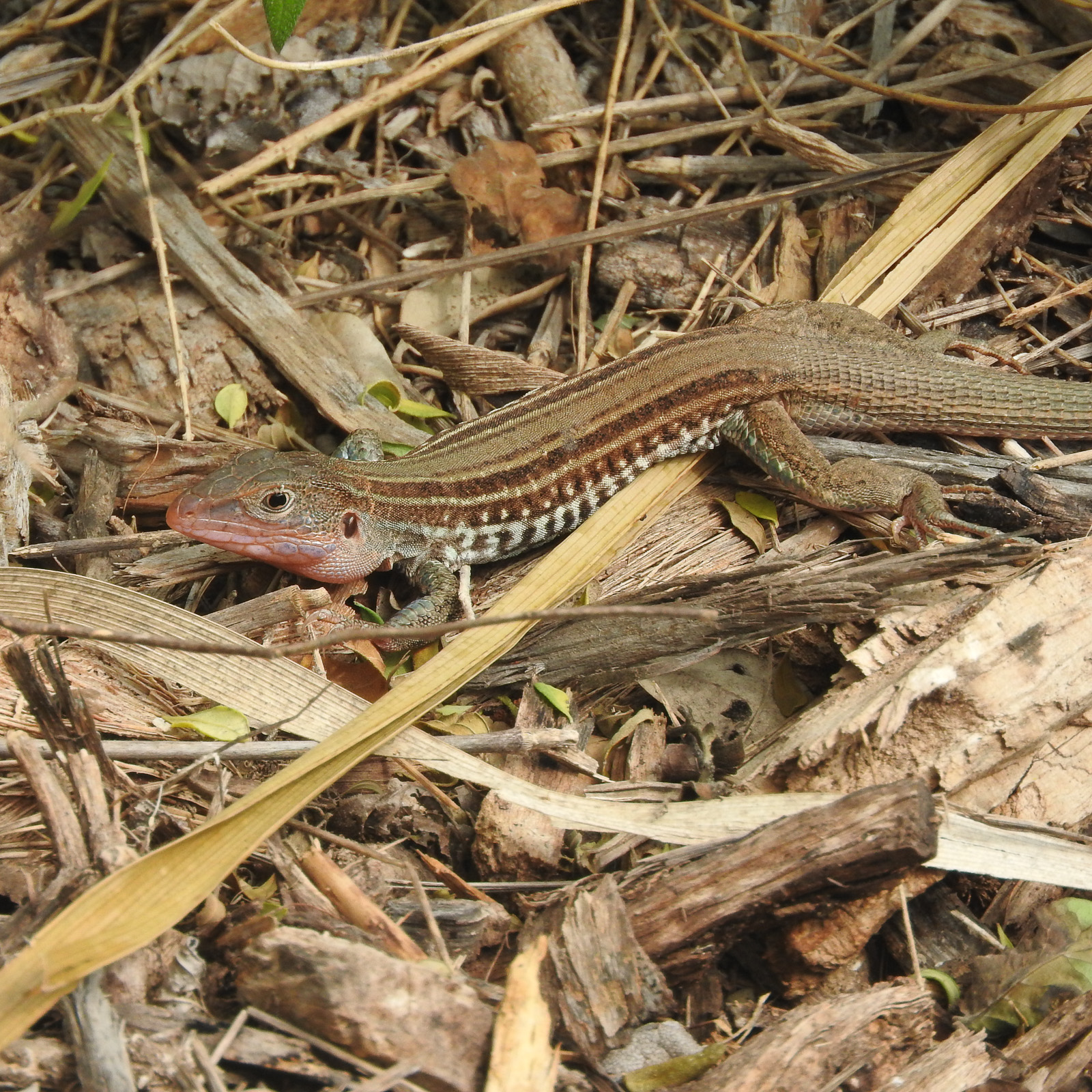
- Giant Ameiva / ungle Runner (Ameiva ameiva) — Amazon 2024, Trinidad & Tobago 2019
- Texas Spotted Whiptail (Aspidoscelis gularis ) — Texas 2024
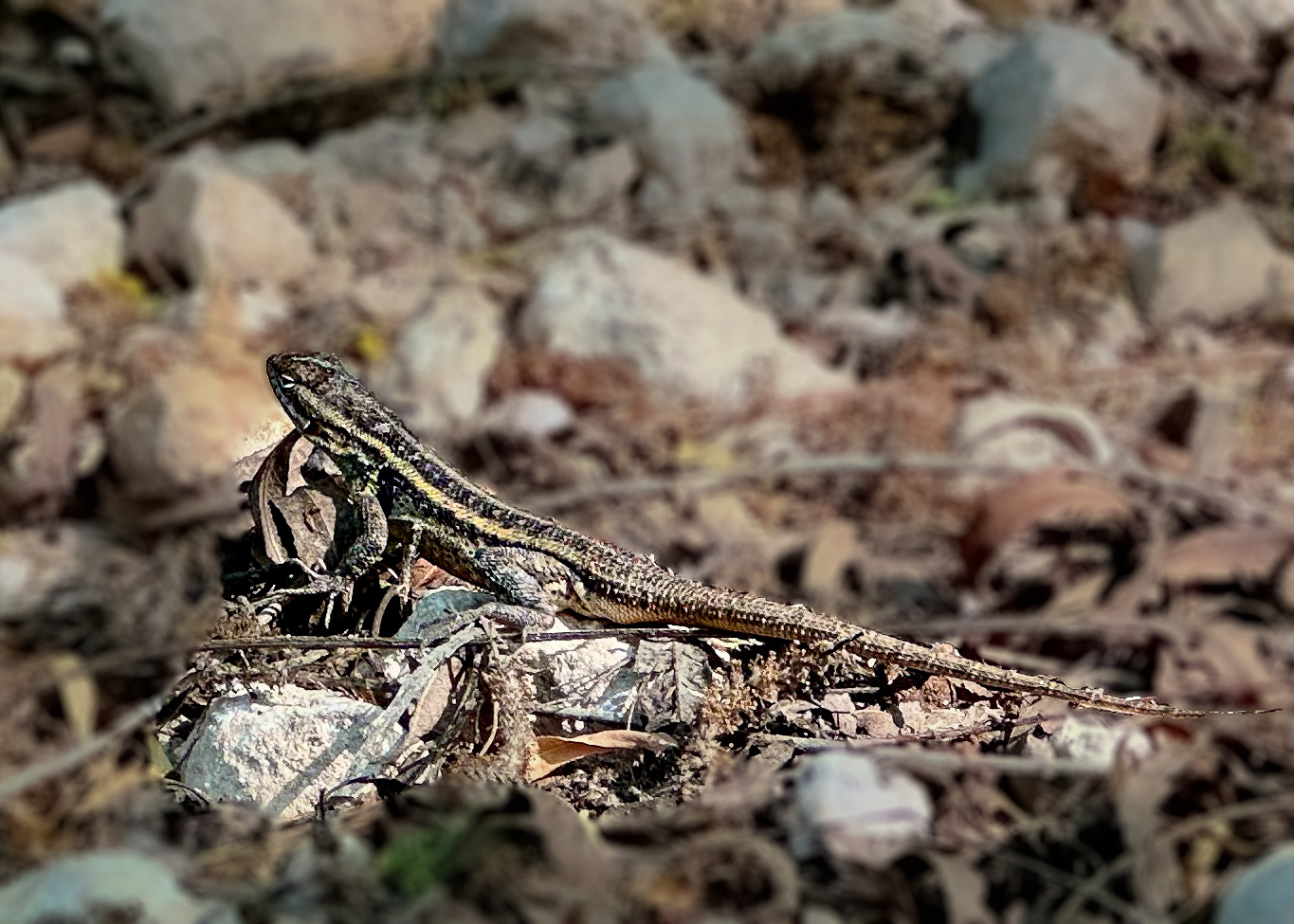
- Six-lined Racerunner (Aspidoscelis sexlineata) — Texas 2024
- Rainbow Whiptail (Cnemidophorus lemniscatus) — Amazon 2024
- Northern Caiman Lizard (Dracaena guianensis) — Amazon 2024
- Striped Forest Whiptail (Kentropyx calcarata) — Amazon 2024
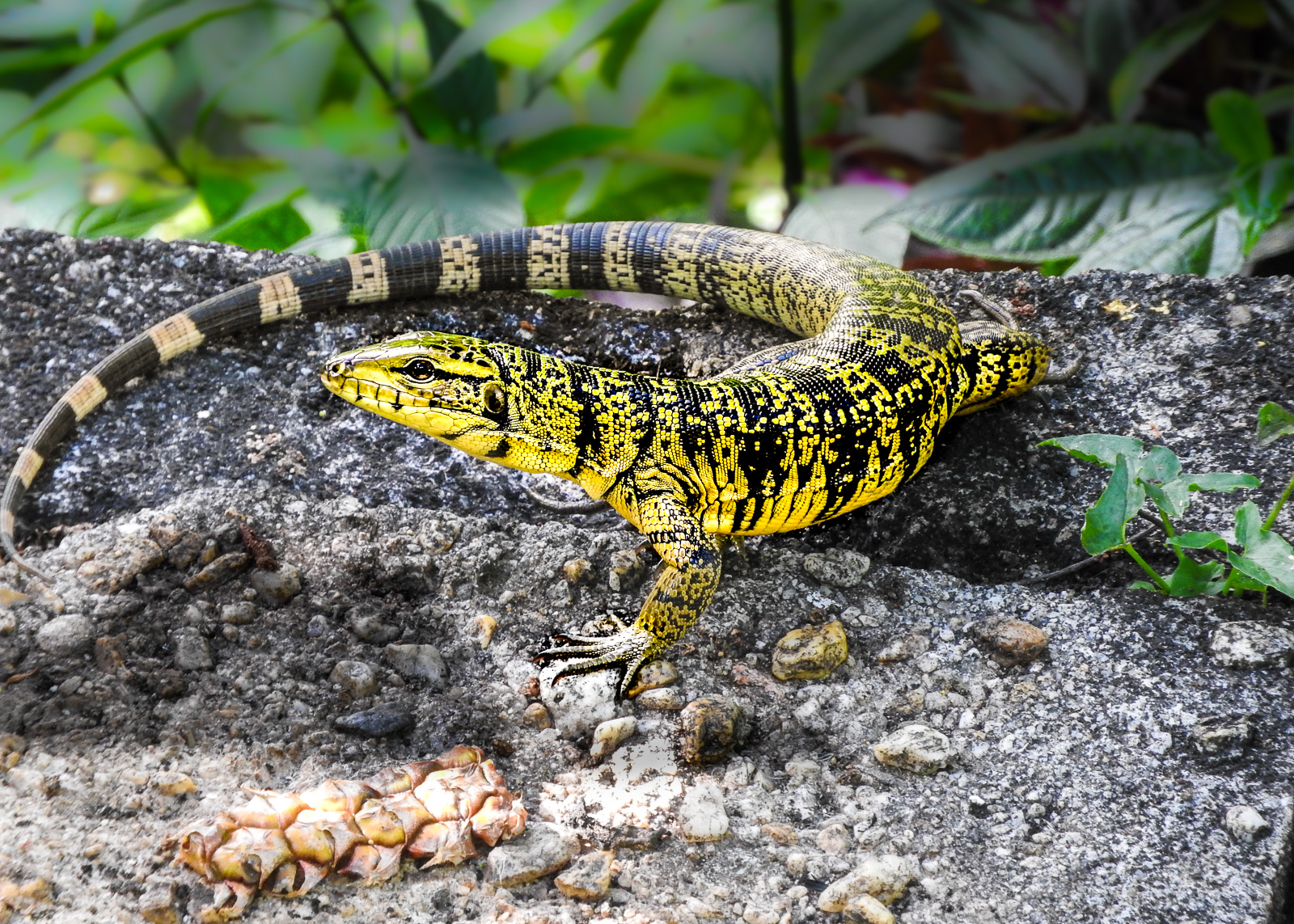
- Gold Tegu (Tupinambis teguixin) — Trinidad & Tobago 2019
Family Tropiduridae
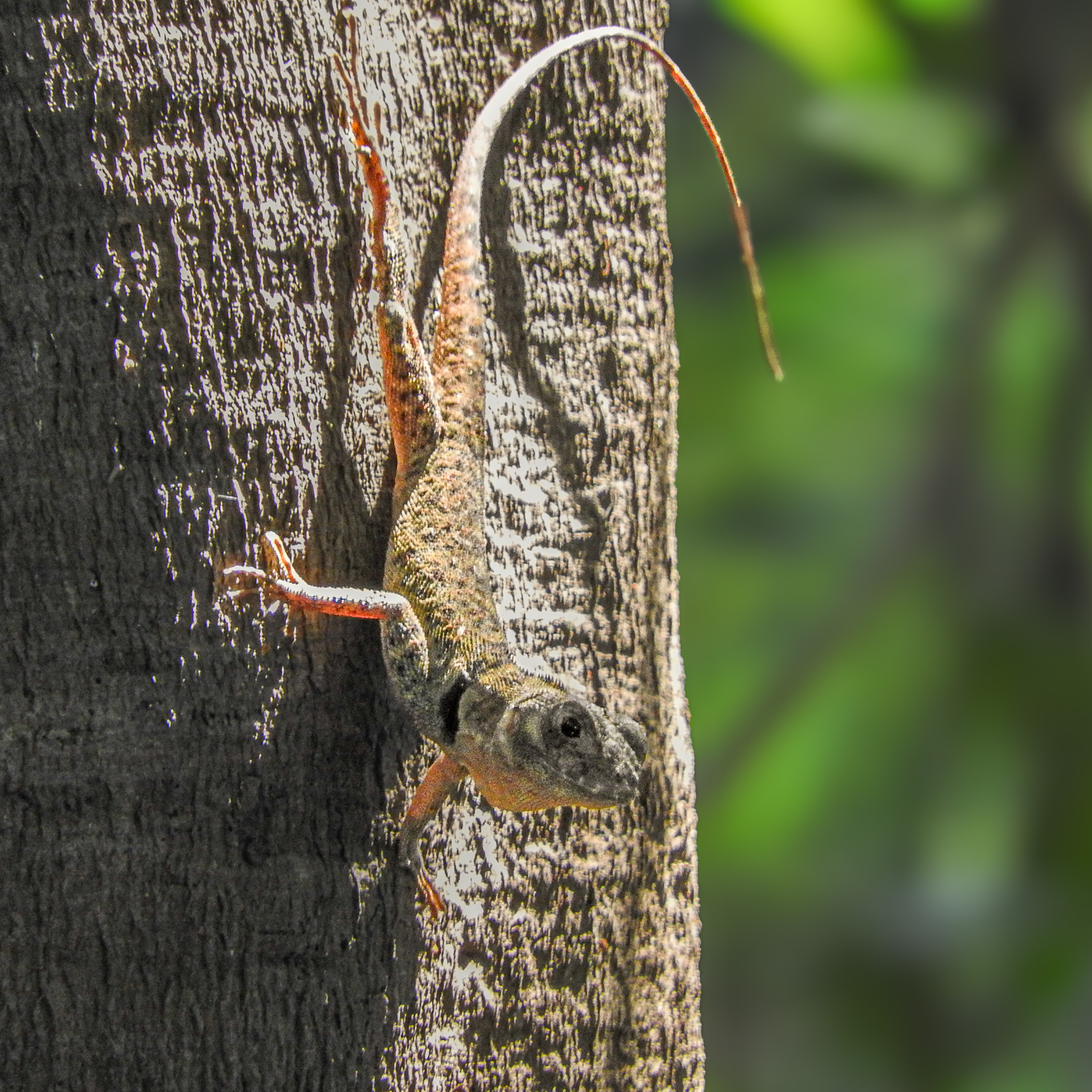
- Caribbean Treerunner (Plica caribeana) — Trinidad 2019
Family Varanidae
- Asian Water Monitor (Varanus salvator) — Malasia 1991
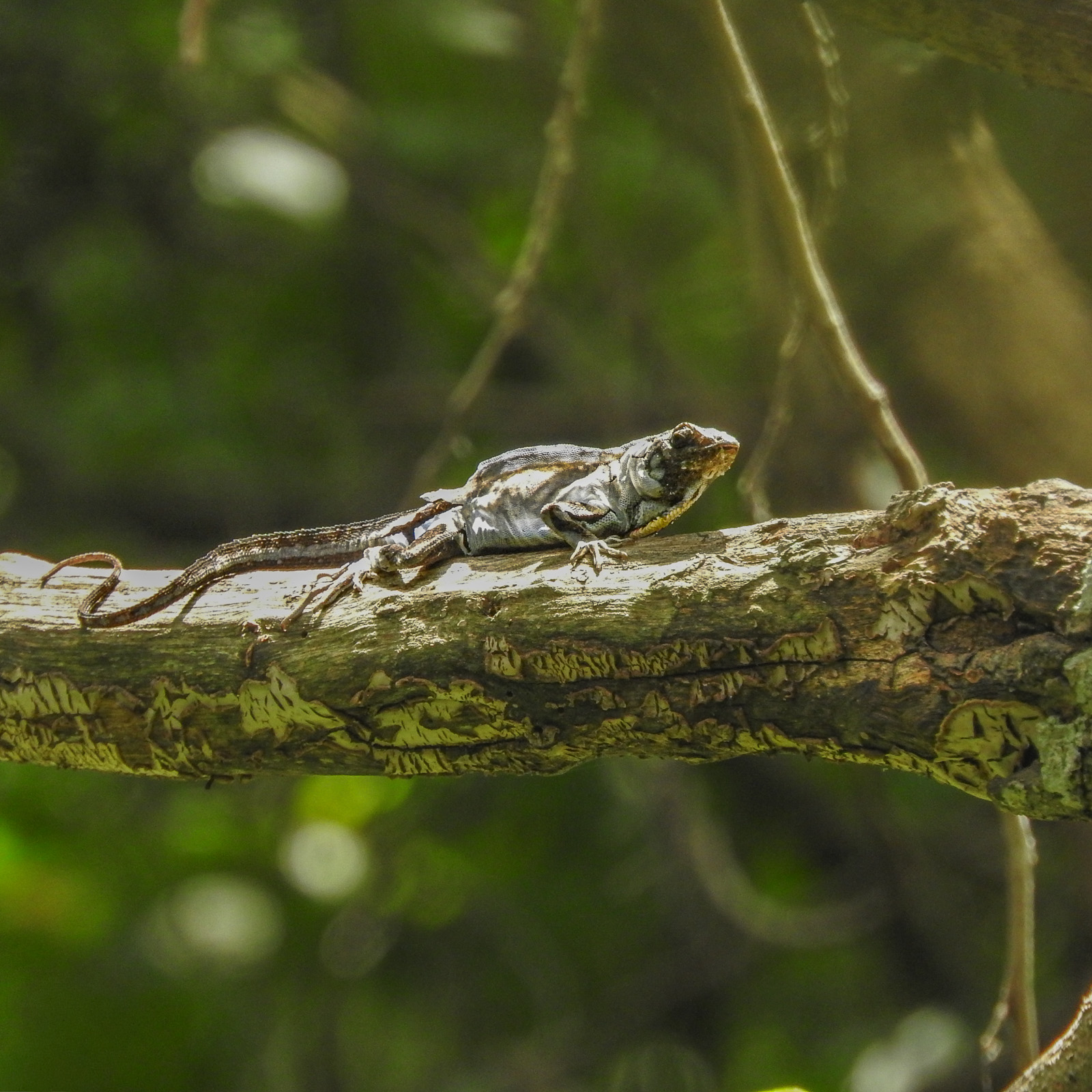
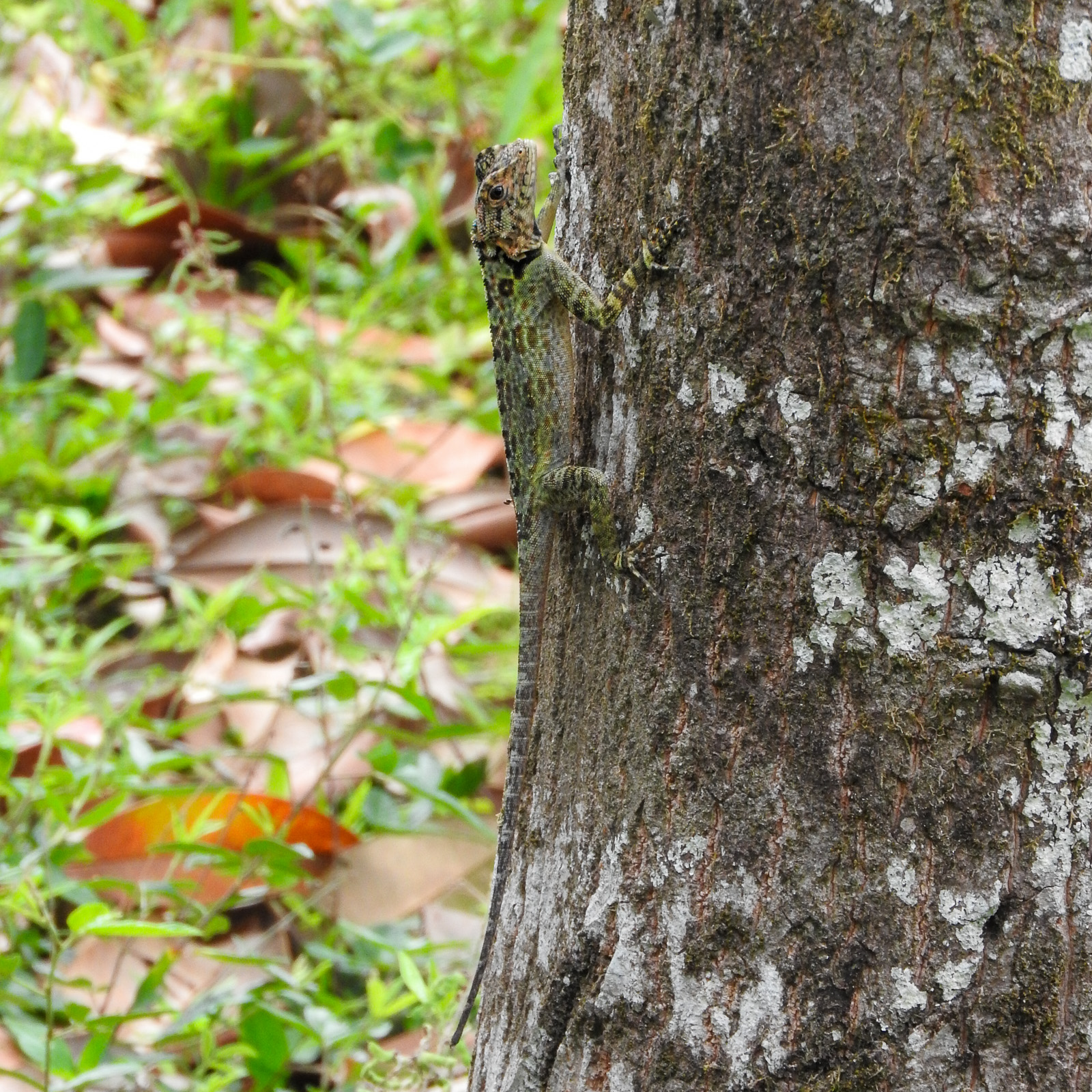
Iguanians — Iguanas, Anoles and Allies
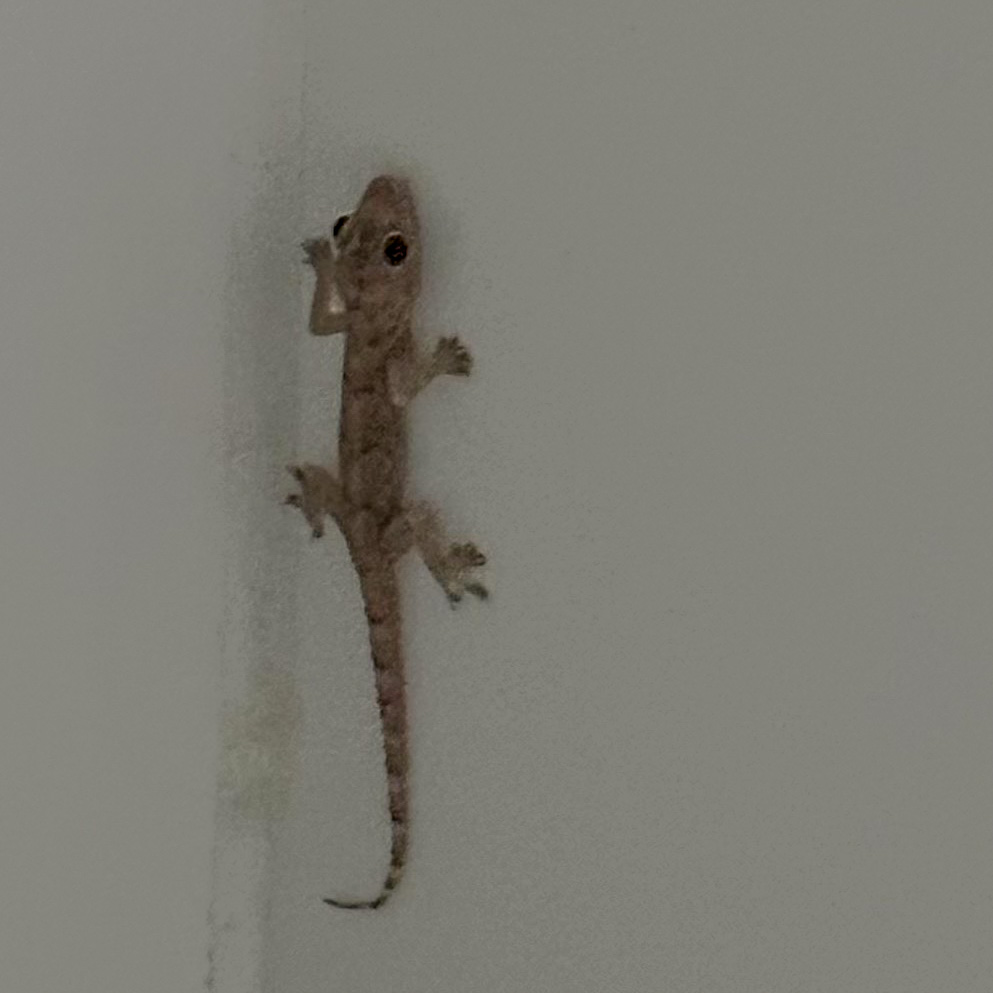
Geckos and Small Tropical Lizards
Other Lizards
Suborder Serpentes — Snakes
Snakes evolved from lizard ancestors but have become highly specialised for a limbless, elongated lifestyle. They rely on flexible skulls, powerful muscles, and acute chemical senses to hunt and navigate. Today they range from small burrowing species to large constrictors and venomous vipers, occupying habitats from forests and grasslands to wetlands and deserts.
My Observations
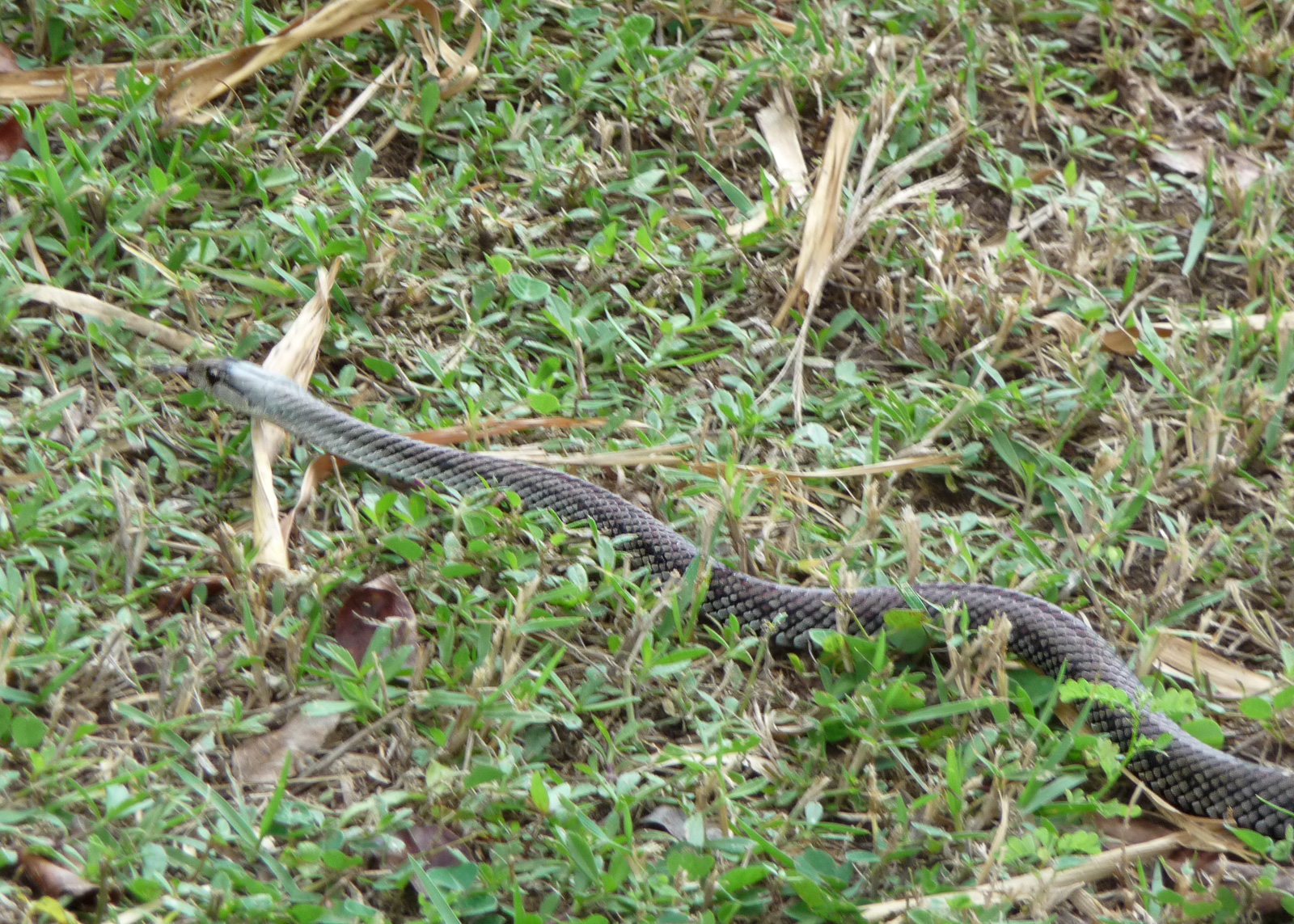
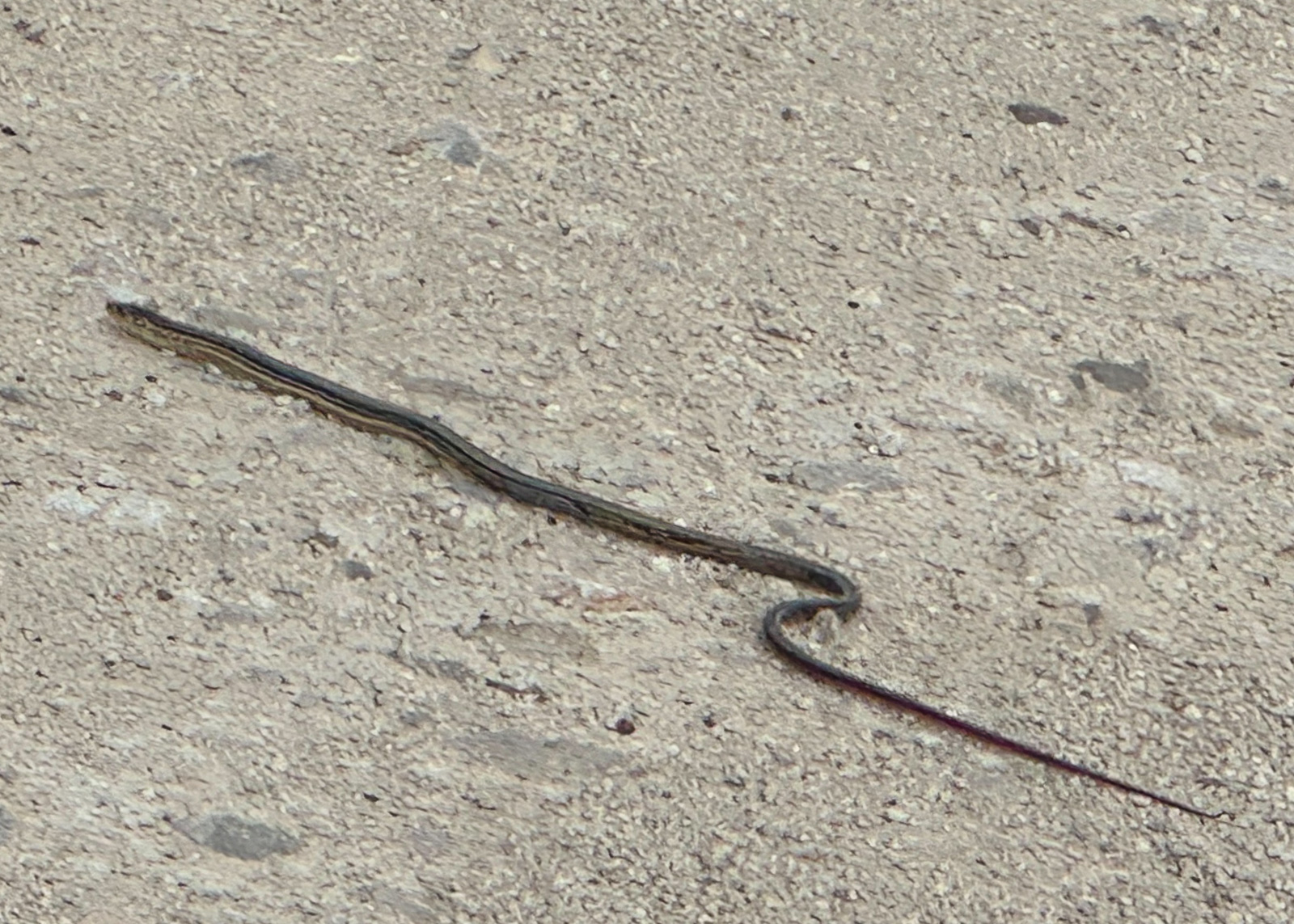
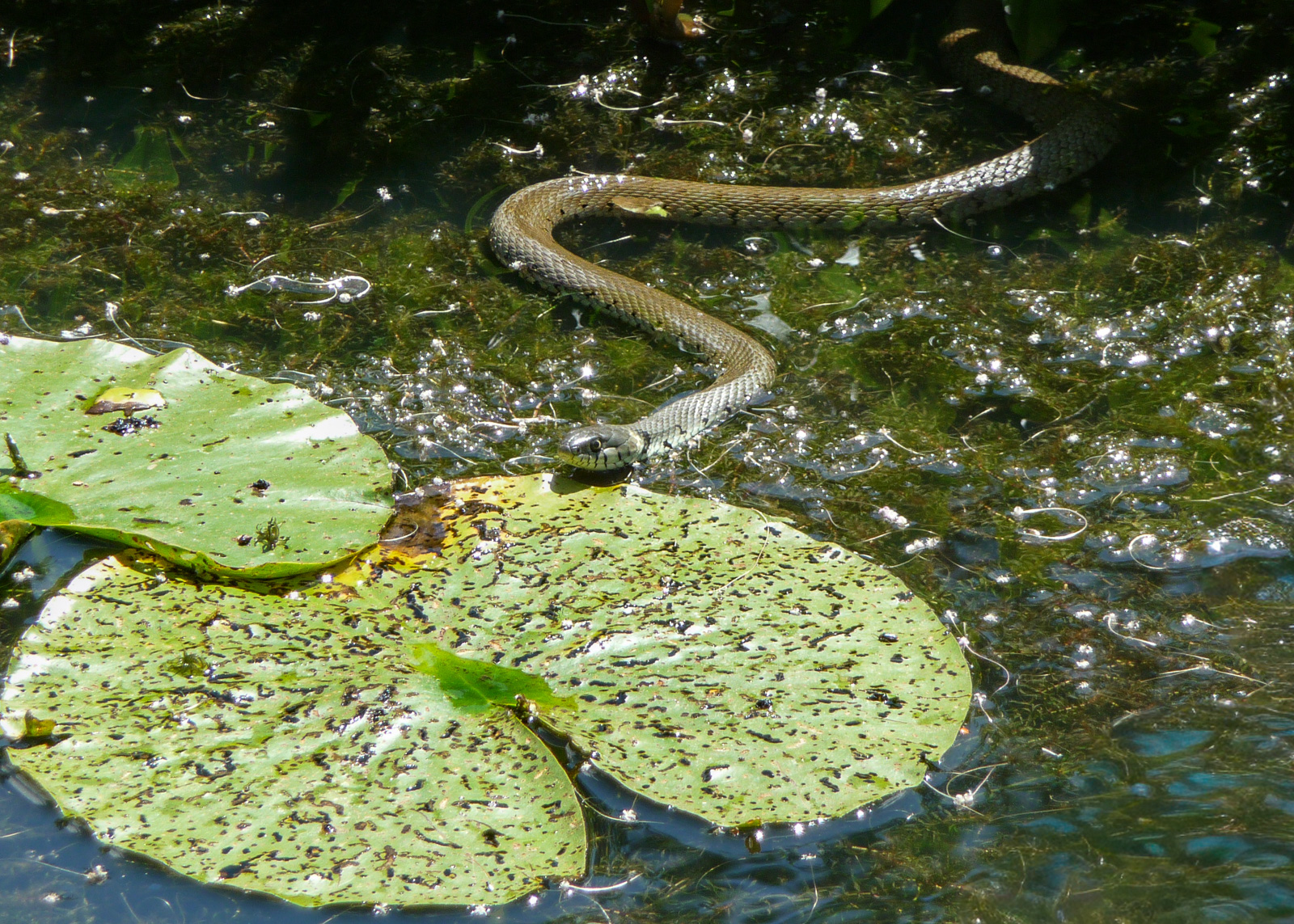
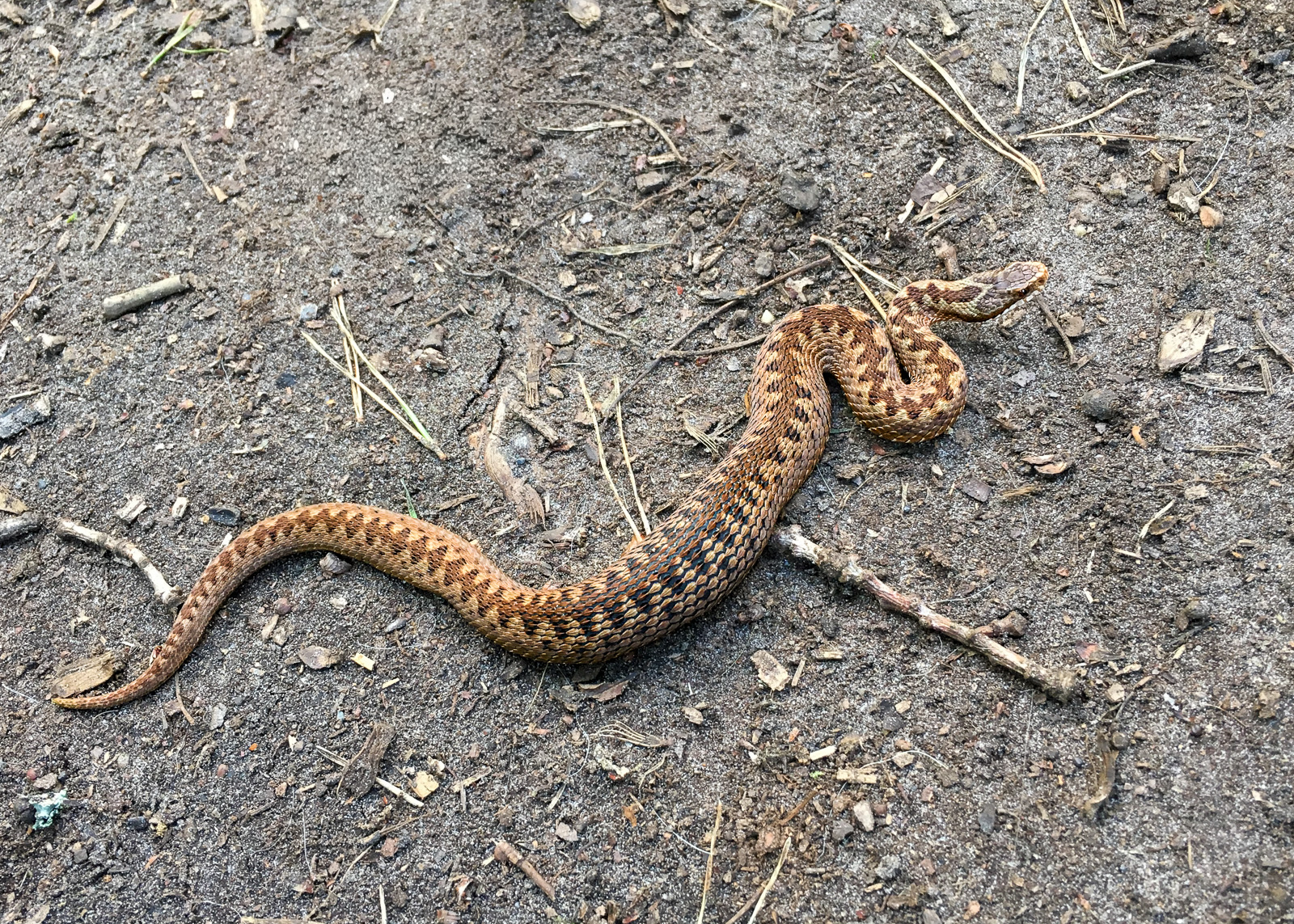
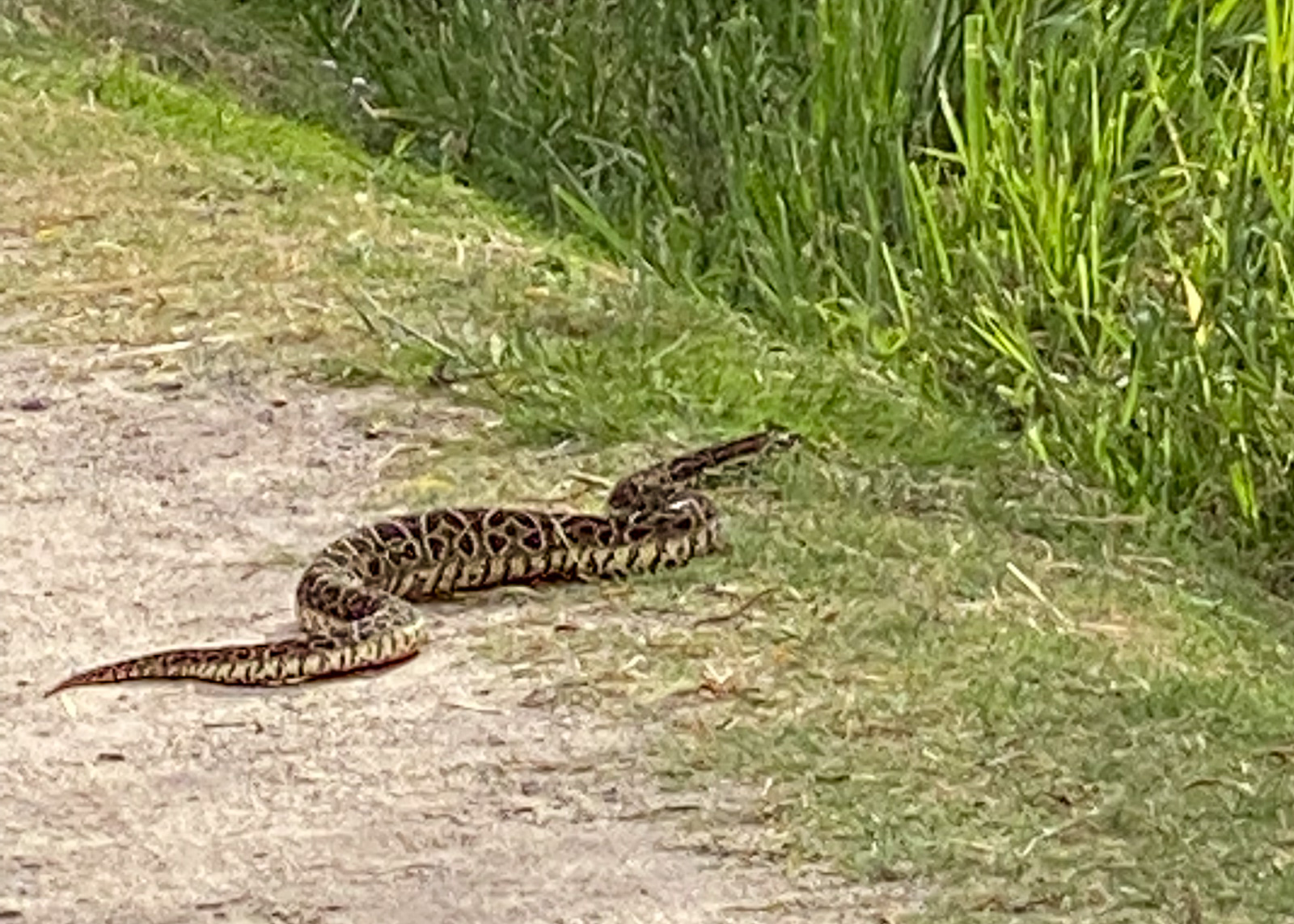
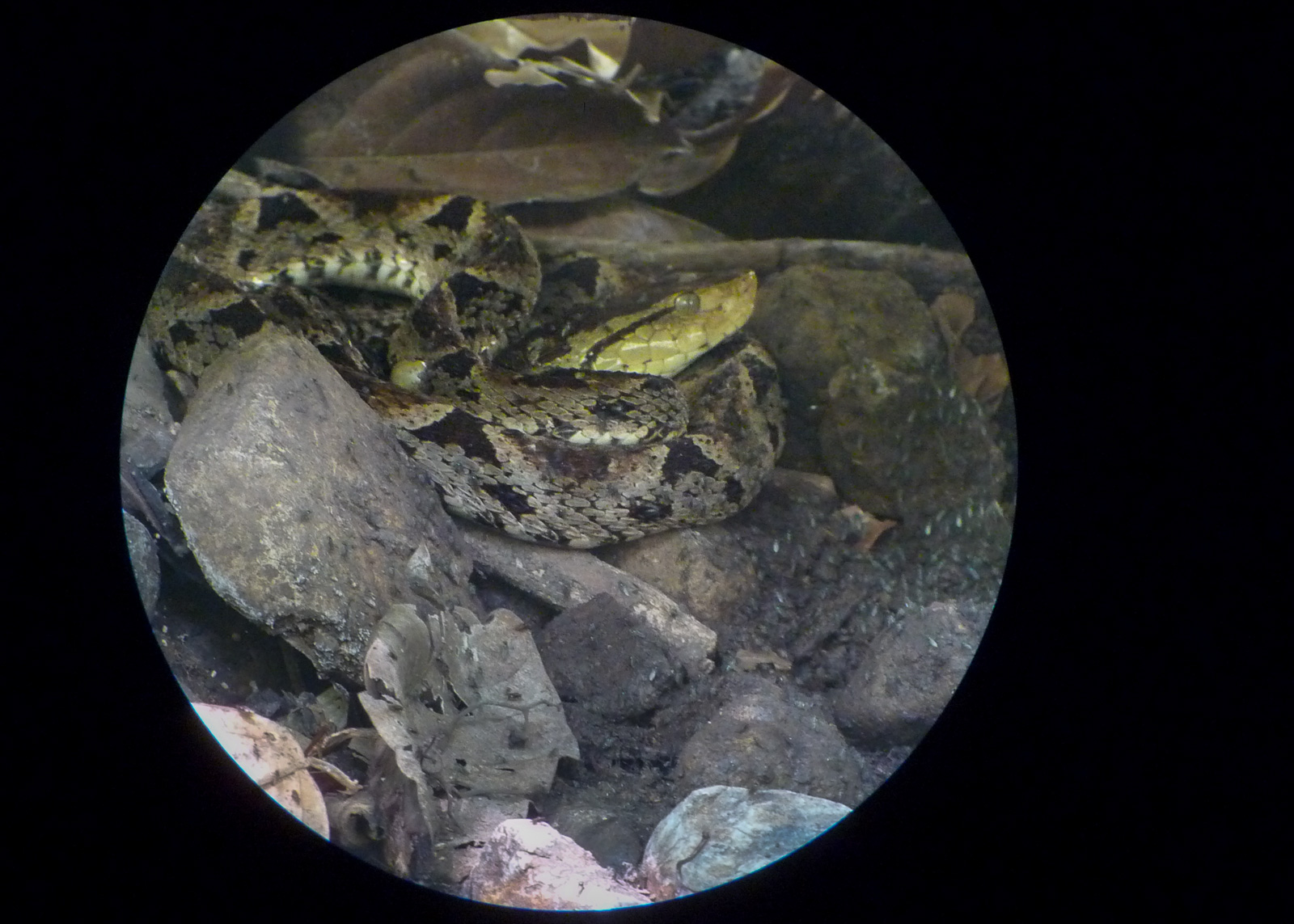
During my travels I have encountered a variety of snakes. On Grand Cayman I saw a Grand Cayman Racer, the island’s only native snake species. In Texas a Common Garter Snake slid across the road in front of our minibus; we stopped for a closer look but it quickly slithered away. In Herzegovina we had excellent views of a Tessellated Water Snake, and in Slovenia an Aesculapian Snake which our guide explained could be confused with the Four-lined Snake, though that species does not occur so far north. In Costa Rica, while walking in the Carara forest, we joined a group of photographers observing a Fer-de-Lance beneath a small bridge and were able to see it clearly through a scope. Later in Buenos Aires a Crossed Pit-viper was crossing the path ahead of us in the Reserva Ecológica Costanera Sur, and our guide was careful to keep us at a safe distance. Closer to home there are many Adders on my local common, and I have found a Barred Grass Snake, the grass snake we see in the UK, in my garden pond.
Families and Species I have seen
Family Boidae
- Amazon Tree Boa (Corallus hortulana) — Amazon 2024
- Ruschenberger’s Tree Boa (Corallus ruschenbergerii) — Trinidad & Tobago 2019
Family Colubridae
- Barred Grass Snake (Natrix helvetica) — Various, UK Species
- Tessellated Water Snake (Natrix tessellata) — Herzegovina 2025
- Bird-eating Snake / Puffing Snake (Phrynonax poecilonotus) — Costa Rica 2015
- Tiger Rat Snake / Tigre (Spilotes pullatus) — Trinidad & Tobago 2019
- Wandering Garter Snake (Thamnophis elegans vagrans) — Yellowstone 2017
- Common Garter Snake (Thamnophis sirtalis) — Texas 2024
- Aesculapian Snake (Zamenis longissimus) — Slovenia 2024
- Grand Cayman Racer (Cubophis caymanus) — Grand Cayman 2009
Family Dipsadidae
- Common Coffee Snake (Ninia atrata) — Trinidad & Tobago 2019
Family Viperidae
- Crossed Pit-viper / Yarará chica (Bothrops alternatus) — Buenos Aires 2024
- Fer-de-Lance (Bothrops asper) — Costa Rica 2015
- Adder (Vipera berus ) — Various, UK Species