Class Reptilia — Reptiles
Reptiles are ectothermic vertebrates characterised by dry, scaly skin and reproduction typically involving shelled eggs laid on land. They evolved from amphibian-like ancestors over 300 million years ago and today include crocodilians, turtles, lizards, snakes, and the tuatara.
Orders of Reptiles
Modern reptiles are divided into four living orders, ranging from the ancient tuatara lineage to the extremely diverse lizards and snakes.
Crocodilia | Rhynchocephalia | Testudines | Squamata
Order Crocodilia — Crocodiles, Alligators, Caimans and Gharials
Crocodilians are large semi-aquatic reptiles with powerful jaws, armoured bodies, and long muscular tails. They are apex predators in tropical and subtropical rivers, wetlands, and coastal habitats. Despite their fearsome appearance, this order contains relatively few living species compared with other reptiles.
My Observations
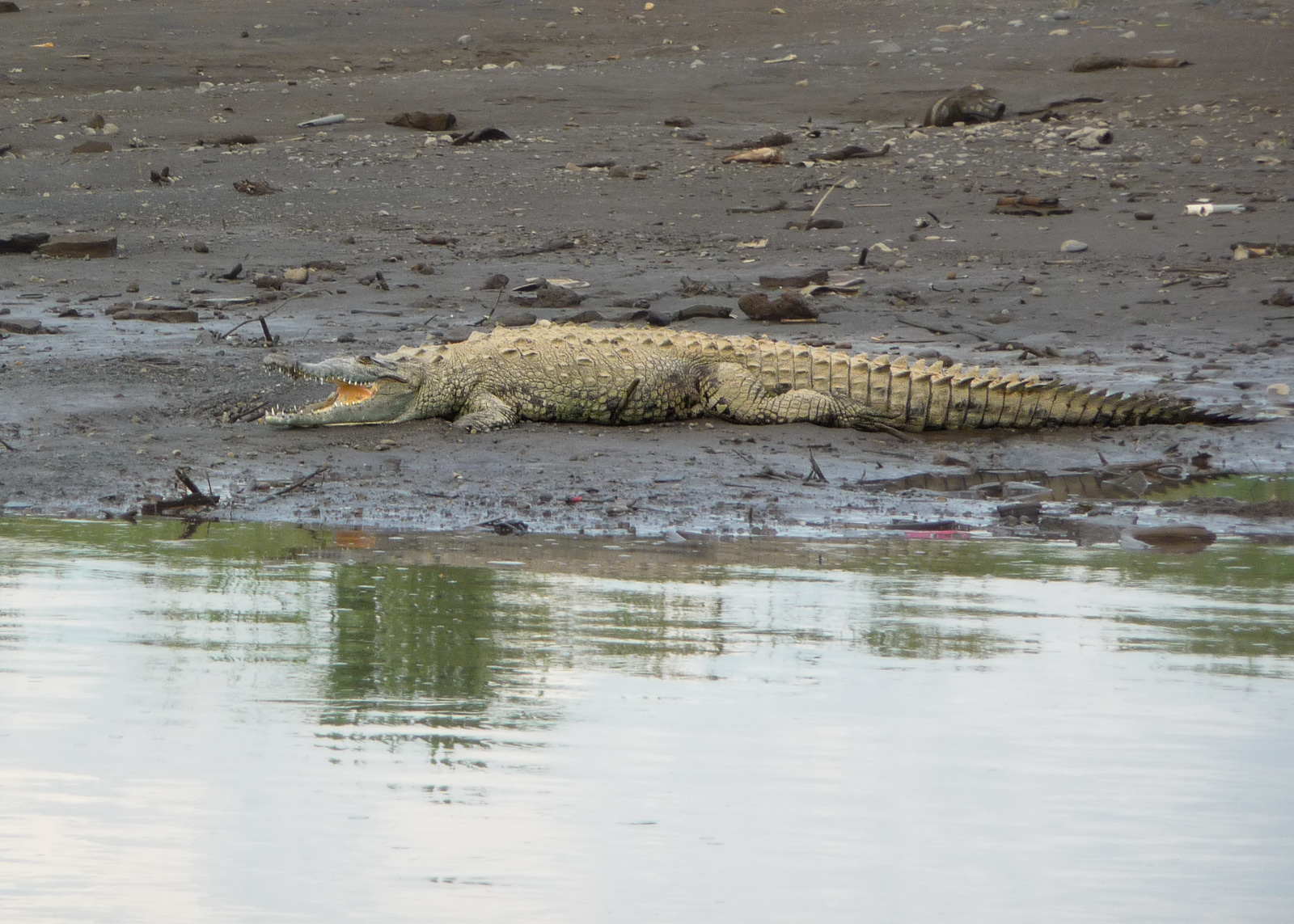
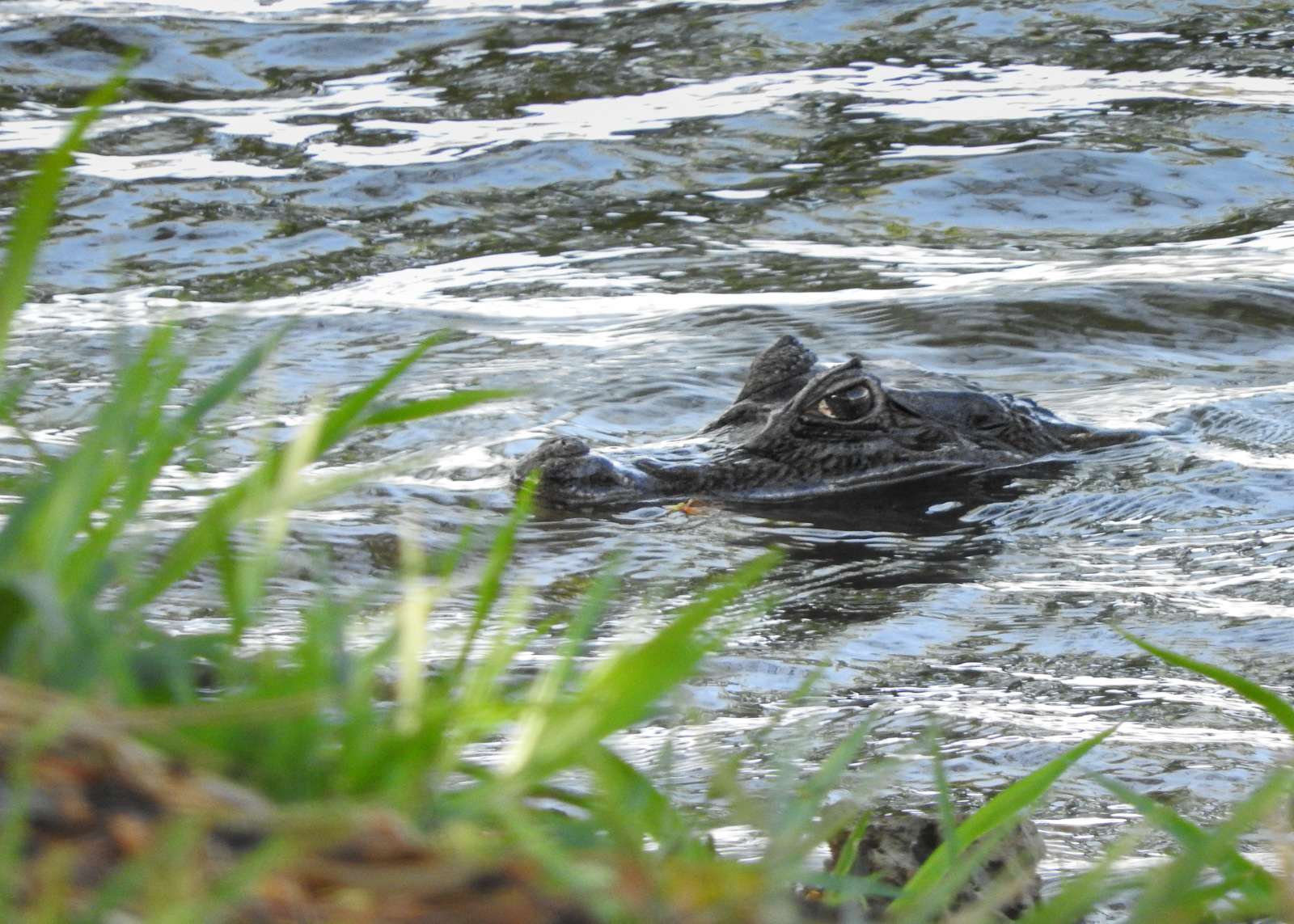
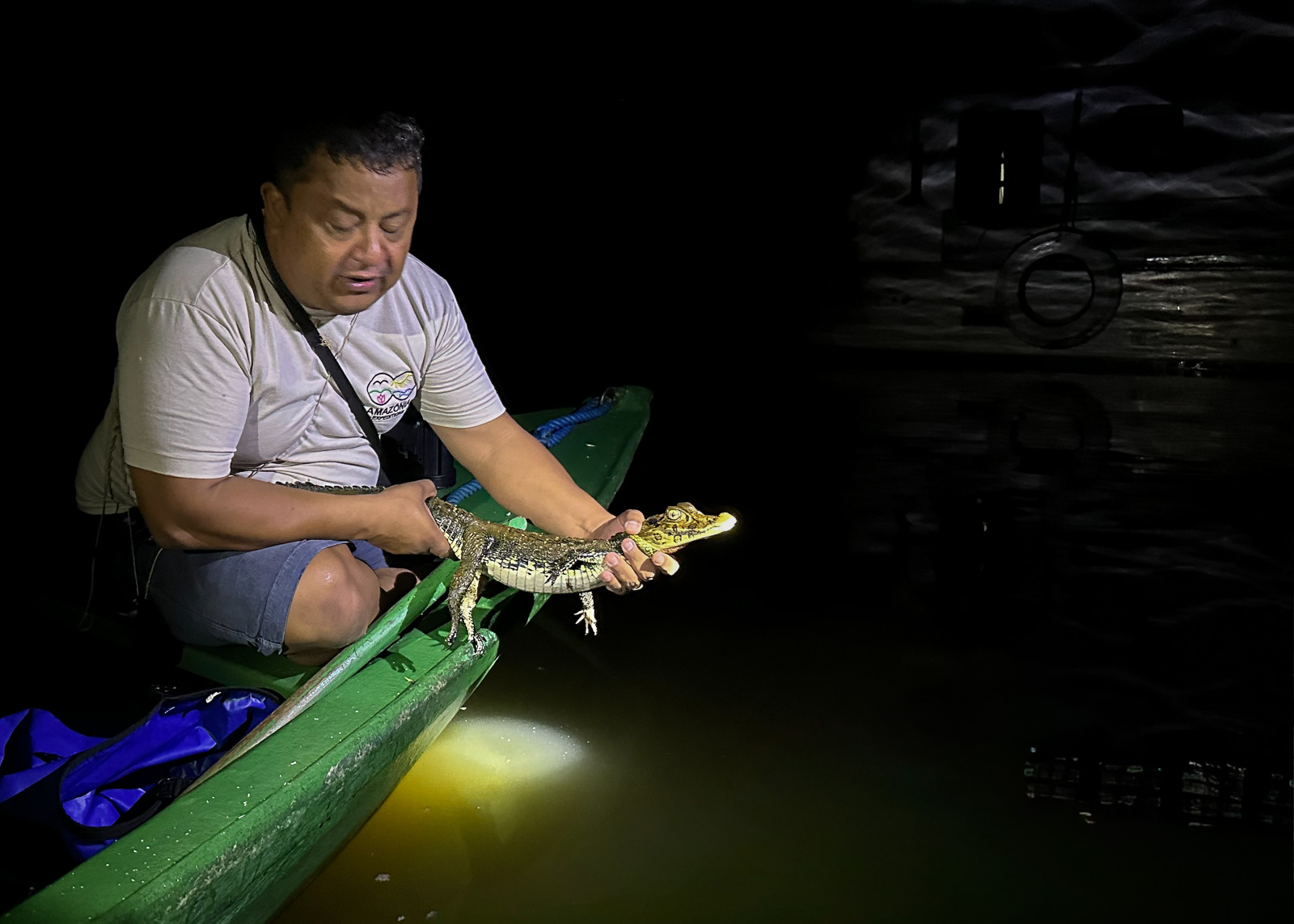
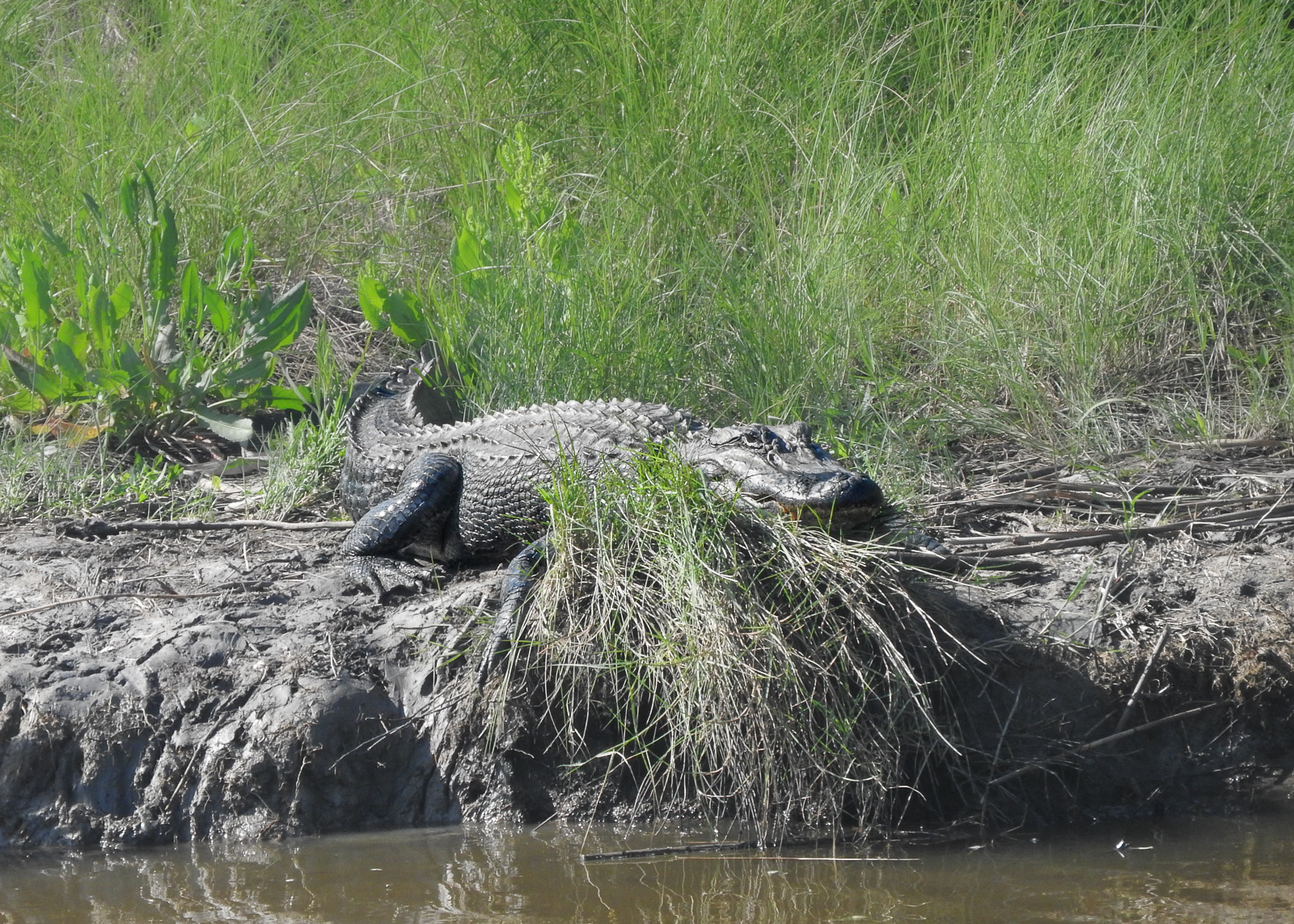
I saw my first wild crocodile in Costa Rica. There were alligators all over the place in Texas, some rather large and quite close to the path. During canoe rides on the Amazon we saw several Black Caimans, and our host picked a baby one out of the water for us to look at.
Species I have seen
Family Alligatoridae
- American Alligator (Alligator mississippiensis) — Texas 2024
- Spectacled Caiman (Caiman crocodilus) — Amazon 2024, Costa Rica 2015, Tobago 2019
- Black Caiman (Melanosuchus niger) — Amazon 2024
Family Crocodylidae
- American Crocodile (Crocodylus acutus) — Costa Rica 2015
Order Rhynchocephalia — Tuataras
The tuatara is the only surviving member of this ancient reptile order. This is an ancient lineage that flourished during the age of dinosaurs. Today they survive only in New Zealand and belong to a single family, Sphenodontidae.
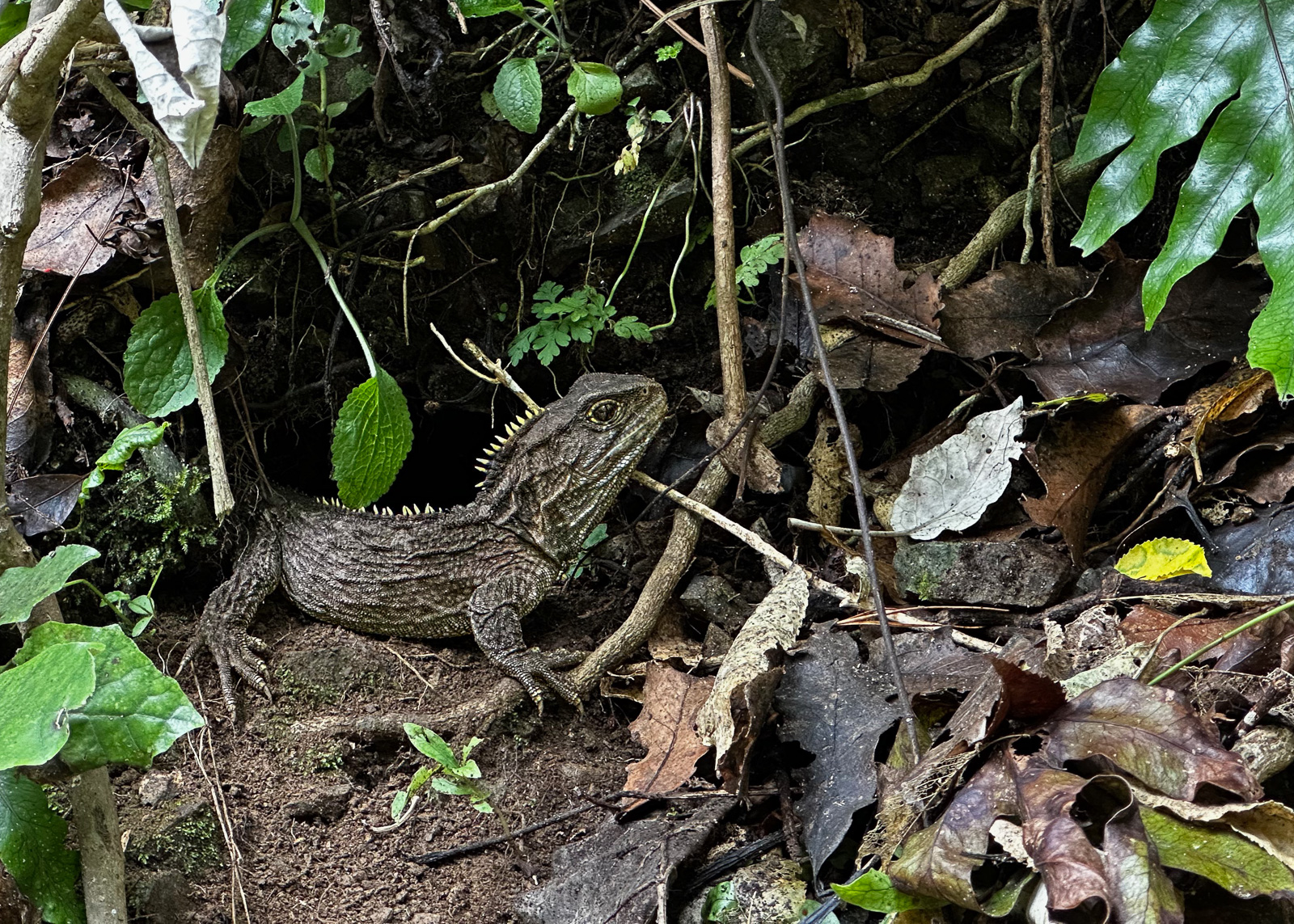
I encountered a Tuatara while visiting Zealandia Ecosanctuary. As we walked through this fenced nature reserve, one was sunning itself beside the path. These remarkable reptiles resemble large lizards but represent the last survivors of a once widespread reptile group that dates back over 200 million years.
Tuatara (Sphenodon punctatus)
— New Zealand 2023
Order Testudines — Turtles and Tortoises
Turtles and tortoises are reptiles characterised by a bony shell formed from modified ribs and vertebrae. They occur in marine, freshwater, and terrestrial habitats around the world and include both slow-moving land tortoises and highly migratory sea turtles.
My Observations
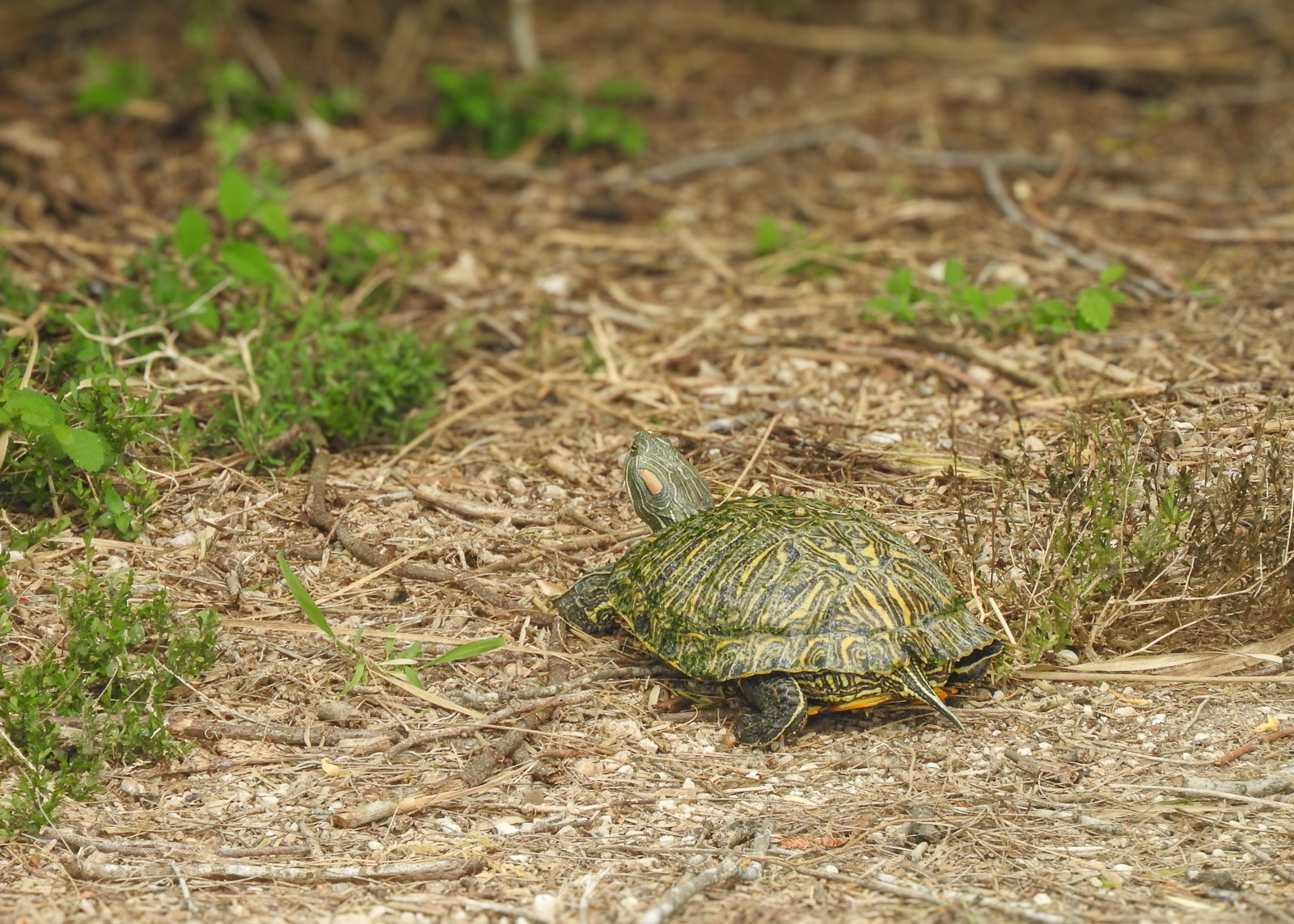
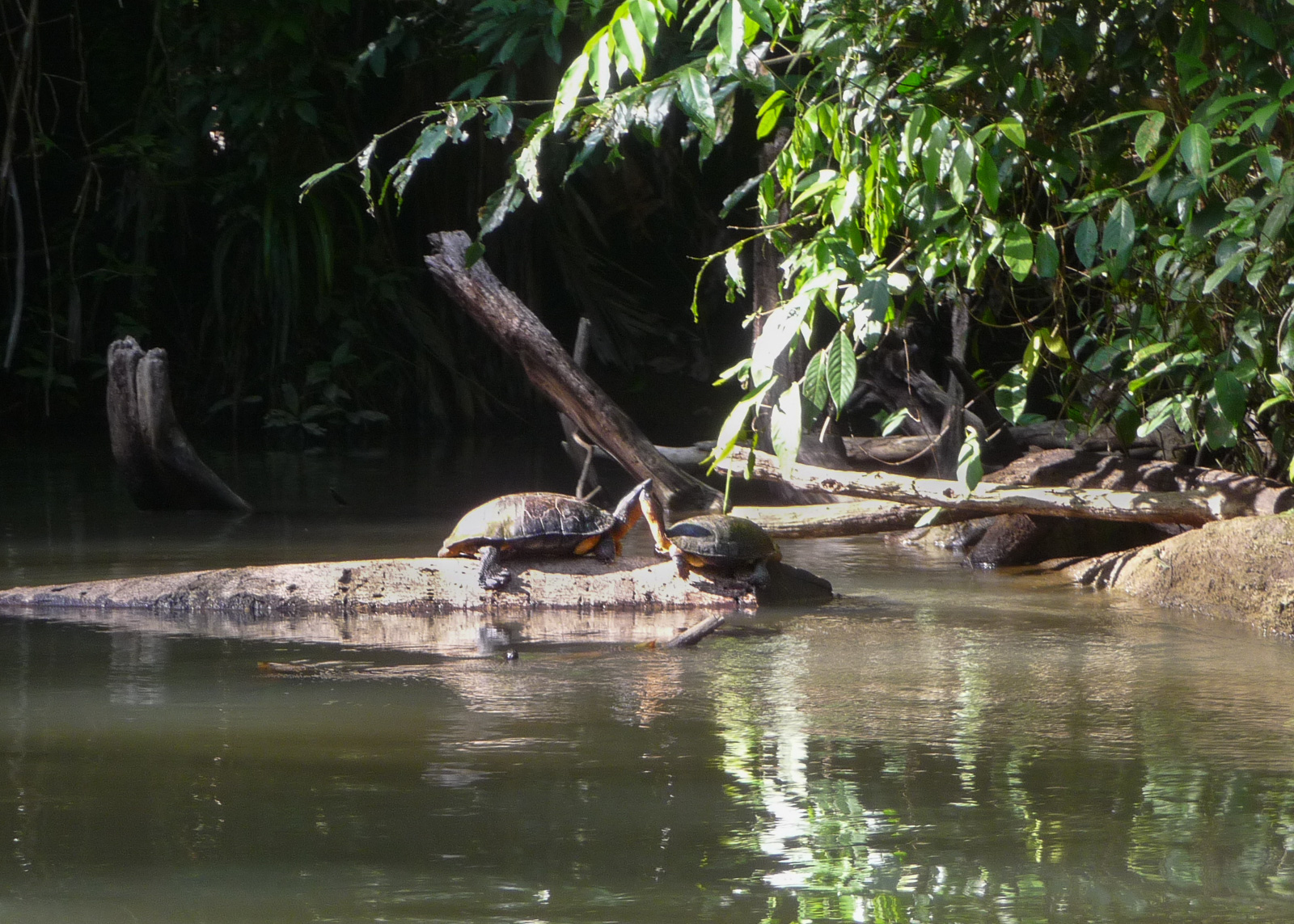
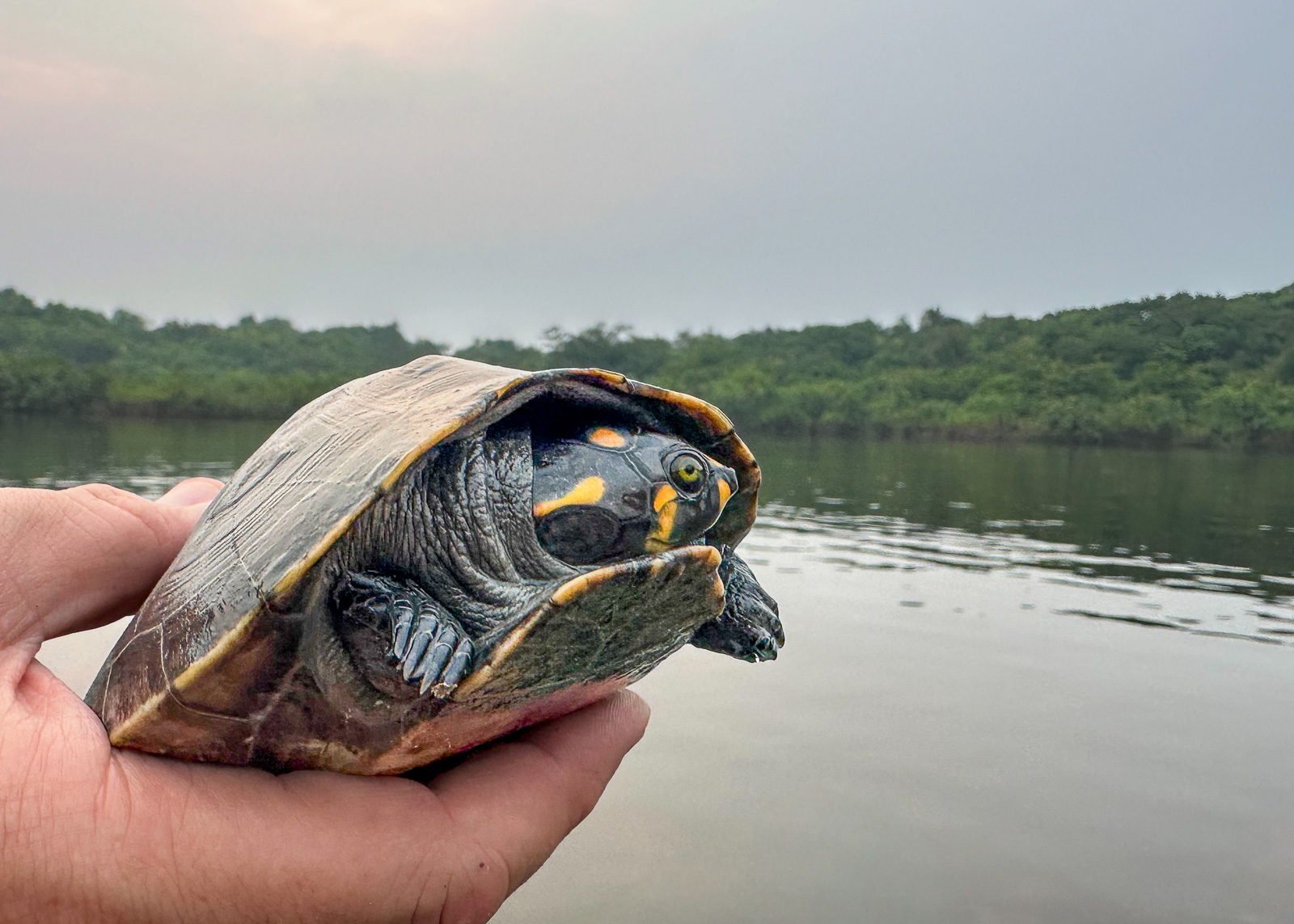
We watched Leatherback Turtles come up onto the beach to lay eggs in Trinidad, quite an experience. I have seen Red‑eared Sliders in both the Caymans, where they were introduced, and in Texas. In Costa Rica we saw Black River Turtles, sometimes together with caimans, and on the Amazon we came across a fisherman who had just caught a Yellow‑headed Sideneck; our host bought it from him and we released it later on.
Species I have seen
Family Cheloniidae — Sea Turtles
- Green Sea Turtle (Chelonia mydas) — Malaysia 1991
Family Dermochelyidae
- Leatherback Sea Turtle (Dermochelys coriacea) — Trinidad & Tobago 2019
Family Emydidae — Pond and Box Turtles
- Red-eared Slider (Trachemys scripta elegans) — Texas 2024
Family Geoemydidae — Eurasian Pond, River, and Neotropical Wood Turtles
- Black River Turtle (Rhinoclemmys funerea) — Costa Rica 2015
Family Podocnemididae— South American Sideneck River Turtles
- Yellow-headed Sideneck (Podocnemis unifilis) — Amazon 2024
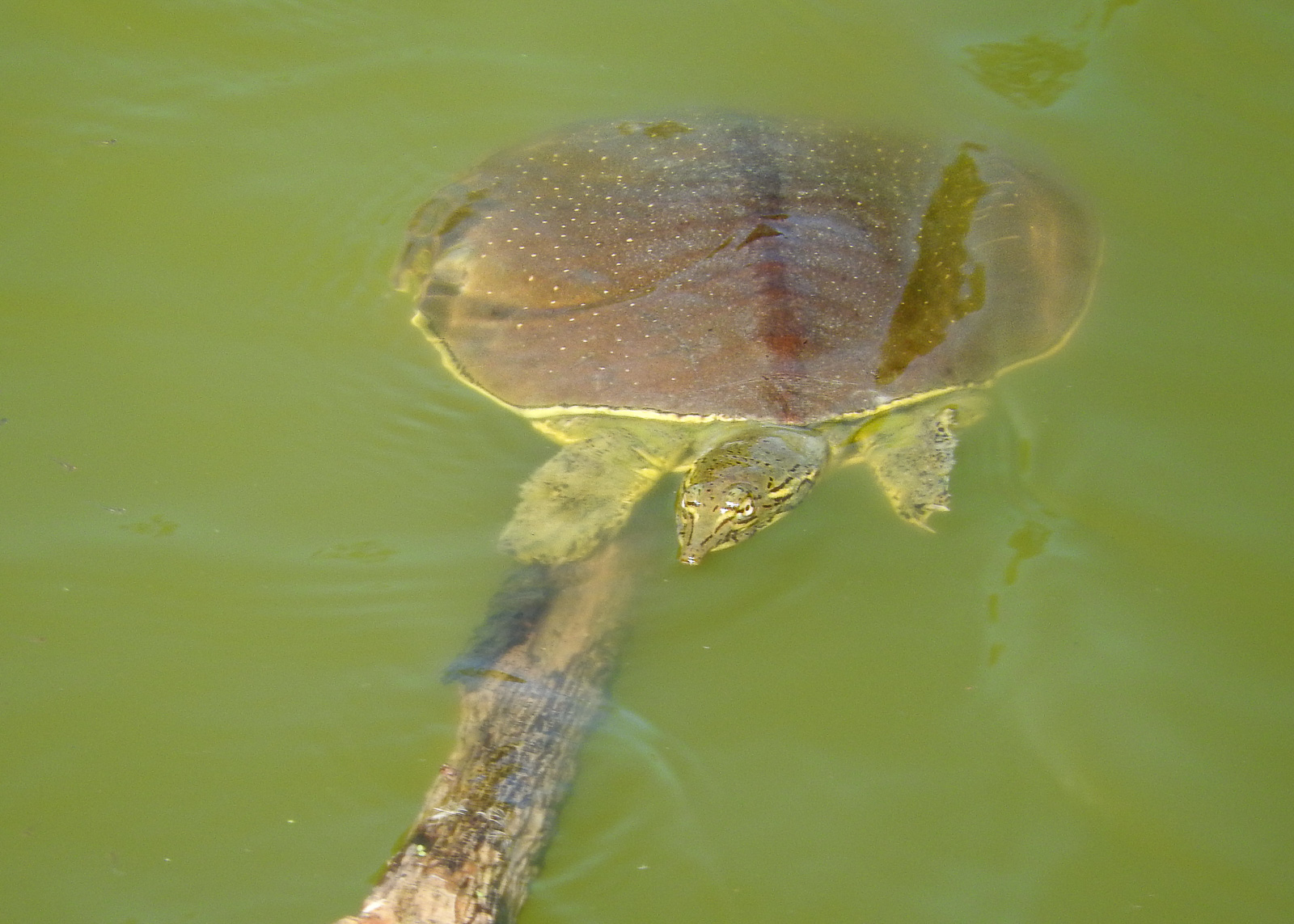
Family Trionychidae — Softshell Turtles
- Spiny Softshell Turtle (Apalone spinifera) — Texas 2024
Order Squamata — Lizards, Snakes and Worm Lizards
Squamates form the largest and most diverse order of reptiles, including lizards, snakes, and amphisbaenians. With more than 11,000 species worldwide they occupy an enormous range of habitats, from deserts and forests to oceans.
Because of the large number of species observed in this group, they are listed on a separate page.