Class Amphibia — Amphibians
Amphibians are a group of ectothermic vertebrates that typically live part of their lives in water and part on land. Most species begin life as aquatic larvae with gills and later metamorphose into air-breathing adults with lungs. Their permeable skin plays an important role in respiration and water balance, making them particularly sensitive to environmental changes. Amphibians are found on every continent except Antarctica and include frogs, toads, salamanders, and caecilians.
Orders of Amphibians
Living amphibians are divided into three main orders.
Order Anura — Frogs and Toads
This is by far the largest order of amphibians and, with more than 7,000 species, represents the vast majority of living amphibians, occurring on every continent except Antarctica. Adult anurans lack tails and have powerful hind legs adapted for jumping and swimming. Most species have a biphasic life cycle, beginning as aquatic tadpoles with gills and metamorphosing into air-breathing adults.
My Observations
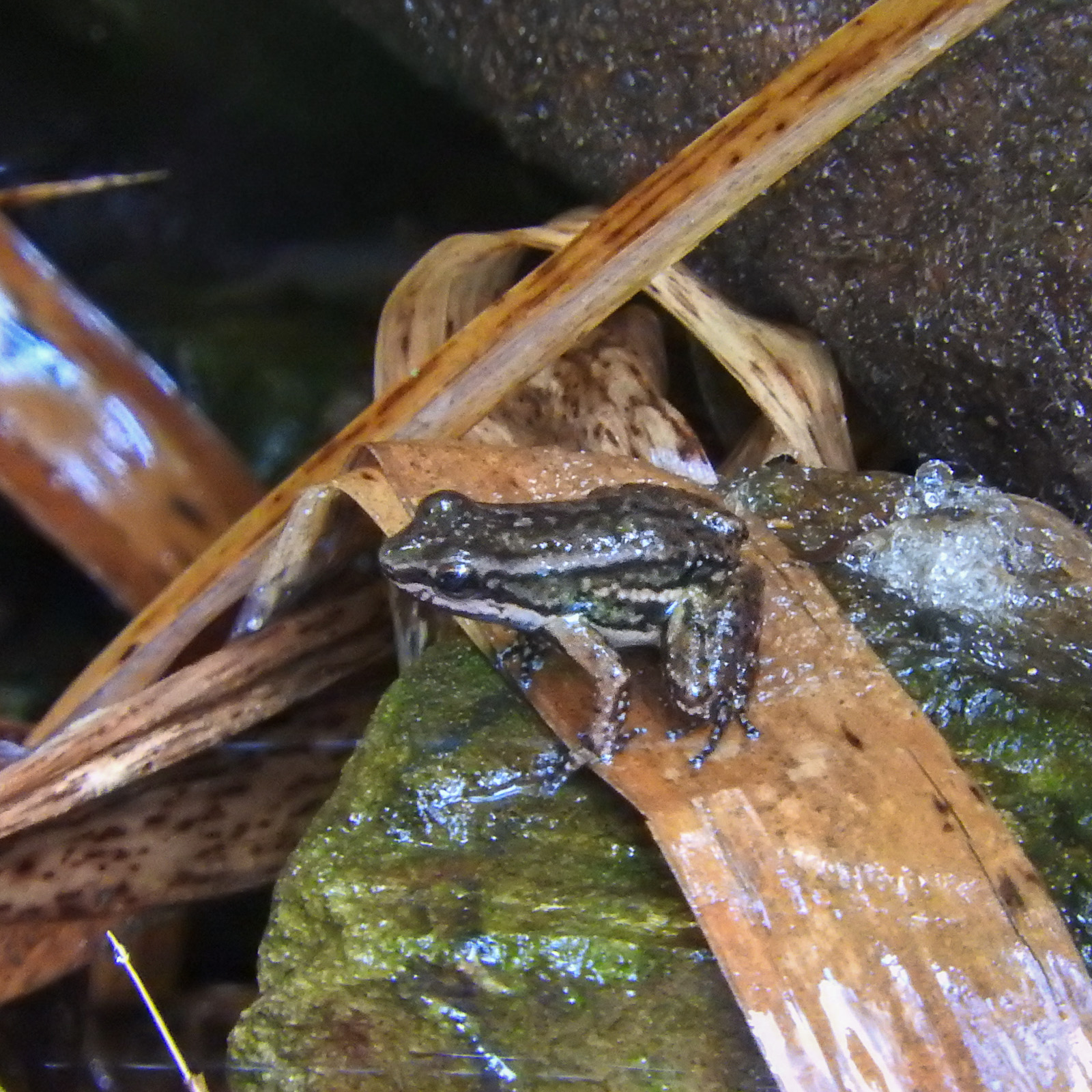
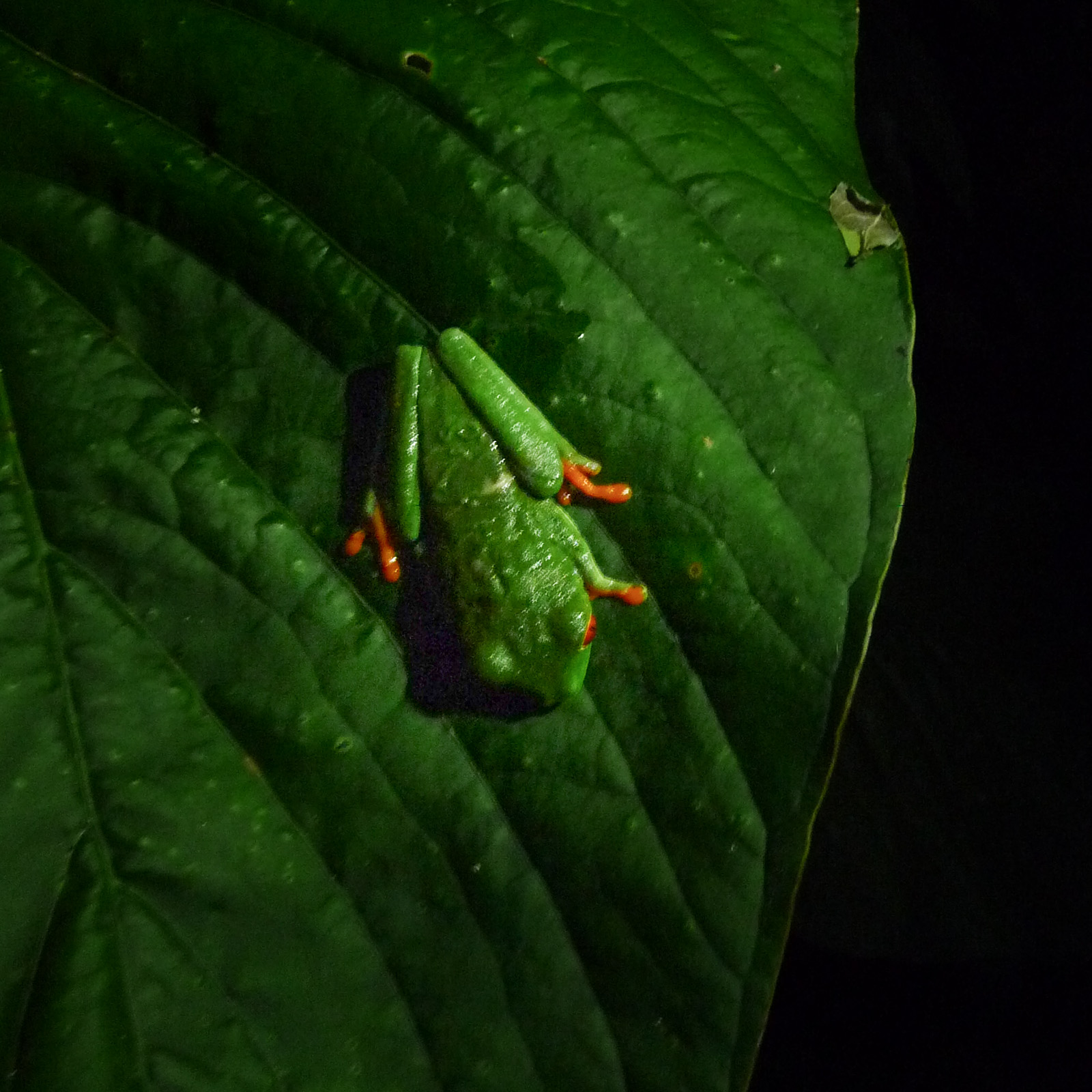
I have seen many frogs and toads at home in the UK and during travels in Europe, including the familiar Common Frog and Common Toad. Further afield the highlights were more colourful tropical species: the Strawberry Poison-dart Frog (“Blue Jeans” Poison Dart Frog) on the journey to Tortuguero in Costa Rica, the striking Red-eyed Tree Frog at Selva Verde, and a poison dart frogs found by our guide during rainforest walk. At Asa Wright in Trinidad there were numerous Yellow-throated Frogs, while in Tobago a huge Cane Toad even found its way into a fellow traveller’s bedroom. In the Amazon, night canoe rides revealed Chaco and Rusty Tree Frogs.
List of families with species I have seen
Family Aromobatidae (Cryptic Forest Frogs)
- Yellow-throated Frog / Trinidad poison frog / Trinidad Stream Frog (Mannophryne trinitatis) — Trinidad 2019
Family Bufonidae
- Manaus Tree Toad (Amazophrynella manaos) — Amazon 2024
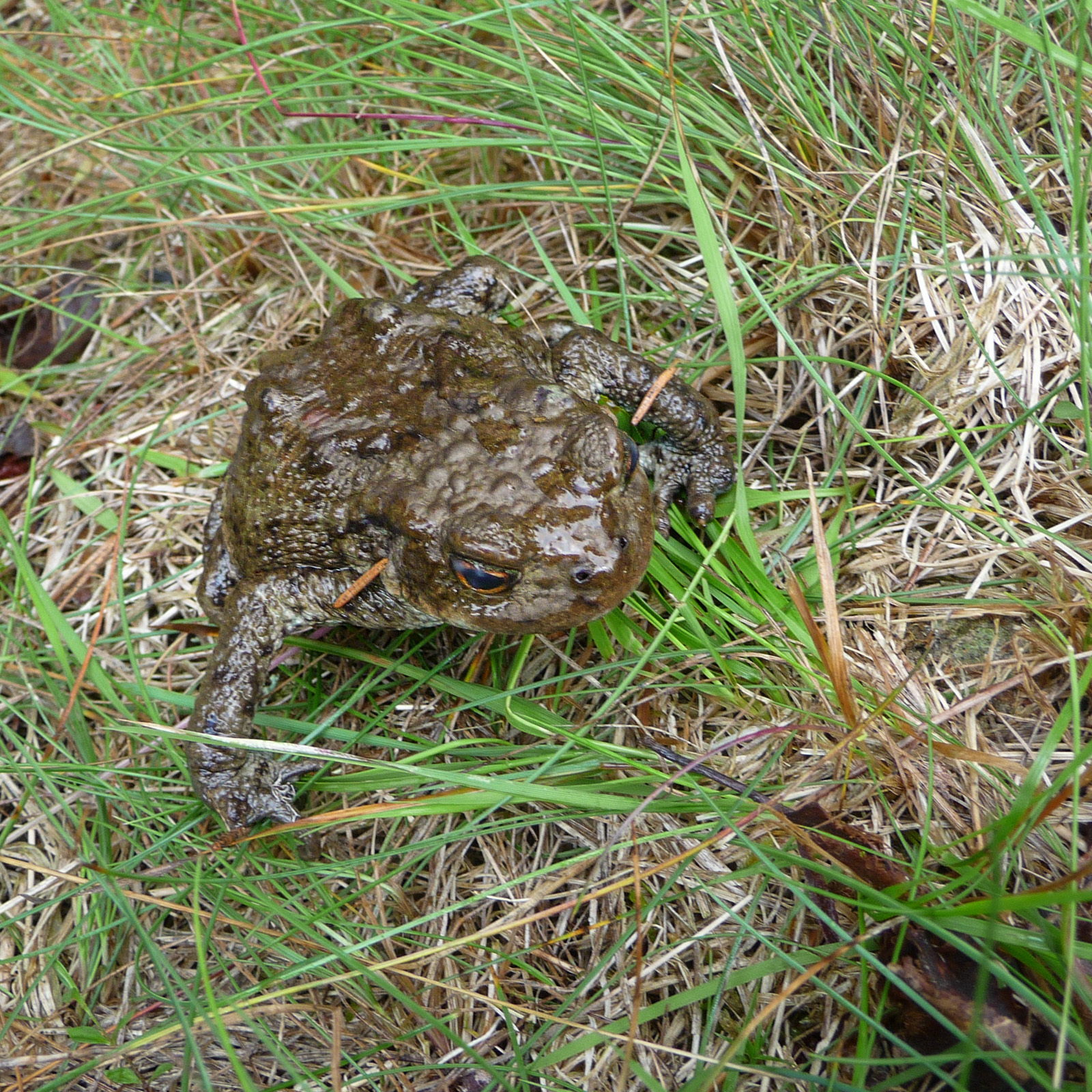
- Common Toad (Bufo bufo) — Various, UK Species
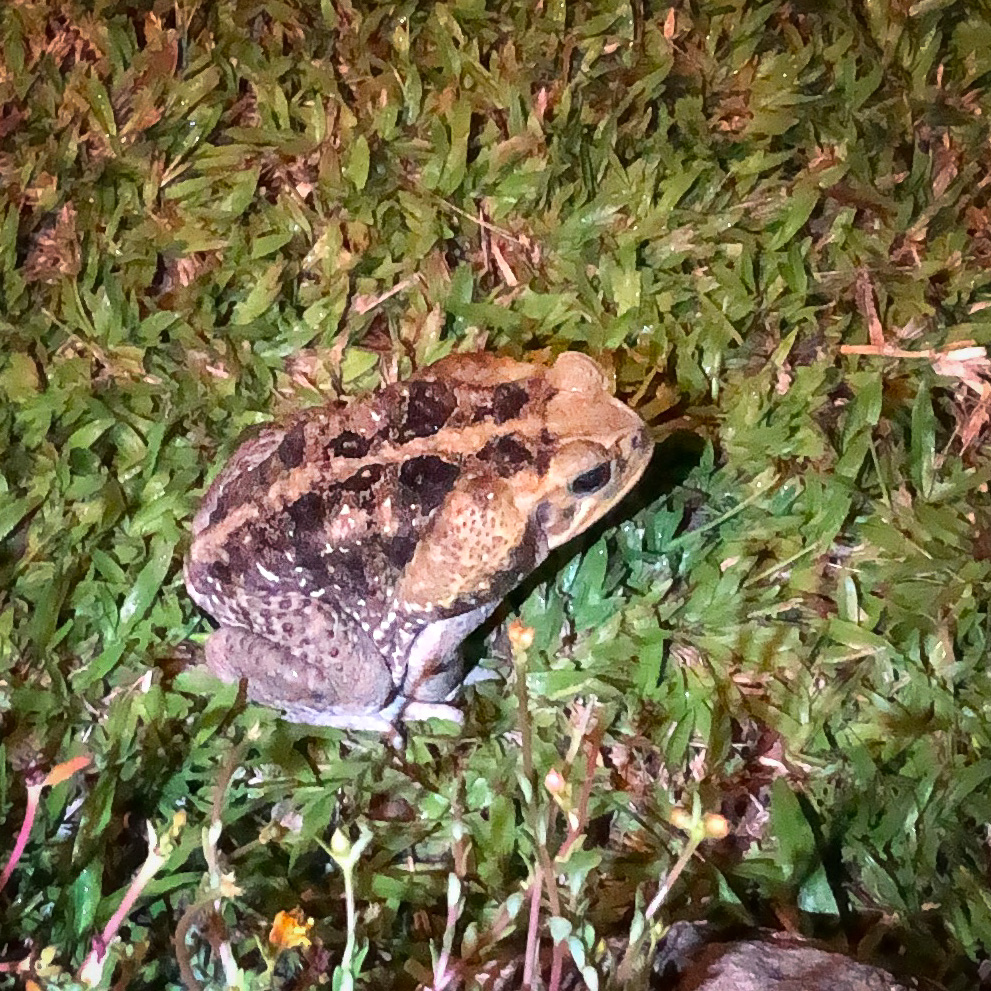
- Cane Toad (Rhinella marina) — Amazon 2024, Costa Rica 2015
Family Dendrobatidae
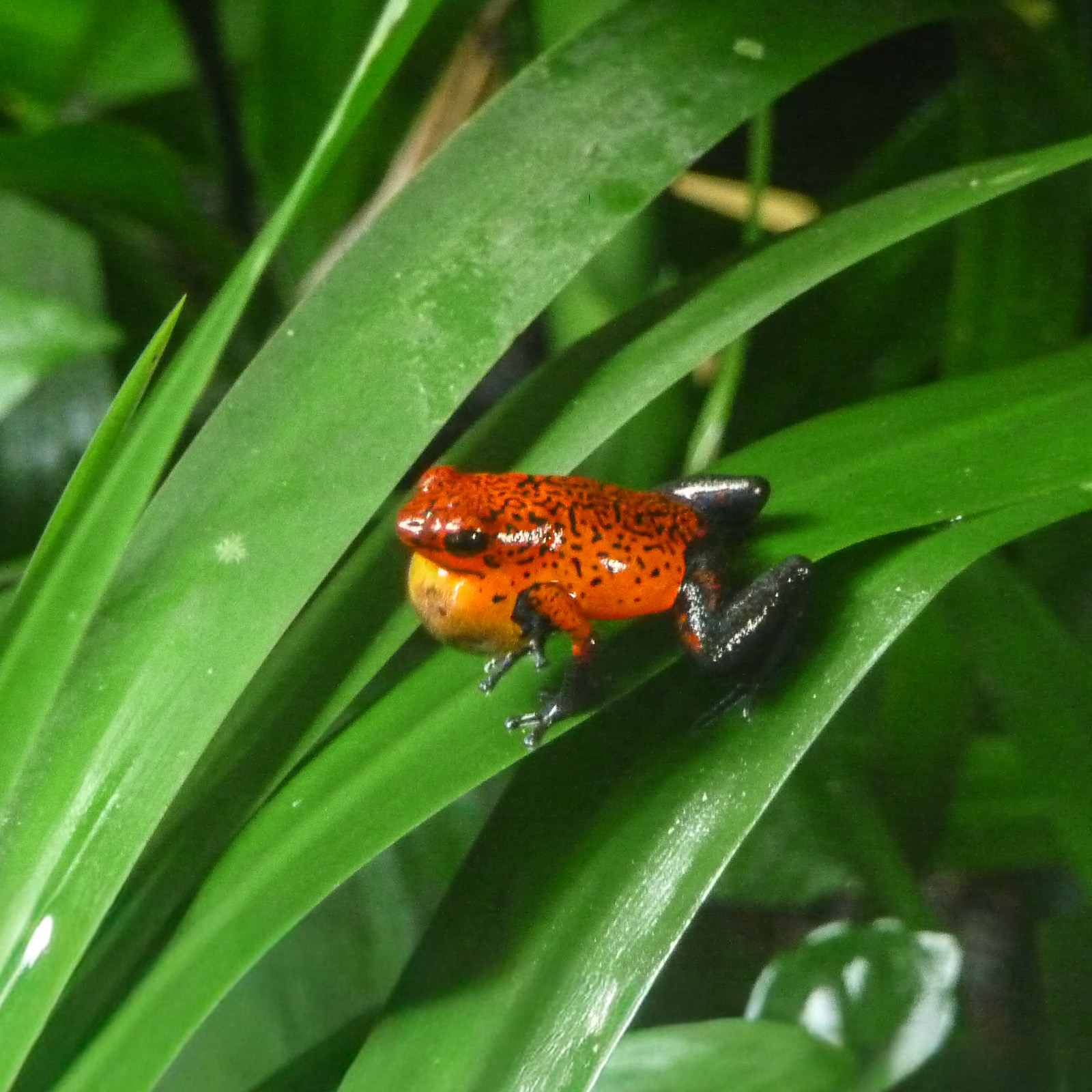
- Strawberry Poison-dart Frog (Oophaga pumilio) — Costa Rica 2015
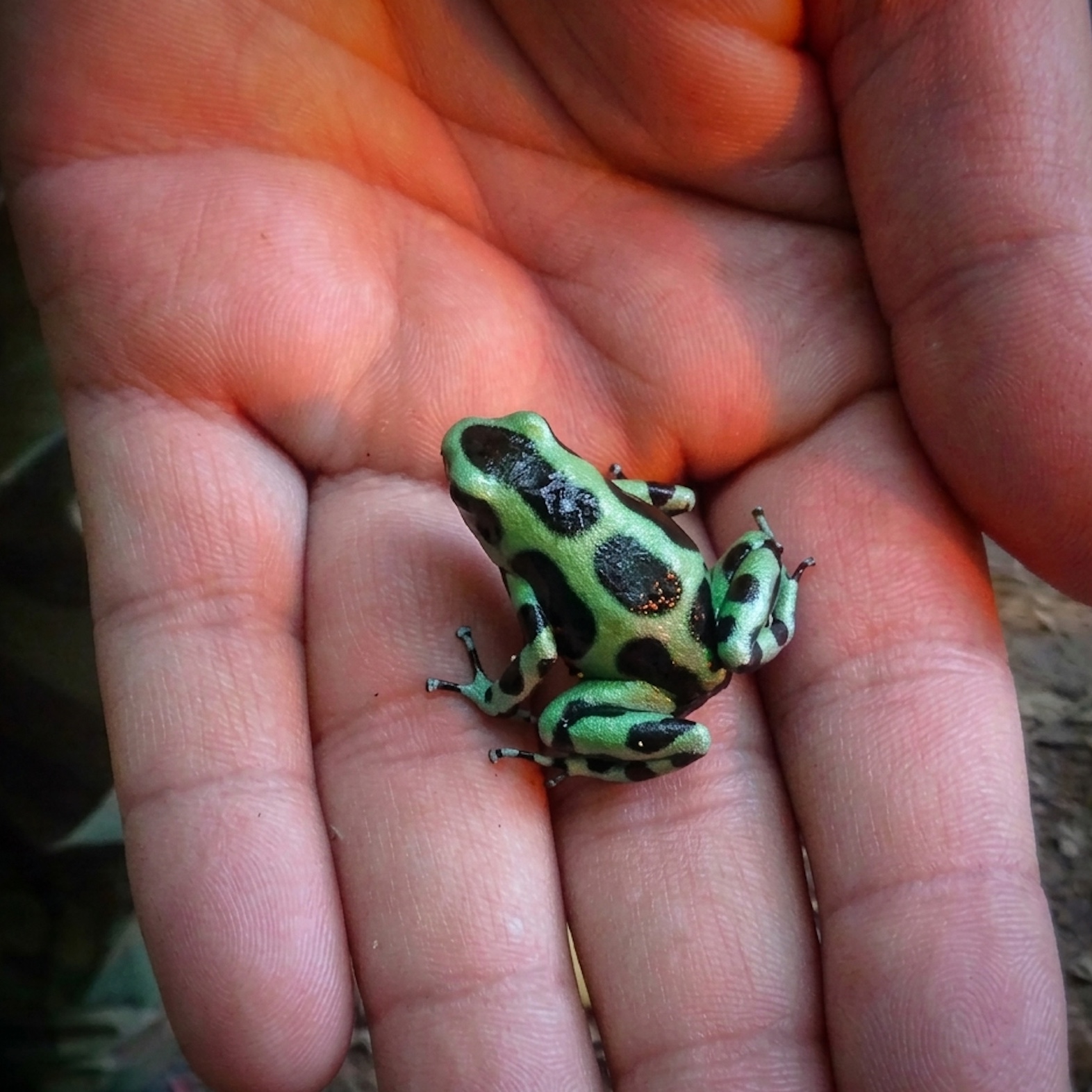
- Green-and-black Poison Dart Frog (Dendrobates auratus) — Costa Rica, 2015
Family Hylidae
- Red-eyed Tree Frog (Agalychnis callidryas) — Costa Rica 2015
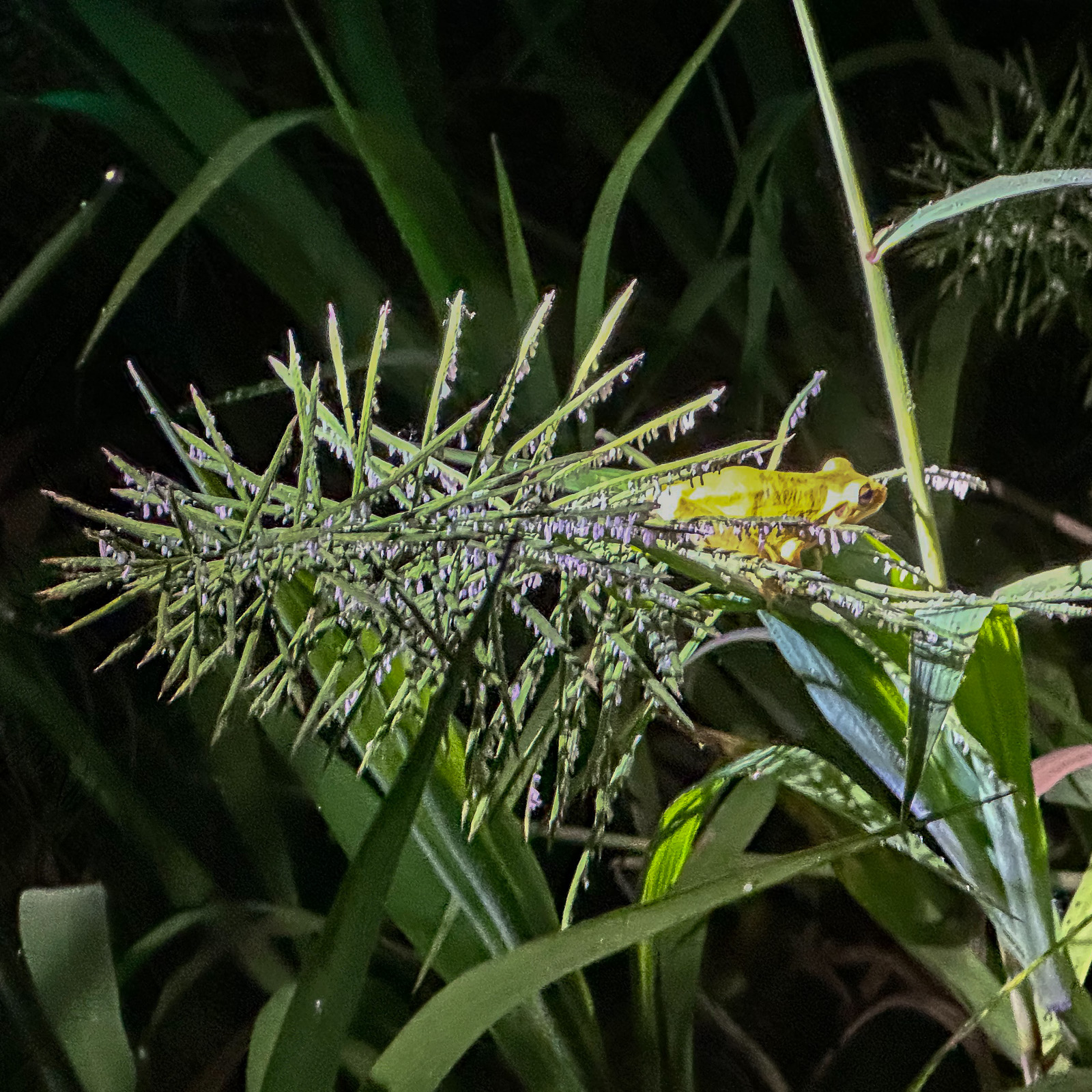
- Rusty Tree Frog (Boana boans) — Amazon 2024
- Chaco Tree Frog (Boana raniceps) — Amazon 2024
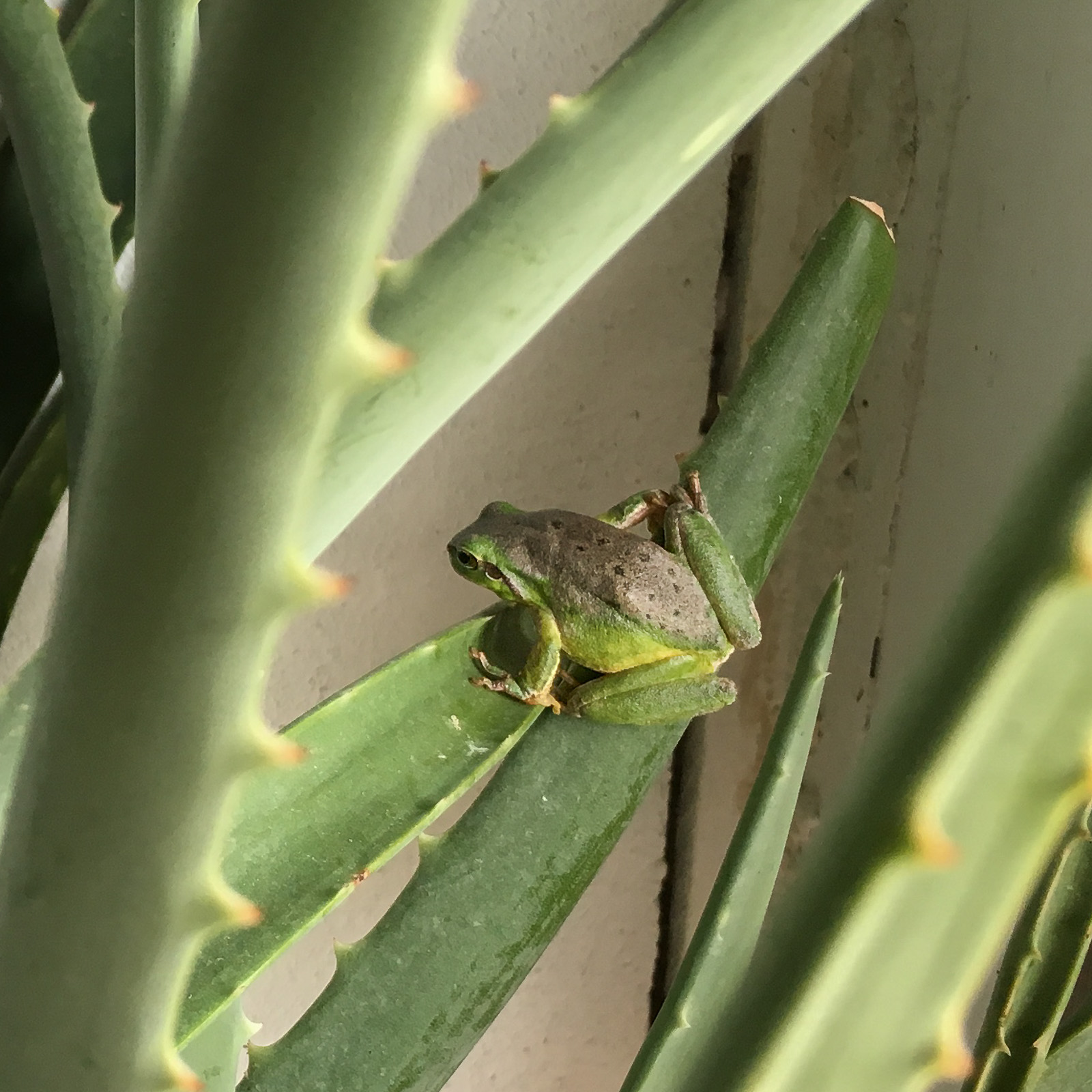
- Mediterranean Tree Frog (Hyla meridionalis) — Extremadura 2016
Family Ranidae
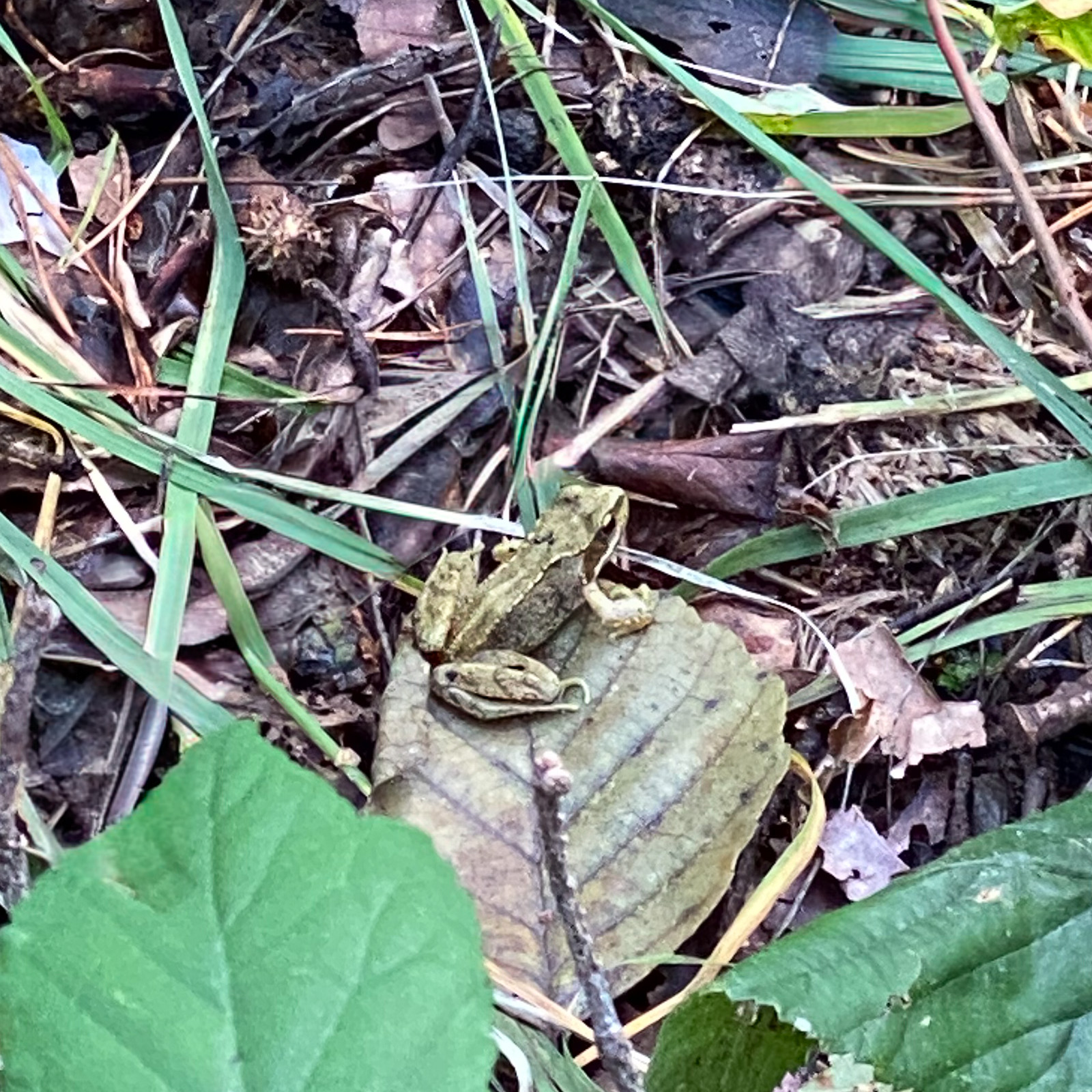
- Common Frog (Rana temporaria) — Various, UK Species
- Rio Grande Leopard Frog (Lithobates berlandieri) — Texas 2024
- American Bullfrog (Lithobates catesbeianus) — Texas 2024
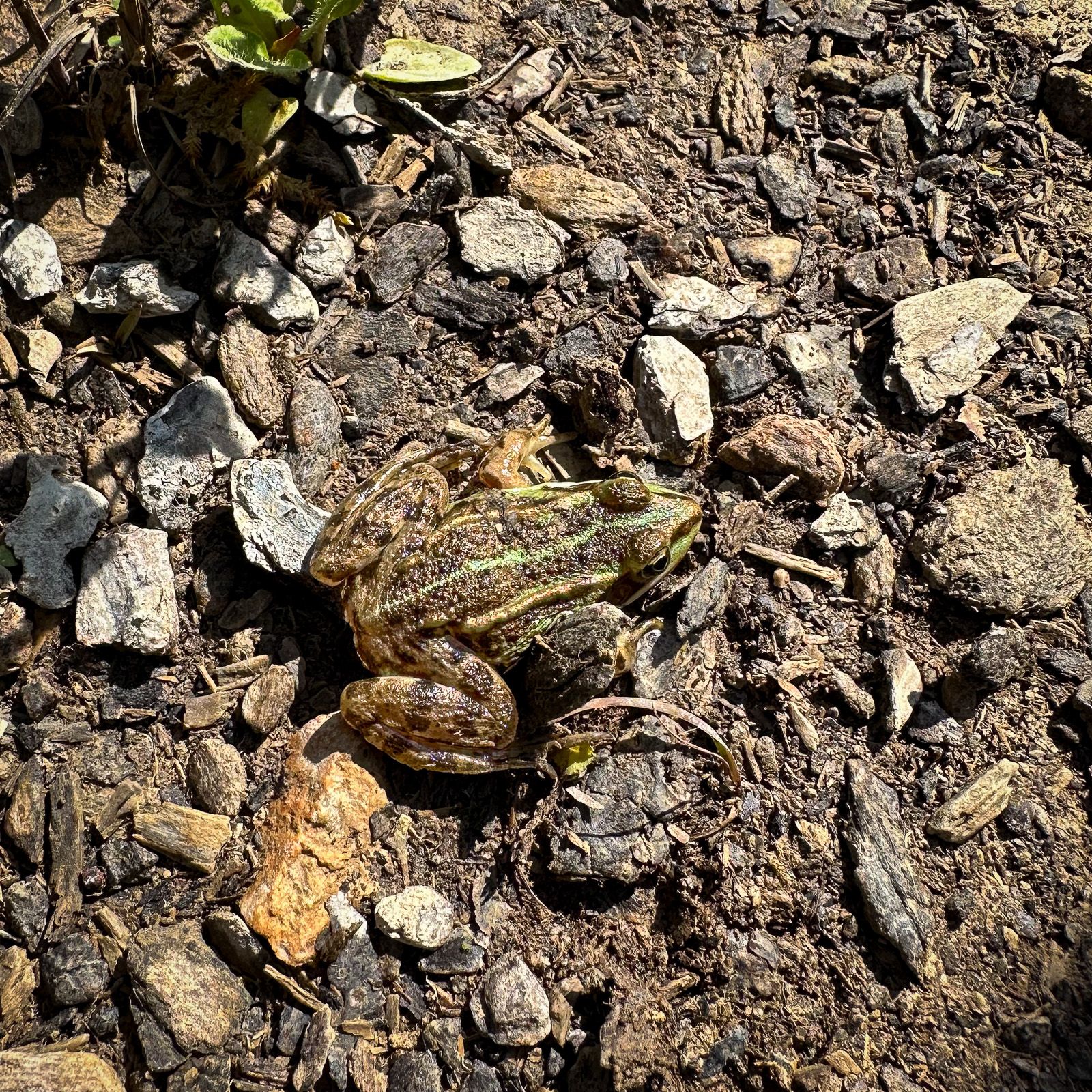
- Edible Frog (Pelophylax esculentus) — Slovenia 2024
- Marsh Frog (Pelophylax ridibundus) — Slovenia 2024
Order Caudata — Salamanders and Newts
Members of this order retain a tail throughout their lives and typically have elongated bodies with short limbs. Unlike frogs, salamanders usually move by walking rather than jumping, and many species have aquatic larvae that later metamorphose into terrestrial adults. The order contains roughly 700 species in about ten families and is most diverse in the temperate regions of the Northern Hemisphere.
My Observations
Smooth Newts regularly appear in my garden pond, although I have yet to find a Great Crested Newt there. On my local common I once came across a tiny Palmate Newt.
Families and Species I have seen
Family Salamandridae
- Smooth Newt (Lissotriton vulgaris) — Various, UK Species
- Palmate newt (Lissotriton helveticus) — Thursley Common, August 2009
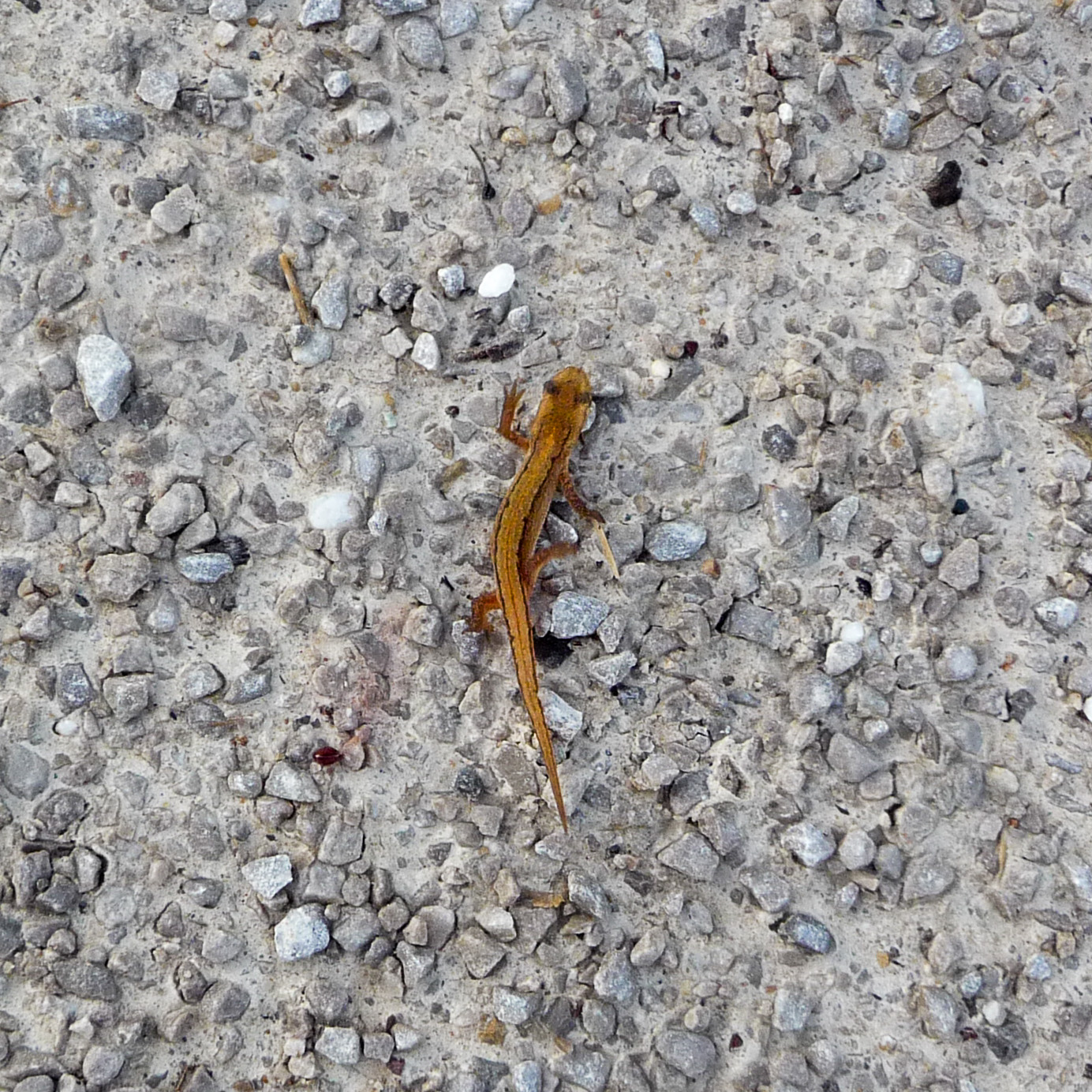
— Hunstanton, Norfolk, October 2013
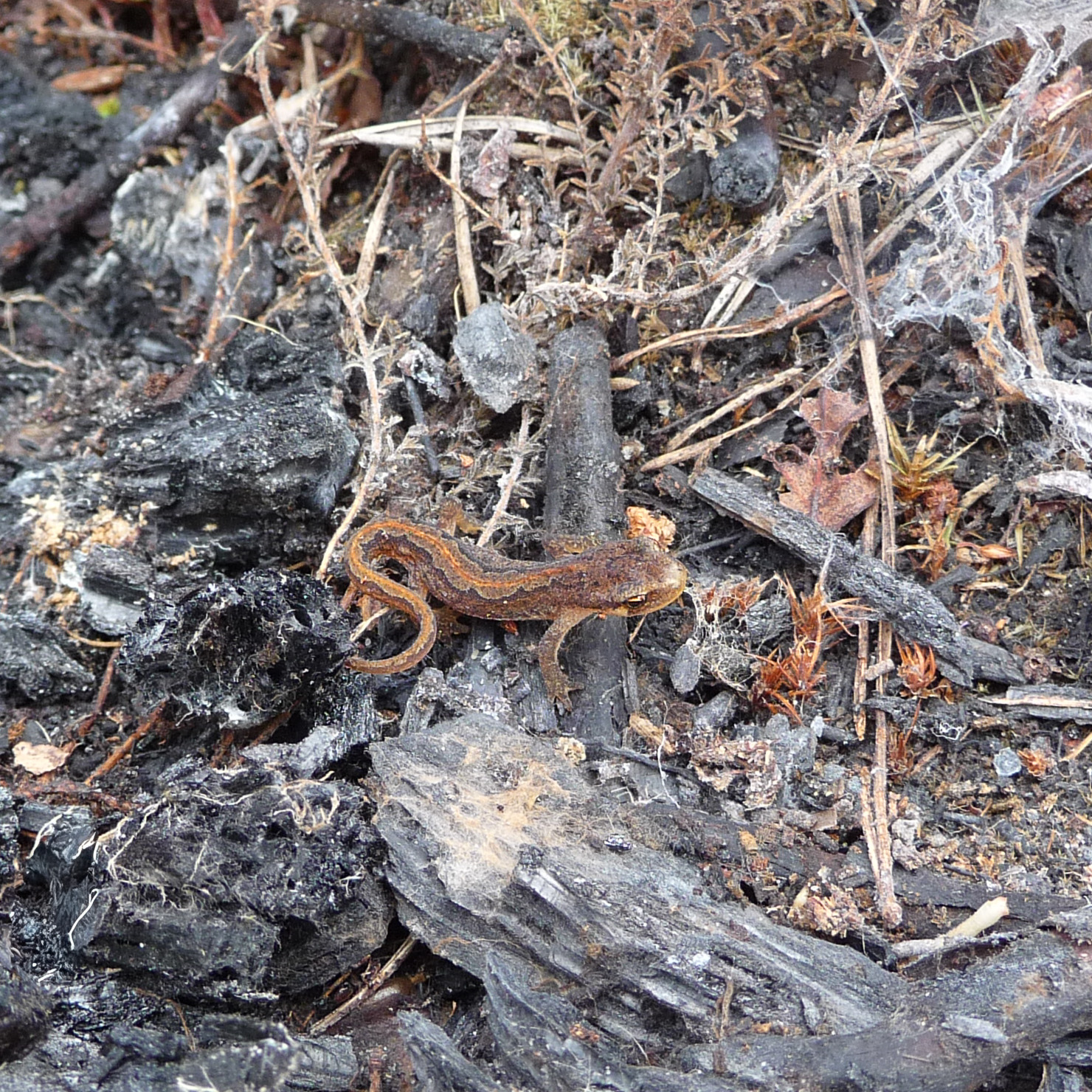
— Thursley Common, August 2009
Order Gymnophiona — Caecilians
Caecilians are limbless amphibians with long cylindrical bodies that resemble worms or snakes. Most species live underground or in muddy aquatic habitats and possess sensory tentacles between the eyes and nostrils that help them locate prey while burrowing. Although much less familiar than frogs or salamanders, caecilians occur widely across tropical regions of South and Central America, Africa, and Asia.
My Observations
I have not seen any.