Order Chiroptera — Bats
Kingdom: Animalia > Phylum: Chordata > Class: Mammalia > Order: Chiroptera
This is the second-largest order of mammals after rodents. Bats are the only mammals capable of true powered flight, using wings formed from a thin membrane stretched between elongated fingers. Most bats are nocturnal and use echolocation to navigate and locate prey in the dark.
Bats are usually divided into two main evolutionary groups: Yinpterochiroptera, which includes fruit bats and several related families, and Yangochiroptera, which contains most of the echolocating bats found around the world.
Families within Order Chiroptera
The families within each evolutionary group are listed below
Observations
The bats I have seen include insect-eating species common in Europe, nectar-feeding bats in the Caribbean, and even fishing bats on the Amazon.
Observation notes and photographs are provided below for the families in which I have recorded sightings.
American bats I’ve encountered
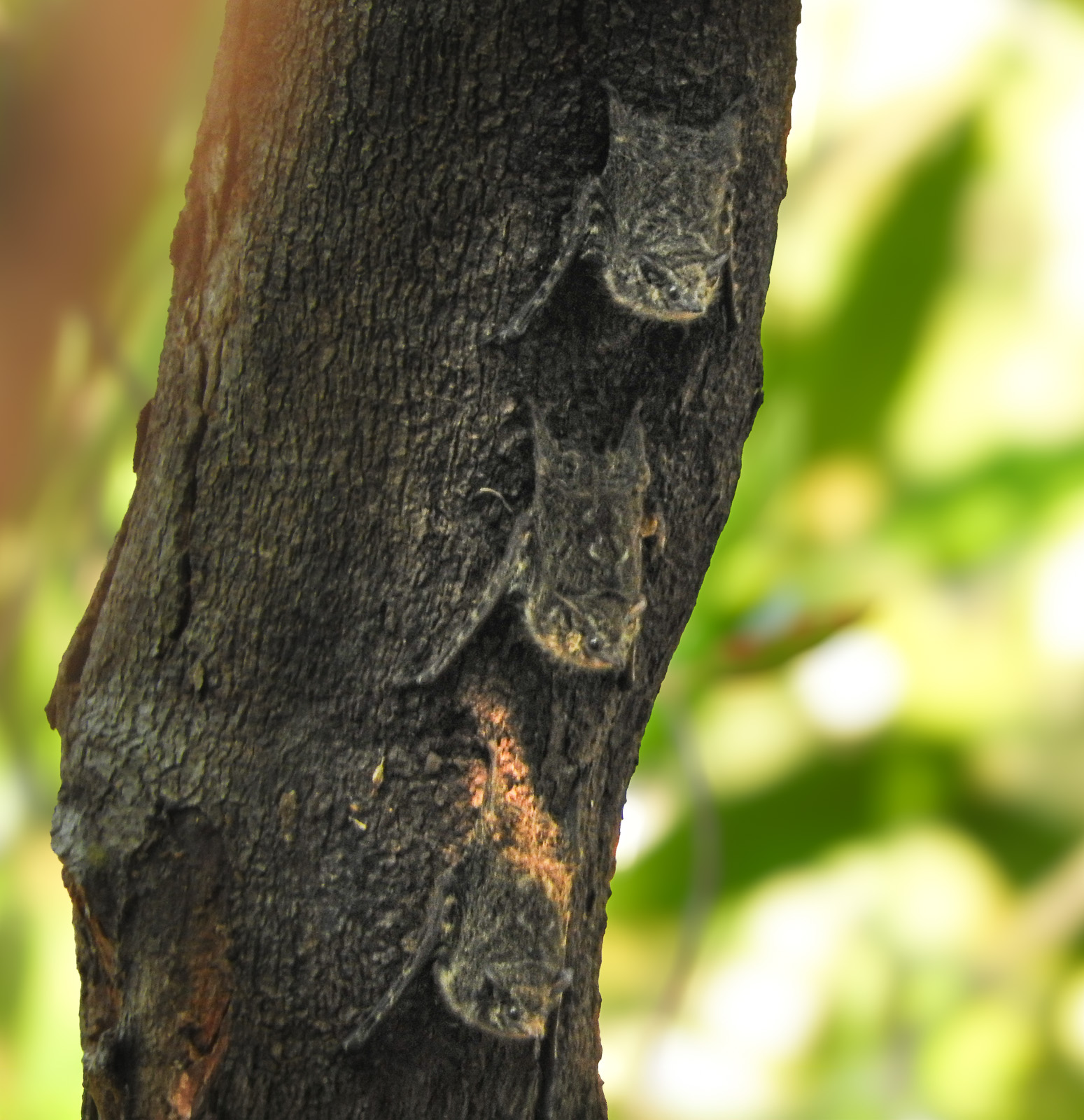
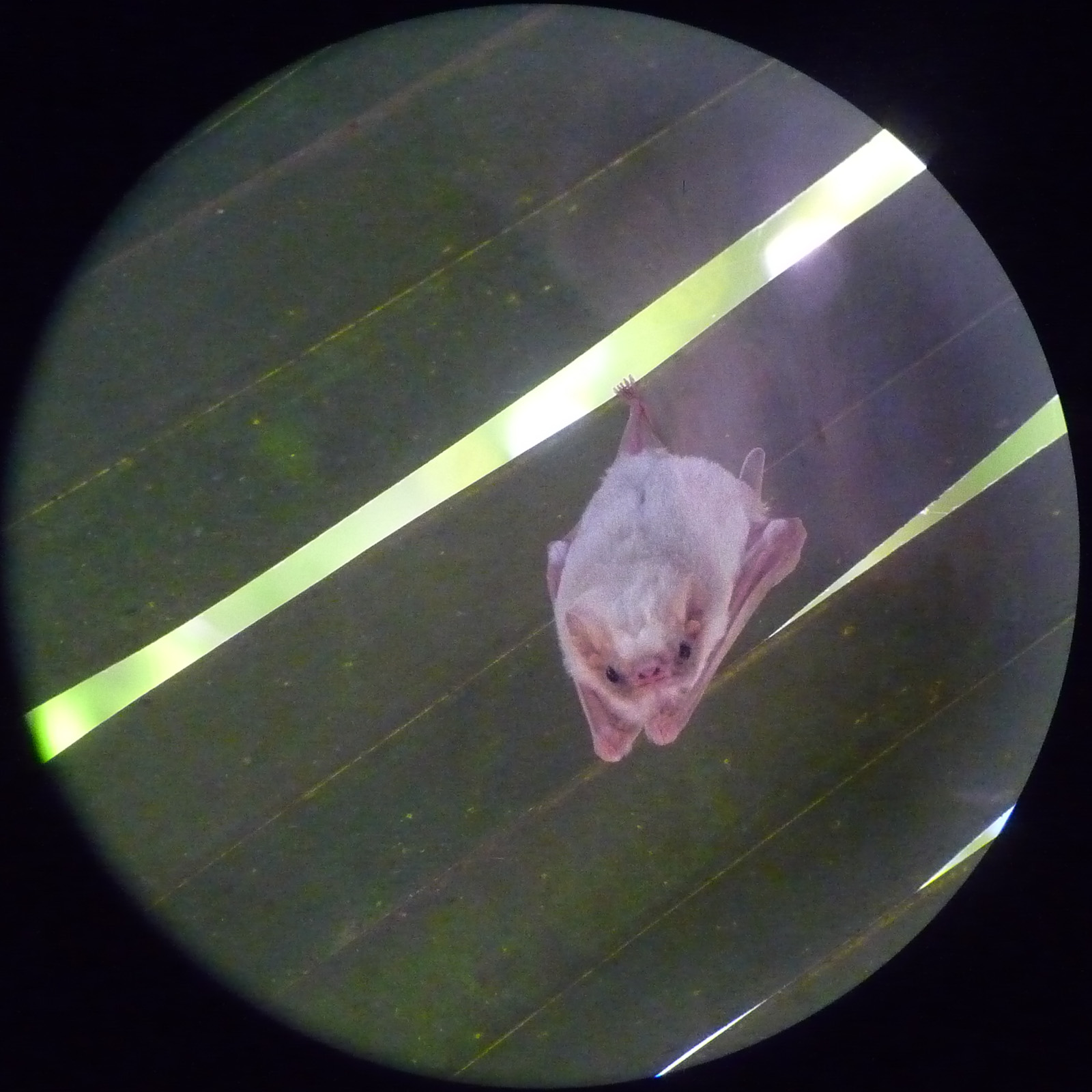
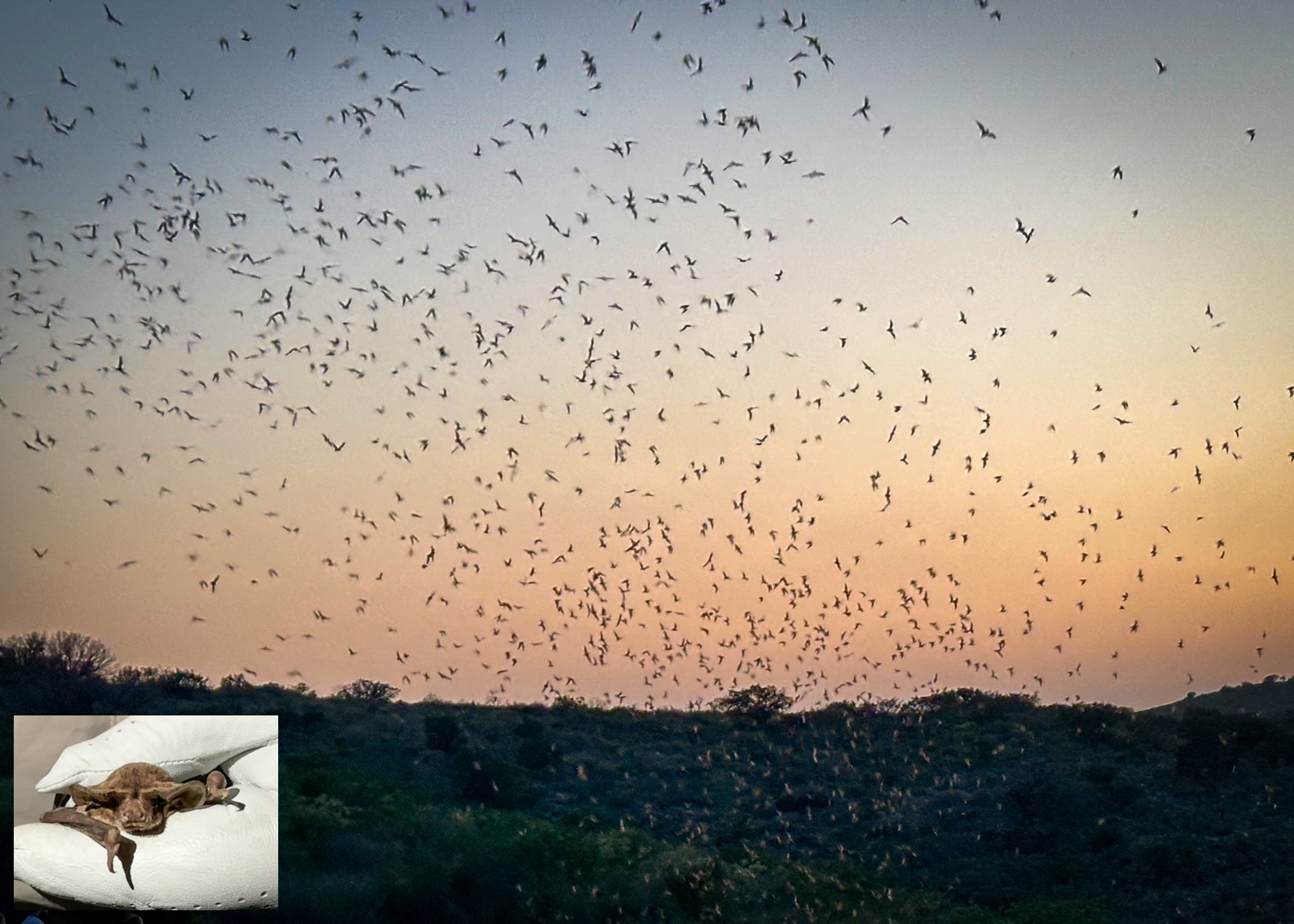
Most of the bats I have seen in the Americas were during travels in Texas and Central and South America. At Frio Bat Cave in Texas we watched huge numbers of Mexican Free-tailed Bats pouring out of the cave at dusk until the sky was full of them, with a Harris Hawk and a Merlin trying to grab a meal. In Costa Rica I saw a Ghost Bat hanging by one foot from a palm frond in the Carara forest, and on the Amazon we disturbed Proboscis Bats roosting on tree trunks where they were very well camouflaged. At Asa Wright in Trinidad we also looked at roosting Miller’s Long-tongued Bats.
Expand to view species I have seen (7)
Family Emballonuridae — Sheath-tailed Bats / Sac-winged Bats
- Northern Ghost Bat (Diclidurus albus) — Costa Rica 2015, Amazon 2024
- Proboscis Bat (Rhynchonycteris naso) — Amazon 2024
- Greater Sac-winged Bat / Long-nosed Sac-winged Bat (Saccopteryx bilineata) — Costa Rica 2015
- Lesser Sac-winged Bat / White-lined Sac-winged Bat (Saccopteryx leptura) — Trinidad & Tobago 2019
Family Phyllostomidae — New World Leaf-nosed Bats
- Miller’s Long-tongued Bat (Glossophaga longirostris) — Trinidad & Tobago 2019
Family Noctilionidae — Fishing Bats / Bulldog Bats
- Greater Bulldog Bat / Greater Fishing Bat (Noctilio leporinus) — Amazon 2024
Family Molossidae — Free-tailed Bats
- Mexican Free-tailed Bat (Tadarida brasiliensis) — Texas 2024

European bats I’ve encountered
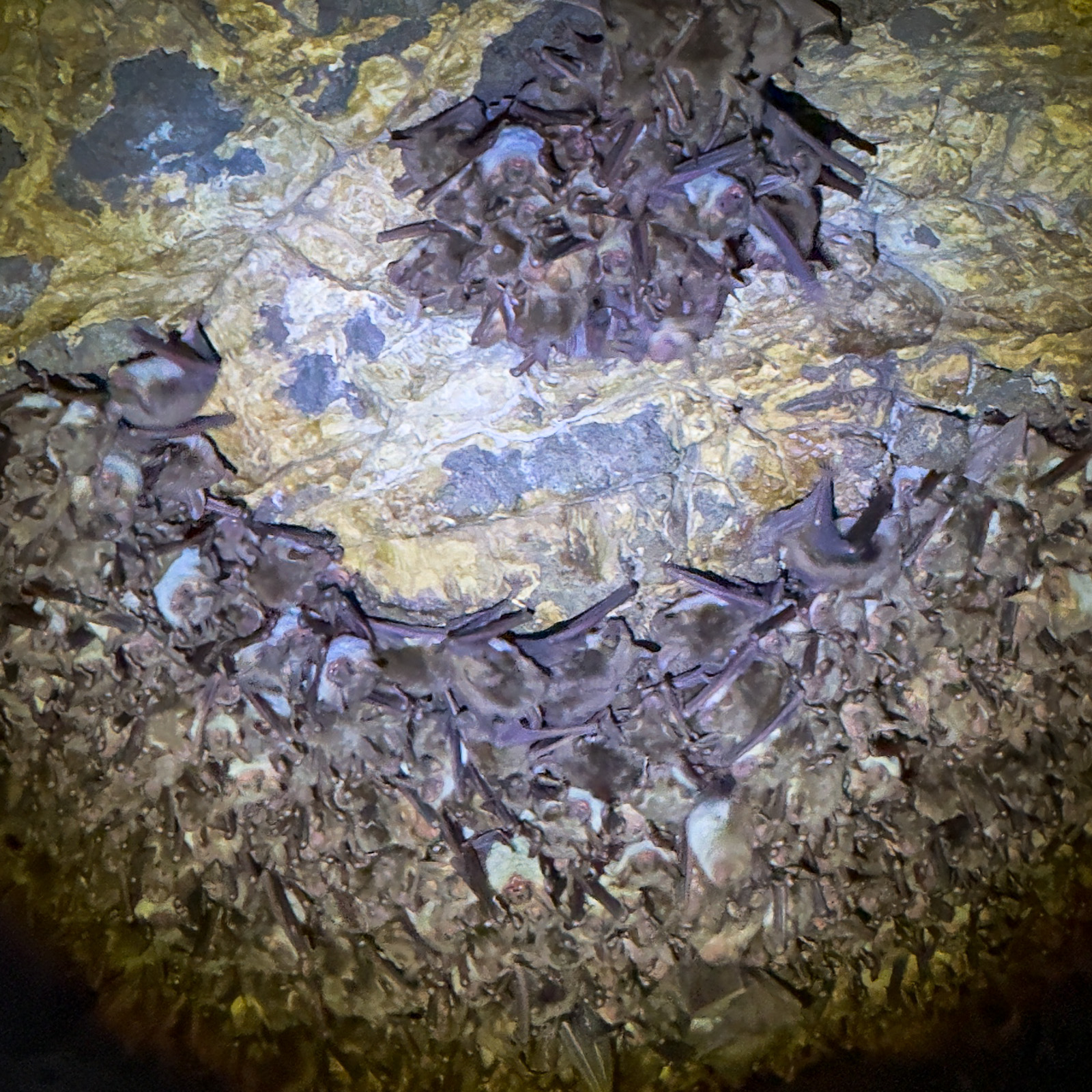
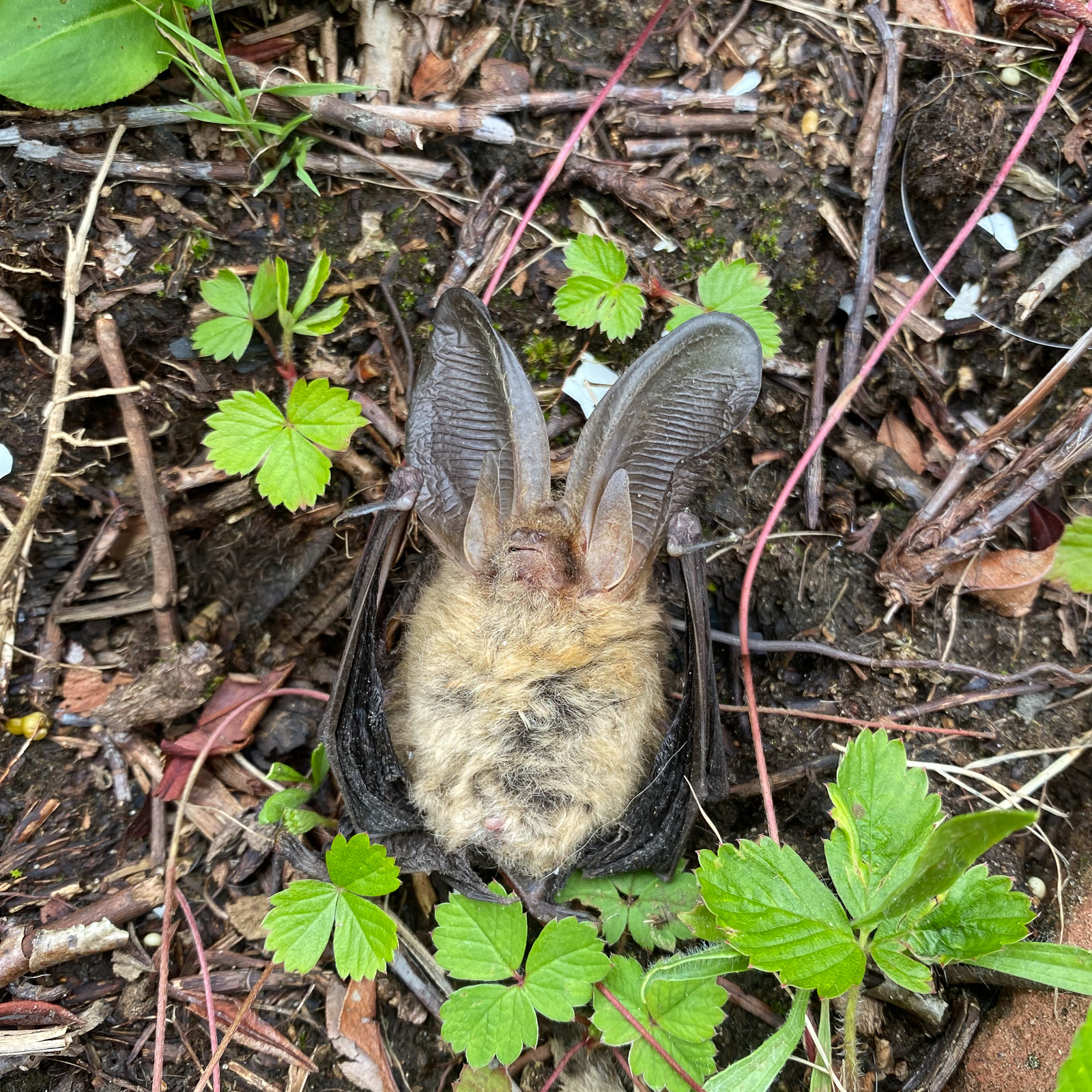
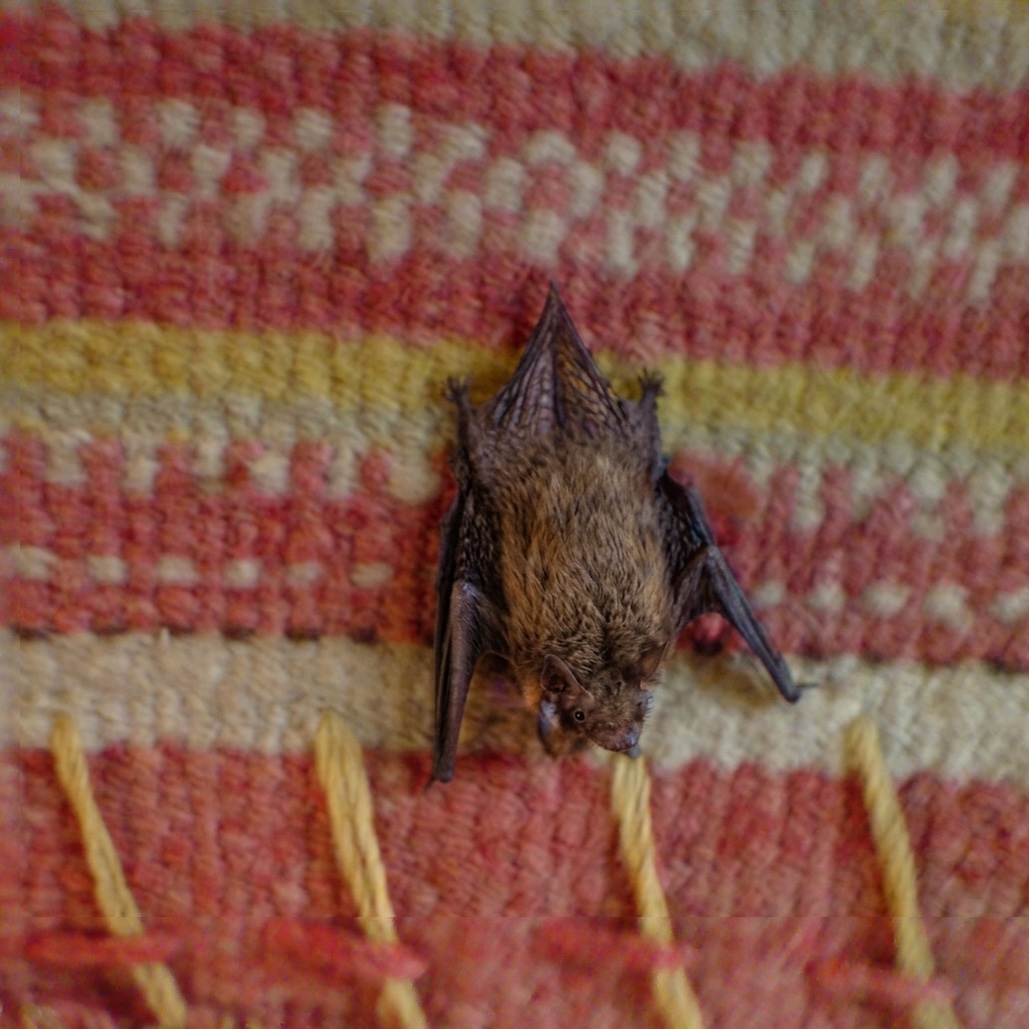
I have seen a few bats closer to home as well. In Herzegovina we walked through an old railway tunnel that was home to a colony of roosting bats. In the UK I often see bats flying around at dusk, and on one occasion a Pipistrelle ended up hanging on a wooden wall decoration in my living room and took some persuading to go back outside. Another time the cats brought in a dead Long-eared Bat, though how they managed to catch it I have no idea.
Expand to view species I have seen (3)
Family Vespertilionidae — vesper bats / evening bats
- Common Pipistrelle (Pipistrellus pipistrellus) — Elstead
- Brown Long-eared Bat (Plecotus auritus) — Elstead
- Mouse-eared Bats (Myotis myotis complex) — Herzegovina 2025