Other Mammal Orders
The mammals on this page belong to a few other groups that I have only encountered occasionally. These include sloths in the tropical forests of Central and South America, opossums in the Americas, and some familiar insect-eating mammals from Europe such as hedgehogs and moles.
Order Pilosa — Sloths and Anteaters
Kingdom: Animalia > Phylum: Chordata > Class: Mammalia > Order: Pilosa
Pilosa is one of the distinctive mammal groups of Central and South America. The order contains the slow-moving tree-dwelling sloths as well as the specialised ant- and termite-eating anteaters.
The families are listed below
- Bradypodidae — Three-toed Sloths
- Megalonychidae — Two-toed Sloths
- Cyclopedidae — Silky Anteaters
- Myrmecophagidae — Giant Anteaters and Tamanduas
My Observations
Sloths are another memorable mammal from my travels in Central and South America. On a boat trip on the Caroni Swamp in Trinidad we came across a sleeping Silky Anteater. At La Selva Biological Station in Costa Rica we watched a Brown-throated Three-toed Sloth doing what sloths do best — hanging quietly in the trees. During a night canoe trip on the Amazon we were surprised to see several more, eventually counting nine during the evening.
Species I have seen (3)
Family Bradypodidae
- Brown-throated Three-toed Sloth (Bradypus variegatus) — Costa Rica 2015, Amazon 2024
Family Cyclopedidae
- Northeastern Silky Anteater (Cyclopes didactylus) — Trinidad 2019
Family Megalonychidae
- Hoffmann’s Two-toed Sloth (Choloepus hoffmanni) — Costa Rica 2015
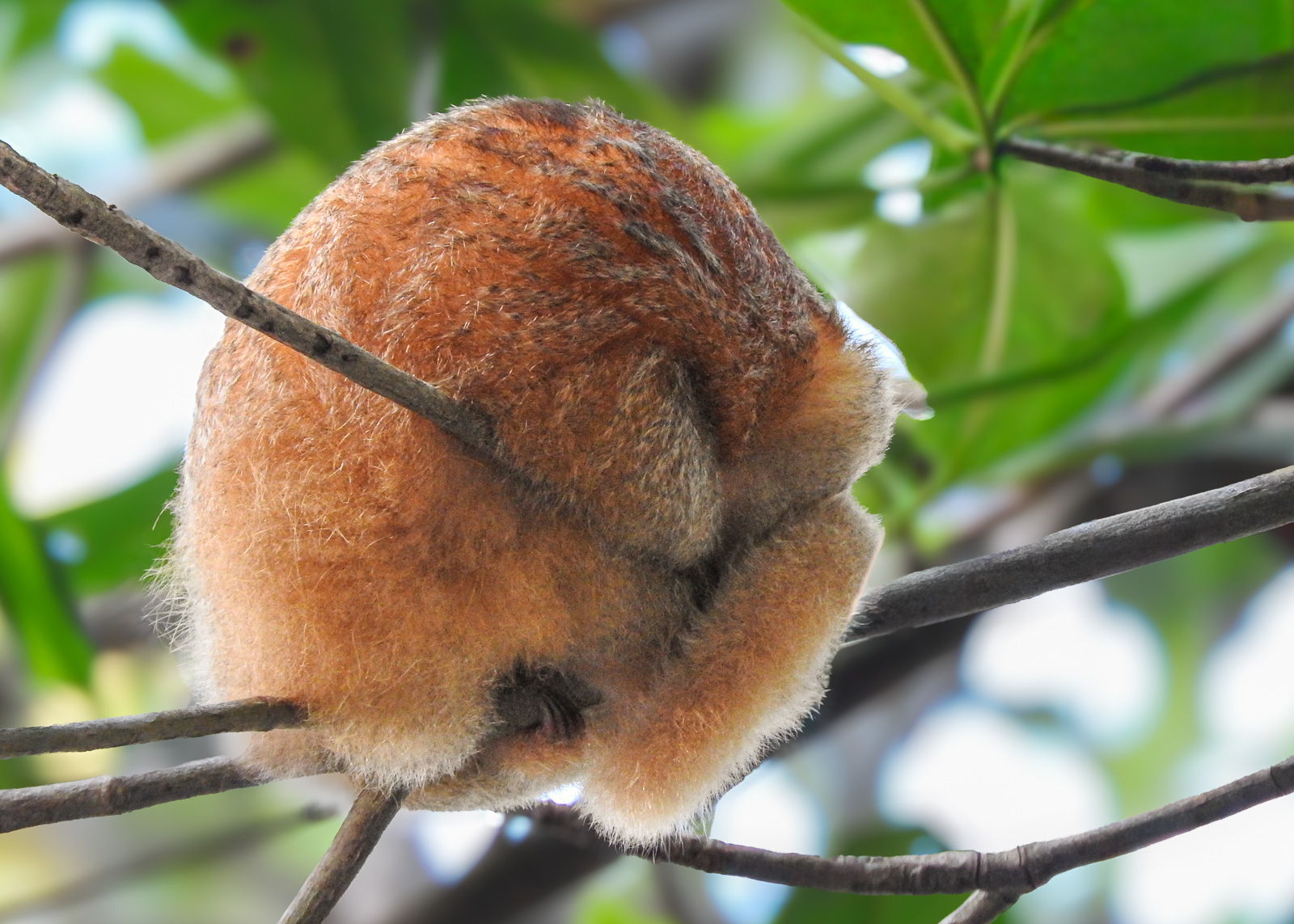
— Caroni Swamp, Trinidad, April 2019
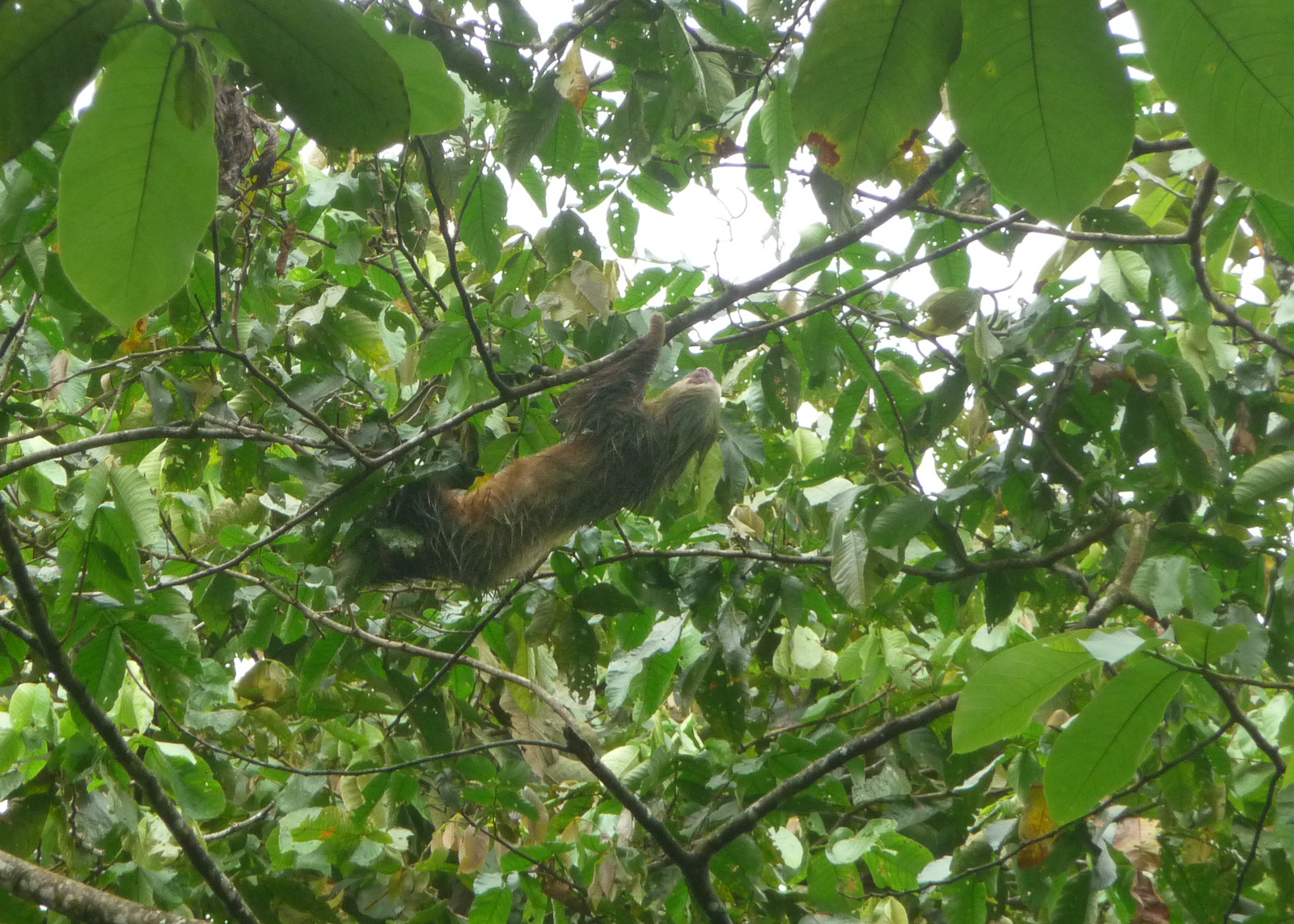
— La Selva, Costa Rica, February 2015
Order Didelphimorphia — Opossums
Kingdom: Animalia > Phylum: Chordata > Class: Mammalia > Order: Didelphimorphia
Didelphimorphia is the order that contains the American opossums, the only group of marsupials native to the Americas. Most species are nocturnal and live in forests where they feed on a wide variety of foods.
The families are listed below:
- Didelphidae — Opossums
My observations
I have come across opossums a couple of times during my travels in the Americas. In Texas we spotted a Virginia Opossum walking through the scrub behind a pond at Boy Scout Woods in High Island. Later, during a night canoe ride on the Amazon, we also saw an opossum while exploring the forest channels after dinner.
Species I have seen (3)
- Common Opossum (Didelphis marsupialis) — Trinidad & Tobago 2019, Amazon 2024
- Virginia Opossum (Didelphis virginiana) — Texas 2024
- Brown Four-eyed Opossum (Metachirus nudicaudatus) — Amazon 2024
Order Eulipotyphla — Shrews, Moles and Hedgehogs
Kingdom: Animalia > Phylum: Chordata > Class: Mammalia > Order: Eulipotyphla
Eulipotyphla is a group of small insect-eating mammals that includes shrews, moles, hedgehogs and their relatives. Most are secretive animals that spend much of their time underground or hidden in vegetation.
The families are listed below:
- Erinaceidae — Hedgehogs and Gymnures
- Soricidae — Shrews
- Talpidae — Moles, Shrew-moles and Desmans
- Solenodontidae — Solenodons
My Observations
Hedgehogs are animals I have seen several times in the UK, including in my old garden. They are always a welcome sight. The photograph here was taken at the British Wildlife Centre. I have also occasionally come across moles on local walks, including one I photographed after finding it dead on a path.
Species I have seen (2)
Family Erinaceidae
- Common Hedgehog (Erinaceus europaeus) — Various, UK Species
Family Talpidae
- European Mole (Talpa europaea) — Various, UK Species

— at the British Wildlife Centre, March 2017
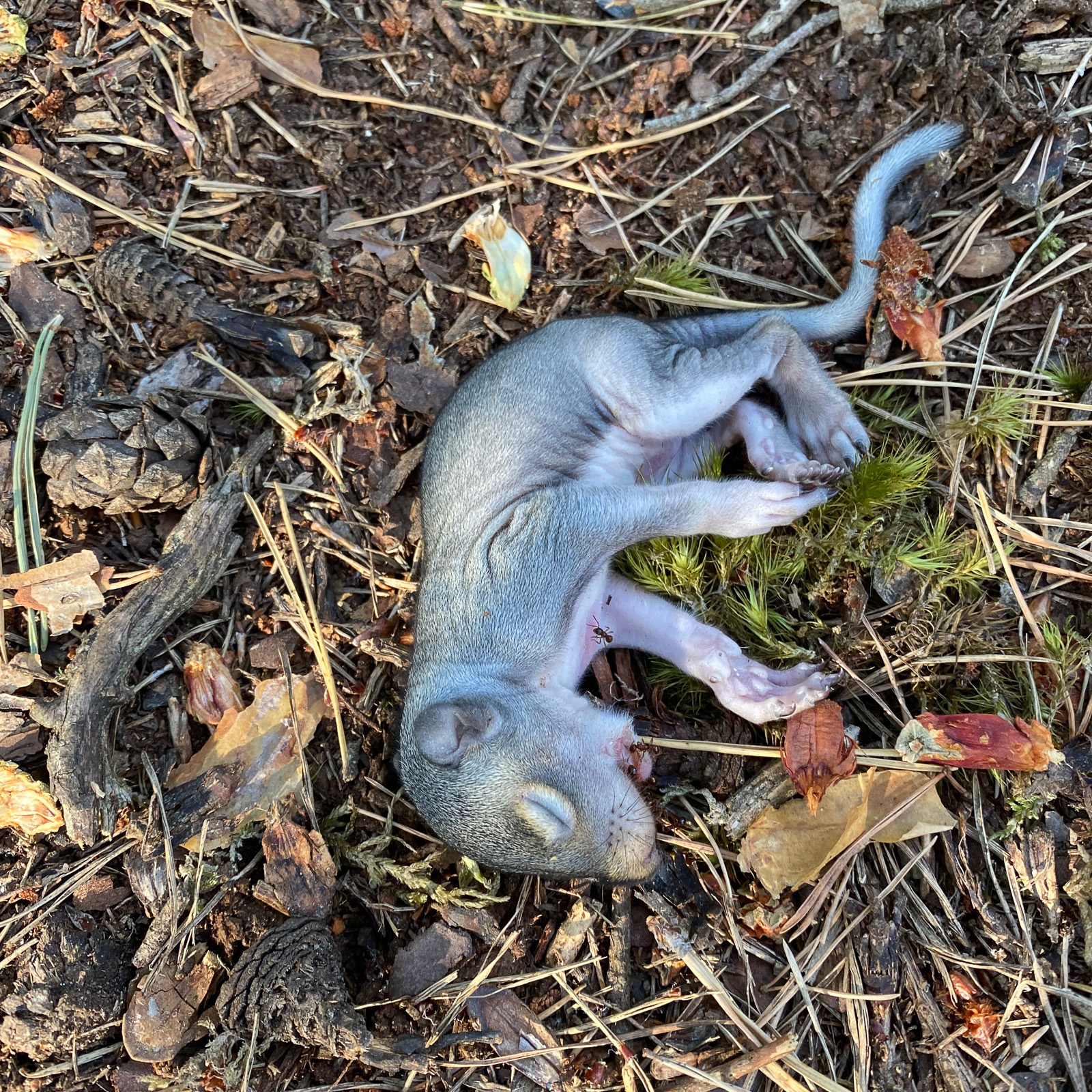
— Rodborrough Common, Elstead 2022