Fish — Several classes
Fish are treated here as a practical grouping of aquatic vertebrates across several classes rather than a single formal taxonomic unit. These include the ray-finned fishes, lobe-finned fishes and the cartilaginous fishes (sharks, rays and chimaeras), as well as the more primitive jawless fishes such as lampreys and hagfishes.
Despite their diversity, these animals share a number of broad features. They live in water, breathe primarily through gills, and have fins rather than limbs. More than 34,000 species are known worldwide, occupying almost every aquatic habitat from deep oceans to mountain streams.
Fish represent several very ancient vertebrate lineages that diverged hundreds of millions of years ago, which is why modern classification recognises multiple classes rather than a single group.
Classes of Fish
- Actinopterygii — Ray-finned Fishes
The largest and most diverse, characterised by fins supported by bony rays and including most familiar freshwater and marine species. - Chondrichthyes — Cartilaginous Fishes (Sharks, Rays & Chimaeras)
Fishes with skeletons made of cartilage rather than bone, including sharks, rays and chimaeras. - Sarcopterygii — Lobe-finned Fishes
A small but evolutionarily important group with fleshy, limb-like fins that gave rise to the first land vertebrates. - Cephalaspidomorphi — Lampreys
Primitive jawless fishes with eel-like bodies and a circular suction-cup mouth used to attach to other fish. - Myxini — Hagfishes
Deep-sea jawless scavengers famous for producing large quantities of defensive slime.
Jump to observations: Ray-finned Fishes | Sharks & Rays
Class Actinopterygii — Ray-finned Fishes
Ray‑finned fishes form the largest and most diverse group of vertebrates. Their fins are supported by slender bony rays rather than fleshy lobes, and they occur in almost all freshwater and marine environments. The group includes familiar fishes such as minnows, cod, salmon and many tropical reef species.
My observations
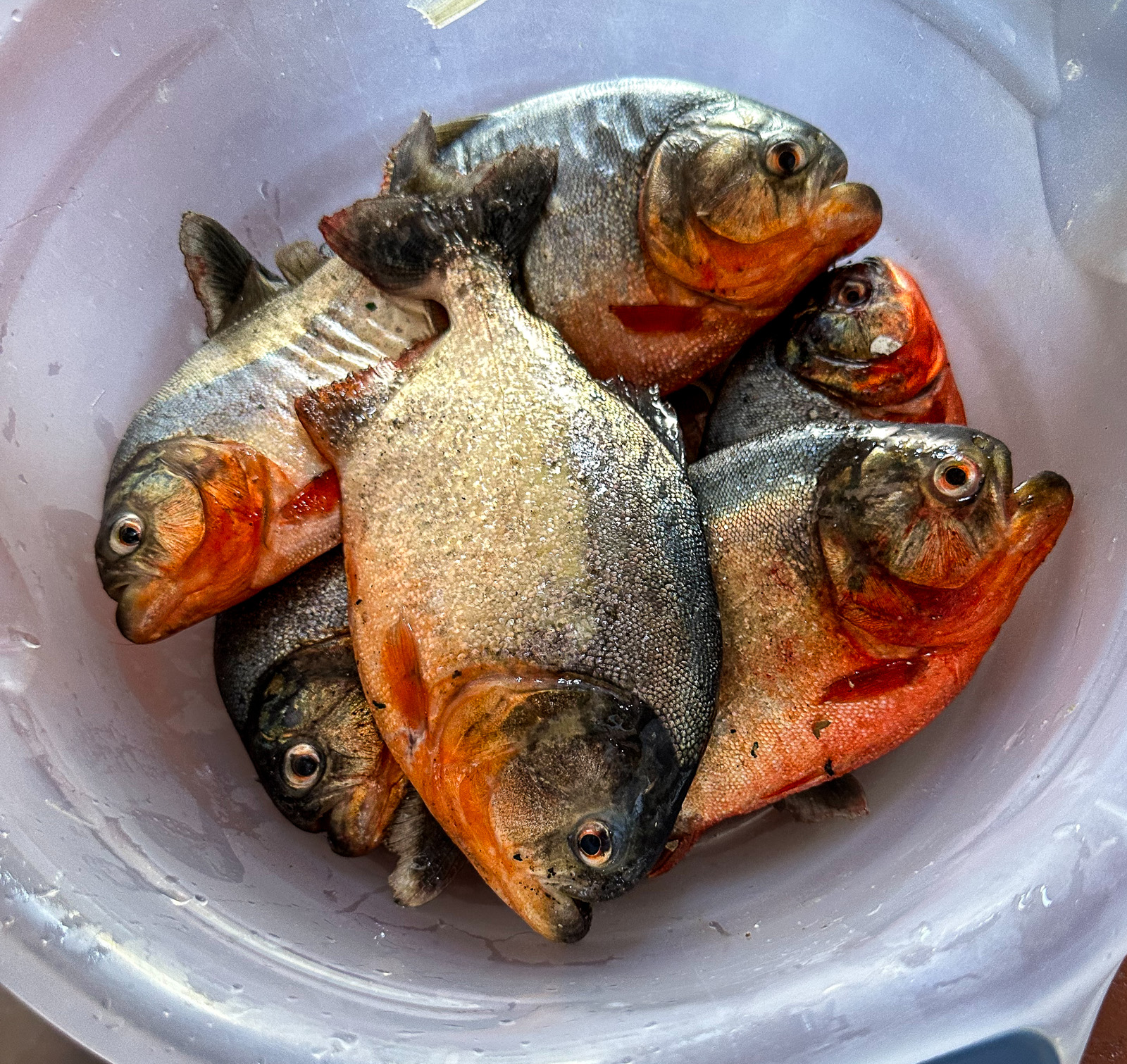
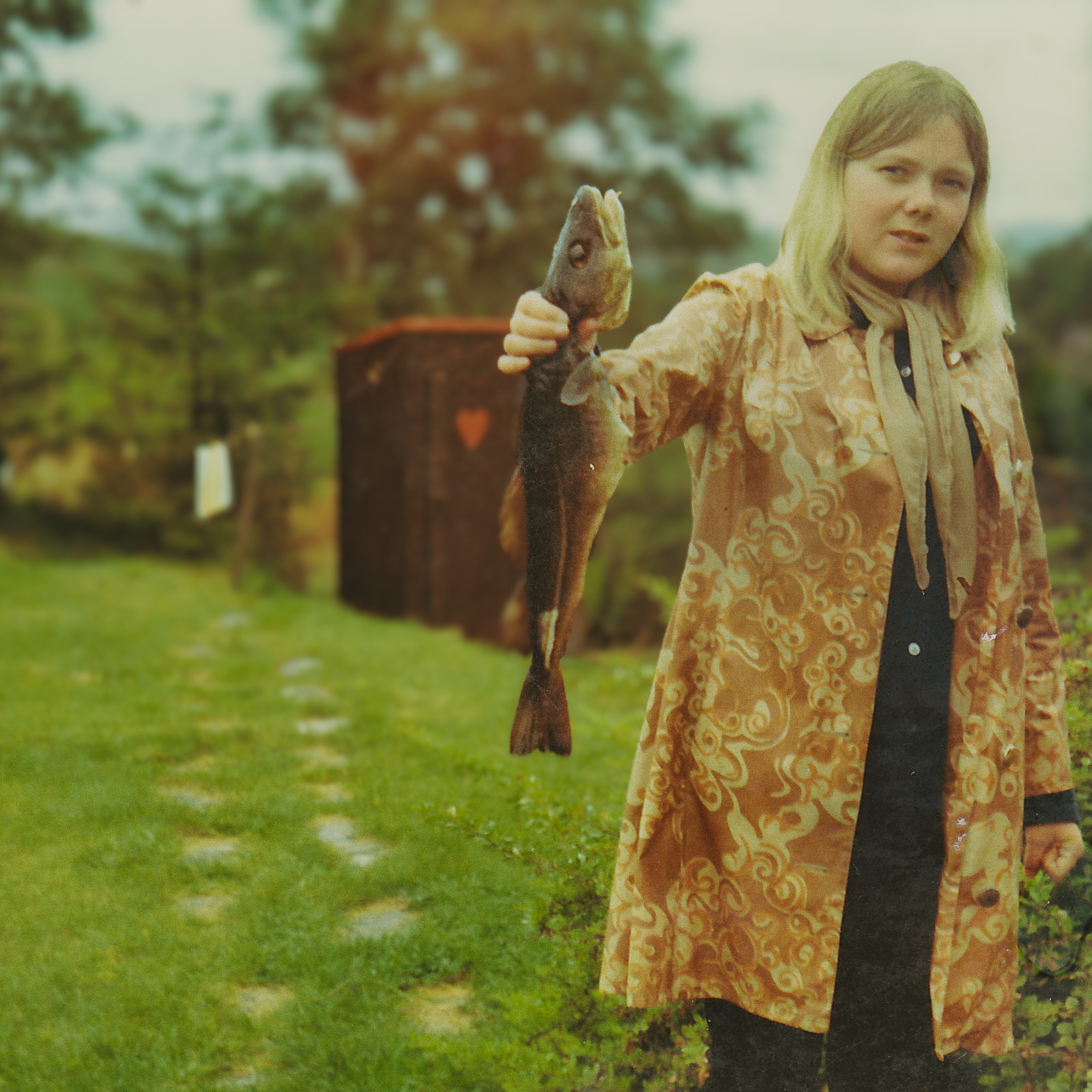
Most of my fish encounters have been incidental rather than targeted. In Norway I remember fishing for trout early in the morning on the lake beside the hytte where we were staying; we later cooked them over an open fire for breakfast. On another trip I caught a large Atlantic Cod while fishing near Bergen. During a visit to the Amazon the boat crew went fishing each day and I photographed a plate of freshly caught piranhas. In warmer waters I have also seen a variety of fish while snorkelling in places such as the Cayman Islands, Malaysia and the Philippines, although unfortunately I did not record the species at the time.
List of Species (10)
Order Cyprinodontiformes — Carps and Minnows
- Family Anablepidae (Four-eyed Fishes etc)
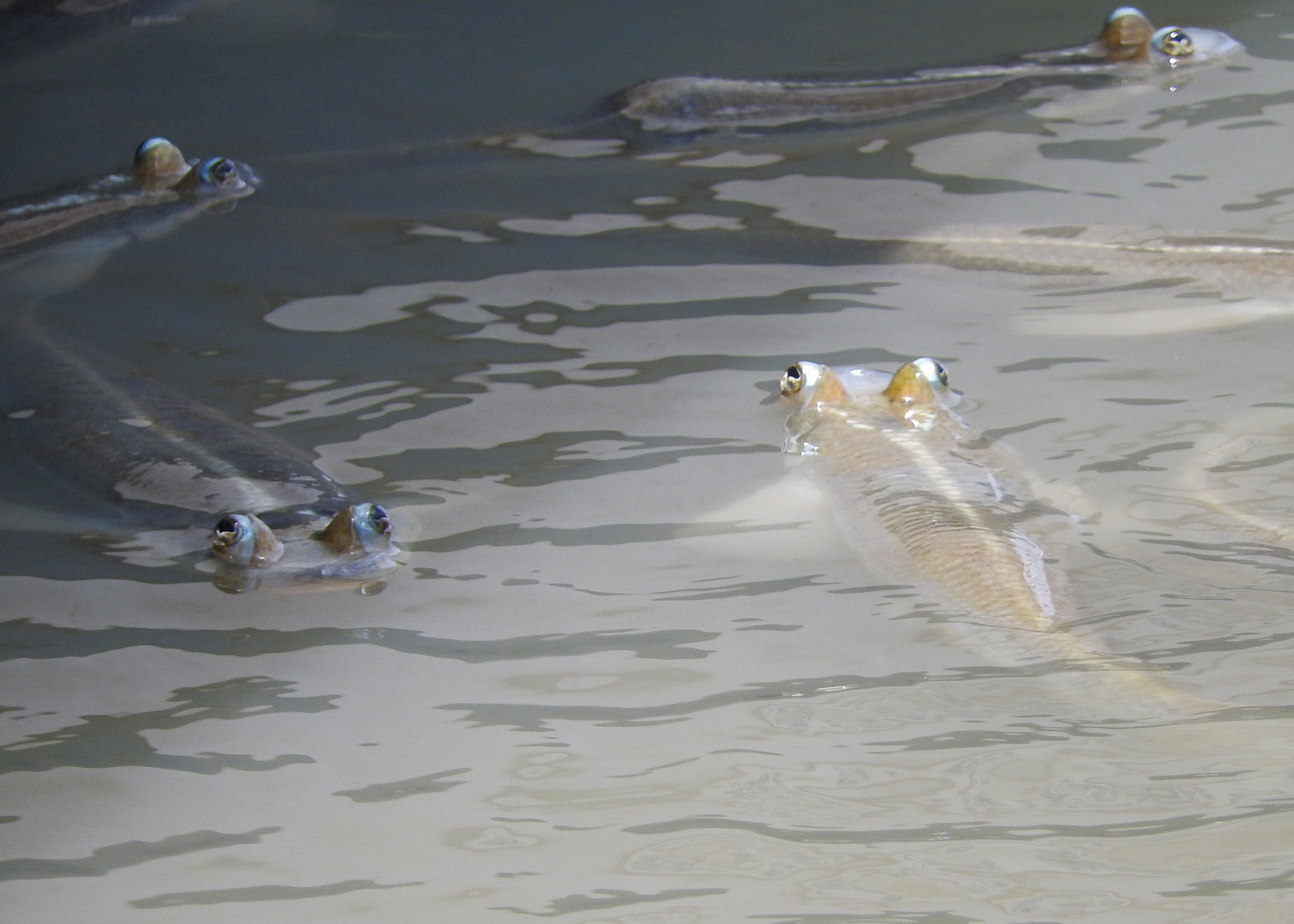
- Largescale Four-eyed Fish (Anableps anableps) — Trinidad & Tobago, 2019
Order Characiformes — Characins and Piranhas
- Family Alestidae (American Tetras)
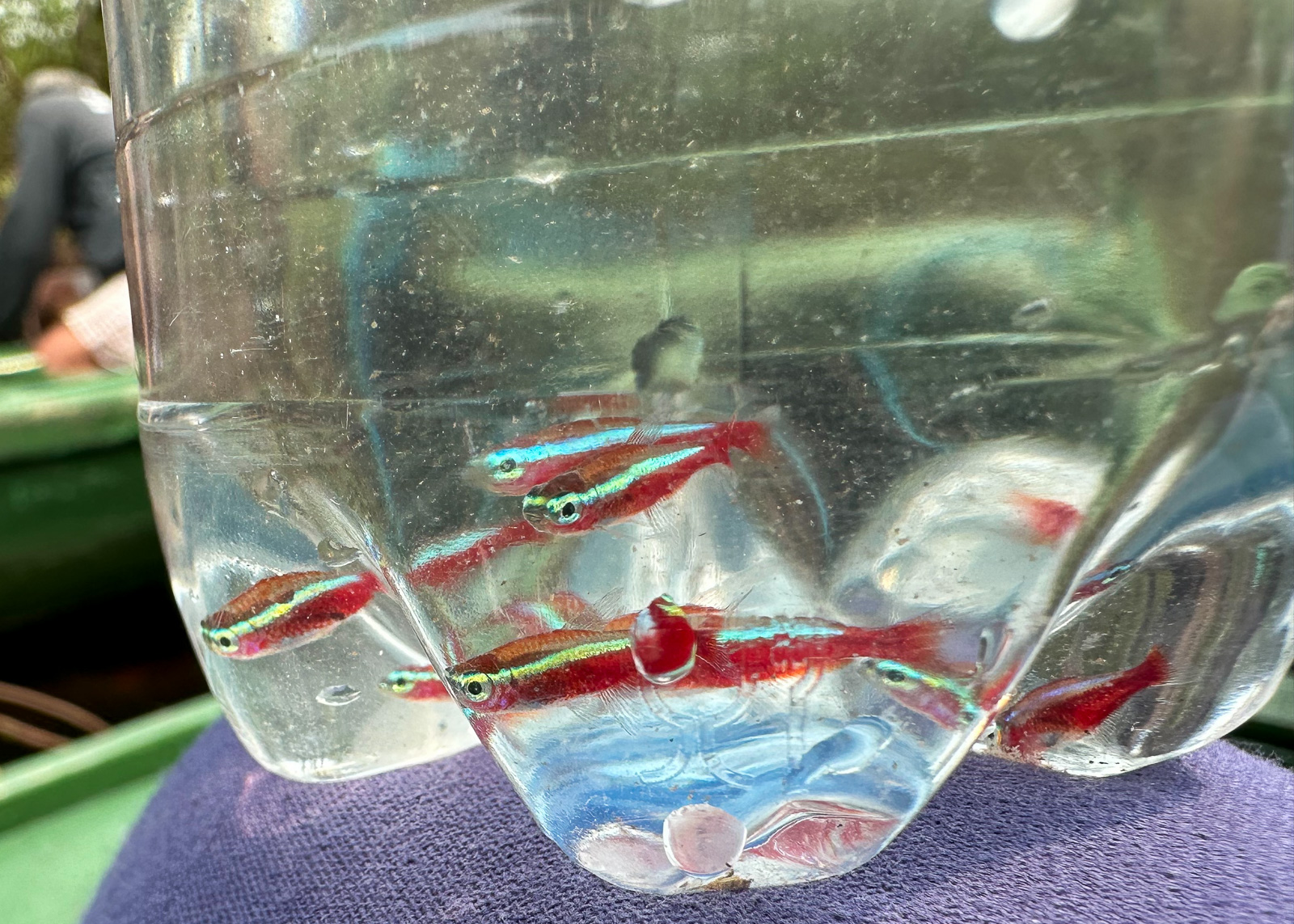
- Cardinal Tetra (Paracheirodon axelrodi) — Amazon 2024
- Family Serrasalmidae (Piranhas etc)
- Redbelly Piranha (Pygocentrus nattereri) — Amazon 2024
Order Cypriniformes — Carps and Minnows
- Family Leuciscidae (True Minnows)
- European Minnow (Phoxinus phoxinus) — Various, Common UK Species
- Family Cyprinidae (Cyprinids)
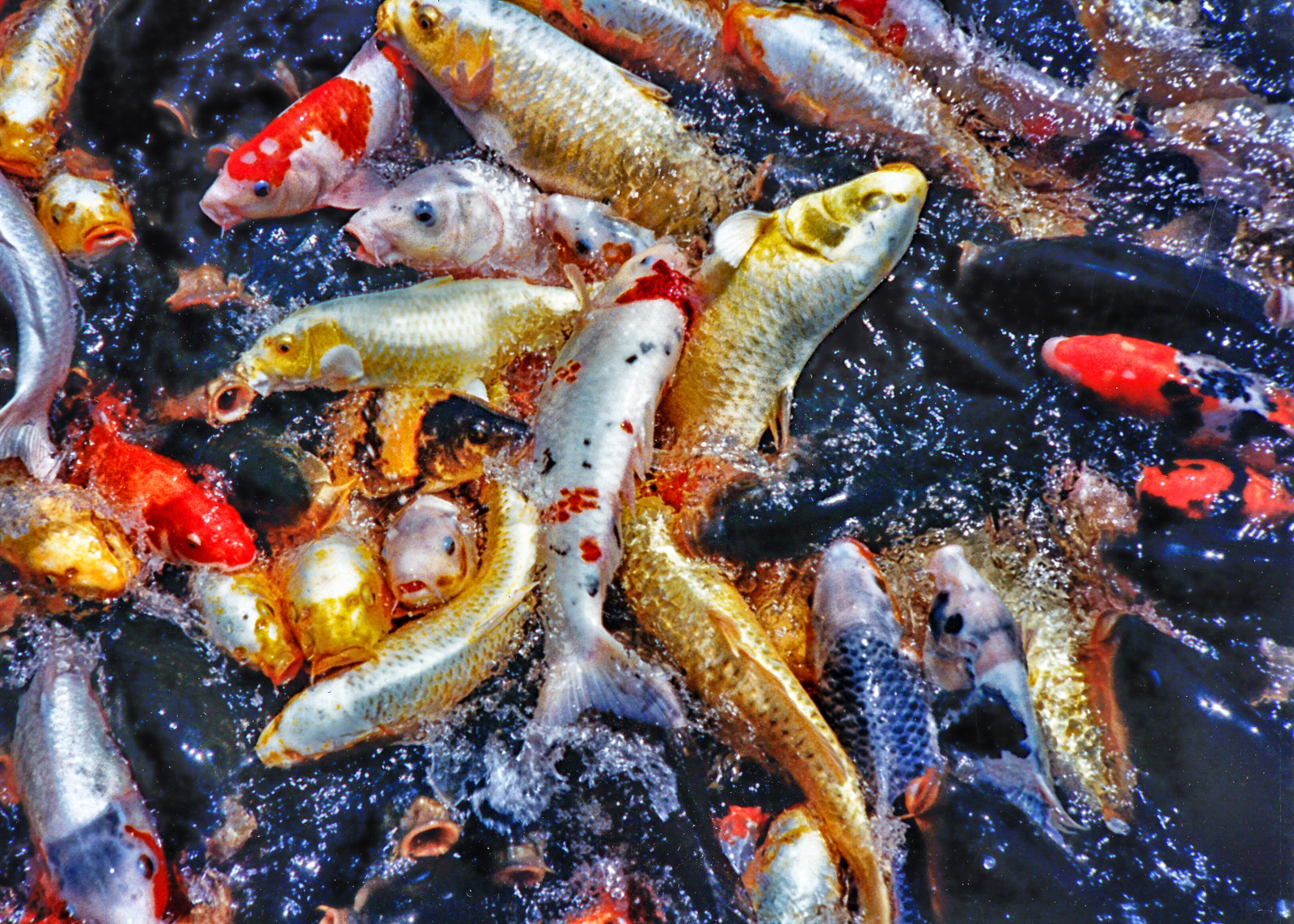
- Amur Carp (Cyprinus rubrofuscus) — Japan
Order Gadiformes — Cods and Hakes
- Family Gadidae (Cods and Haddocks)
- Atlantic Cod (Gadus morhua) — Norway (fished)
Order Salmoniformes — Salmons, Pikes and Mudminnows
- Family Esocidae (Pikes)
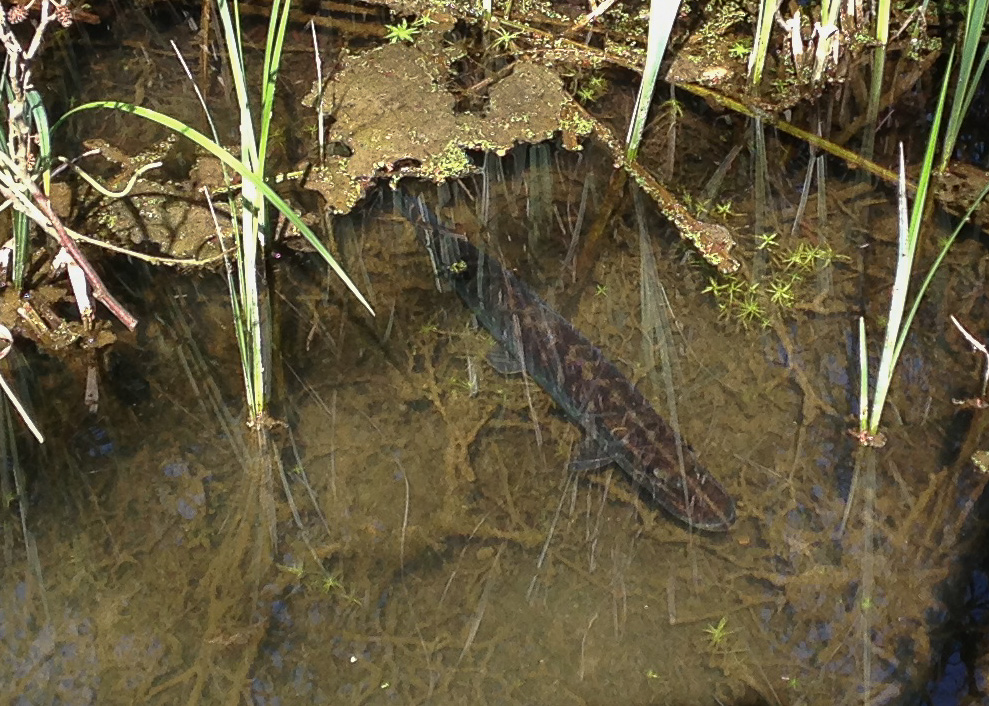
- Northern Pike (Esox lucius) — Various, Common UK Species
- Family Salmonidae (Salmons, Trouts, and Whitefishes)
- Rainbow Trout (Oncorhynchus mykiss) — Norway
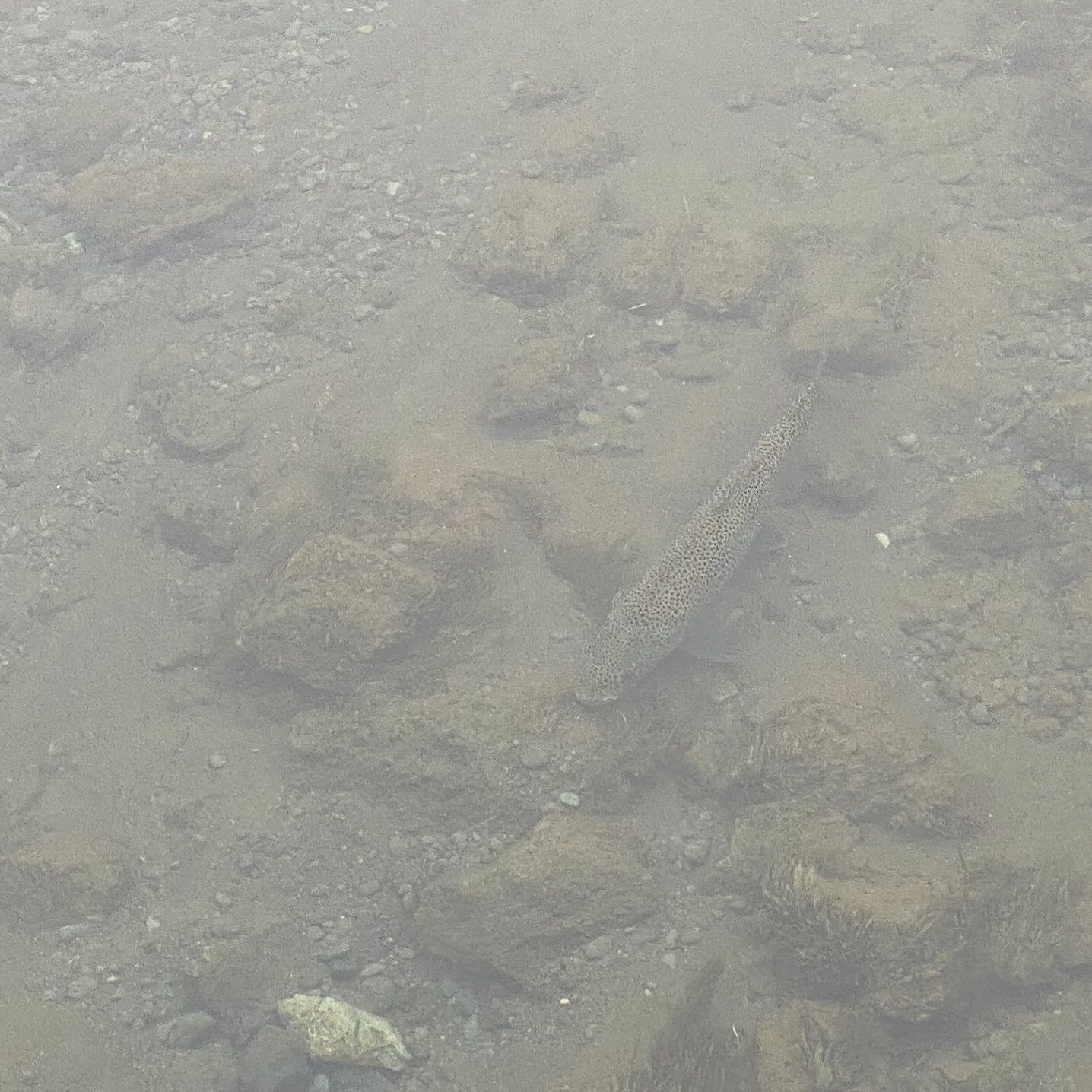
- Brown Trout (Salmo trutta) — Norway (fished), Thingvellir Iceland 2021
Order Tetraodontiformes — Puffers and Filefishes
- Family Tetraodontidae — Pufferfishes
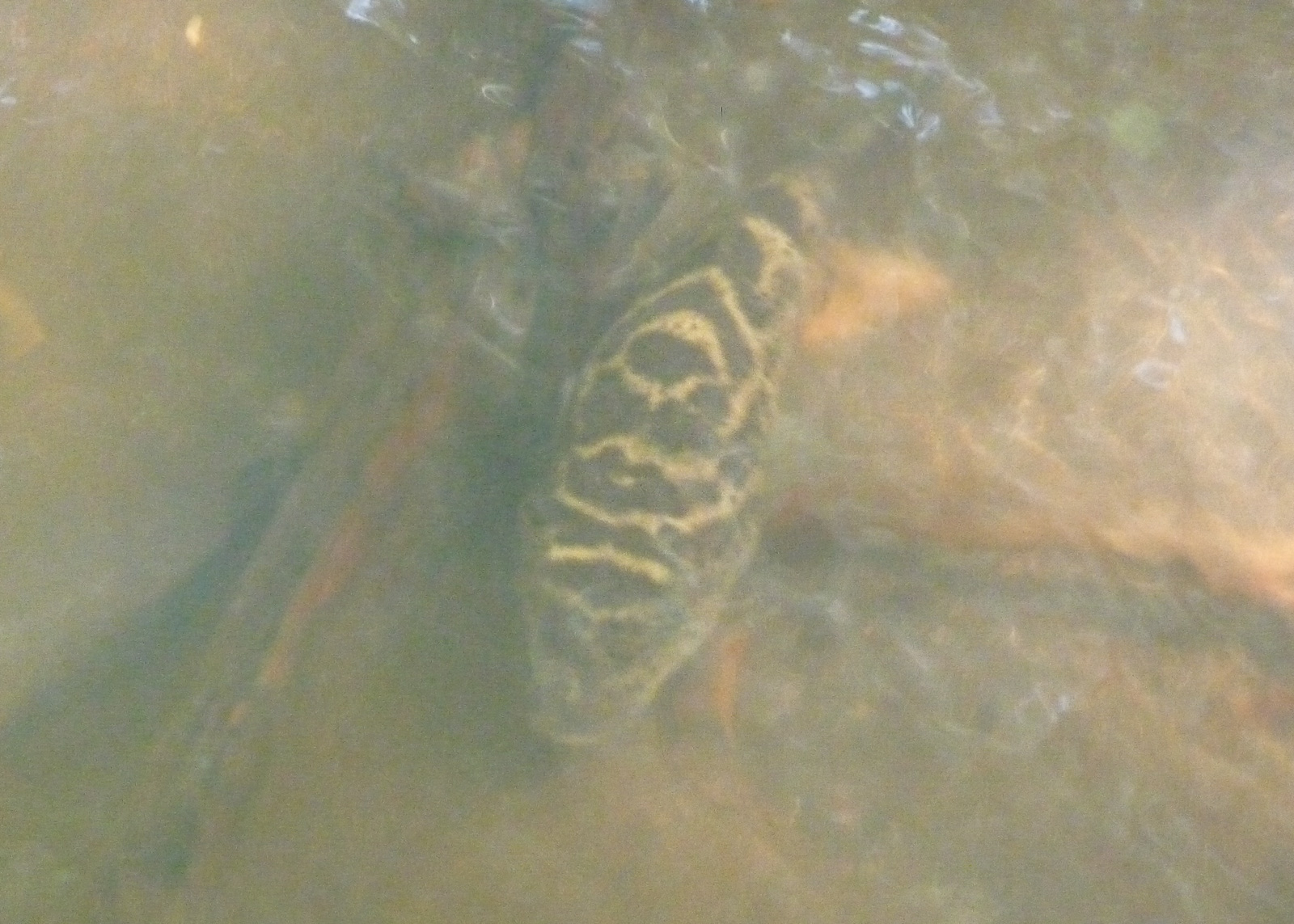
- Checkered puffer (Sphoeroides testudineus) — Tortuguero, Costa Rica 2015
Class Chondrichthyes — Cartilaginous Fishes
Cartilaginous fishes are characterised by skeletons made primarily of cartilage rather than bone. The group includes sharks, rays, skates and chimaeras, many of which are important marine predators. They are divided into two Subclasses: Elasmobranchii (Sharks and Rays) and Holocephali (Chimaeras – Ghost Sharks)
Subclass Elasmobranchii — Sharks and Rays
Sharks and rays form the largest group of cartilaginous fishes and are characterised by multiple gill slits, placoid scales and a skeleton made of cartilage. The group includes sharks, rays and skates, many of which are important marine predators and often highly specialised for life in open water or on the sea floor.
My obserbvations
While snorkelling in Malaysia I saw several small reef sharks swimming in shallow water. In Grand Cayman I also had the chance to interact with Southern Stingrays in the clear Caribbean shallows.
List of Species (2)
Order Myliobatiformes
- Southern Stingray (Hypanus americanus) — Cayman 2009
Order Carcharhiniformes
- Blacktip Reef Shark (Carcharhinus melanopterus) — Malaysia (juvenile) 1992
Subclass Holocephali — Chimaeras (Ghost Sharks)
Chimaeras, sometimes known as ghost sharks or ratfishes, are deep-water cartilaginous fishes related to sharks and rays but forming a distinct lineage. Unlike sharks, they have a single gill opening on each side of the head and smooth tooth plates used for crushing hard prey.
Other Fish Classes
- Class Sarcopterygii — Lobe-finned Fishes
- Class Cephalaspidomorphi — Lampreys
- Class Myxini — Hagfishes
Class Sarcopterygii — Lobe-finned Fishes
Lobe‑finned fishes have fleshy, limb‑like fins supported by internal bones. Only a few living species remain today — the coelacanths and the lungfishes — but the group is evolutionarily significant because the earliest land vertebrates evolved from this lineage.
Class Cephalaspidomorphi — Lampreys
Lampreys are primitive jawless fishes with long eel-like bodies and a circular suction-cup mouth lined with teeth. Many species are parasitic on other fish, attaching to them and feeding on blood or tissue. Lampreys occur in both freshwater and marine environments, particularly in the Northern Hemisphere.
Class Myxini — Hagfishes
Hagfishes are unusual jawless marine fishes known for their ability to produce large quantities of slime when disturbed. They are scavengers that feed mainly on dead or dying animals on the seabed. Hagfishes represent one of the most primitive surviving lineages of vertebrates.