Phylum Chordata – Vertebrates & Relatives
Chordates are animals that at some stage in their life cycle possess a notochord, a dorsal nerve cord, gill slits, and a post‑anal tail. This phylum includes all vertebrates as well as two smaller groups: tunicates and lancelets. Chordates range from simple filter‑feeding marine animals to the most complex land vertebrates, including humans.
Subdivision of the Phylum
Different taxonomic authorities divide Chordata in slightly different ways. For consistency across this site, the structure follows the approach used by iNaturalist and the NBN Atlas, which recognise three subphyla: Cephalochordata, Tunicata, and Vertebrata. The lists below show the classes within each group.
Subphylum Cephalochordata — Lancelets
These are small, fish‑like marine animals that retain chordate features throughout life. There is only one class: Class Leptocardii (Lancelets)
Subphylum Tunicata — Tunicates
Tunicates and sea squirts are marine filter-feeders where the notochord and nerve cord are present in larval stage but often reduced in adults. There are 3 classes:
- Class Appendicularia (Pelagic Tunicates)
- Class Ascidiacea (Sea Squirts)
- Class Thaliacea (Thaliaceans)
Subphylum Vertebrata — Vertebrates
These are animals with a vertebral column, including fishes, amphibians, reptiles, birds, and mammals.
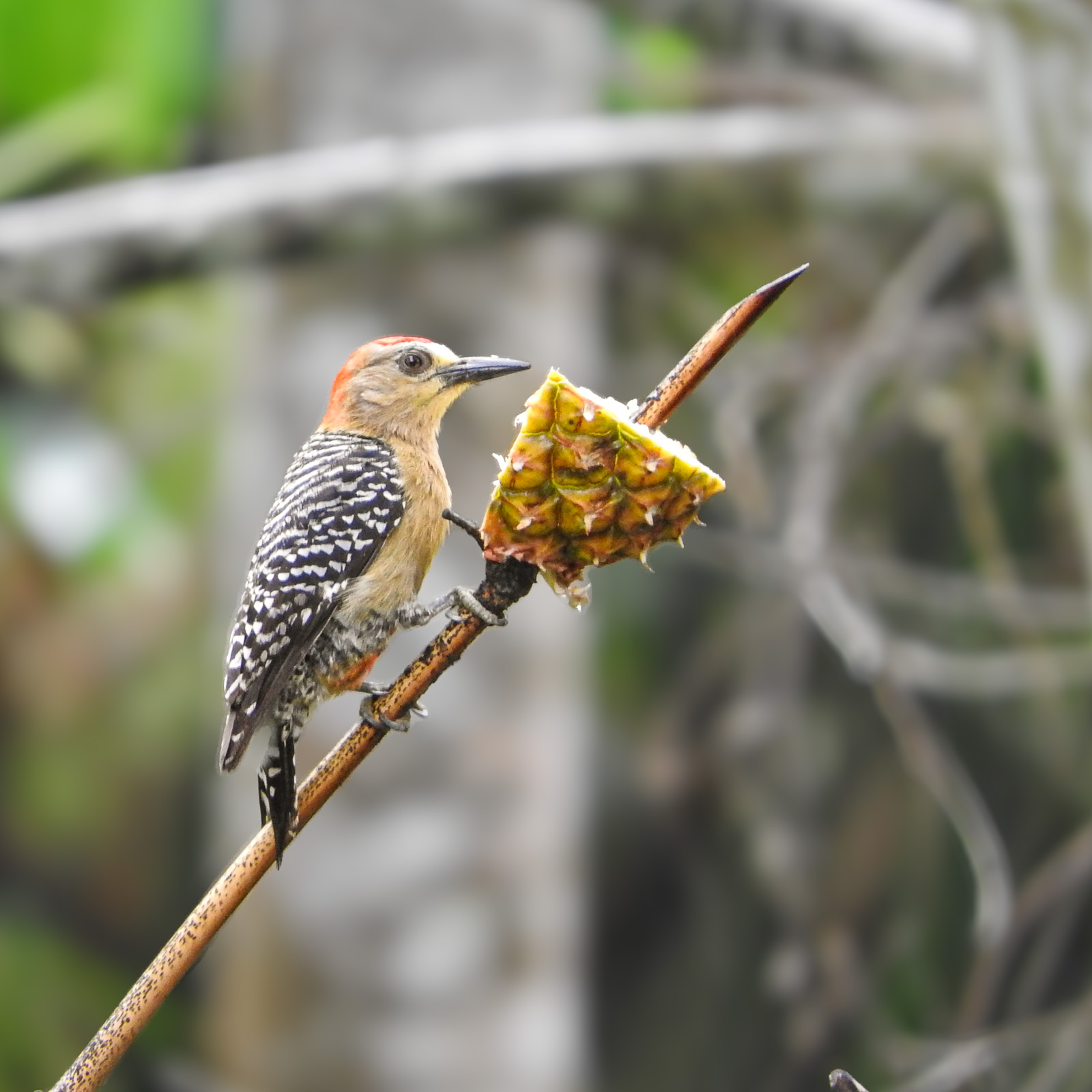
- Class Aves — Birds
- Class Mammalia — Mammals
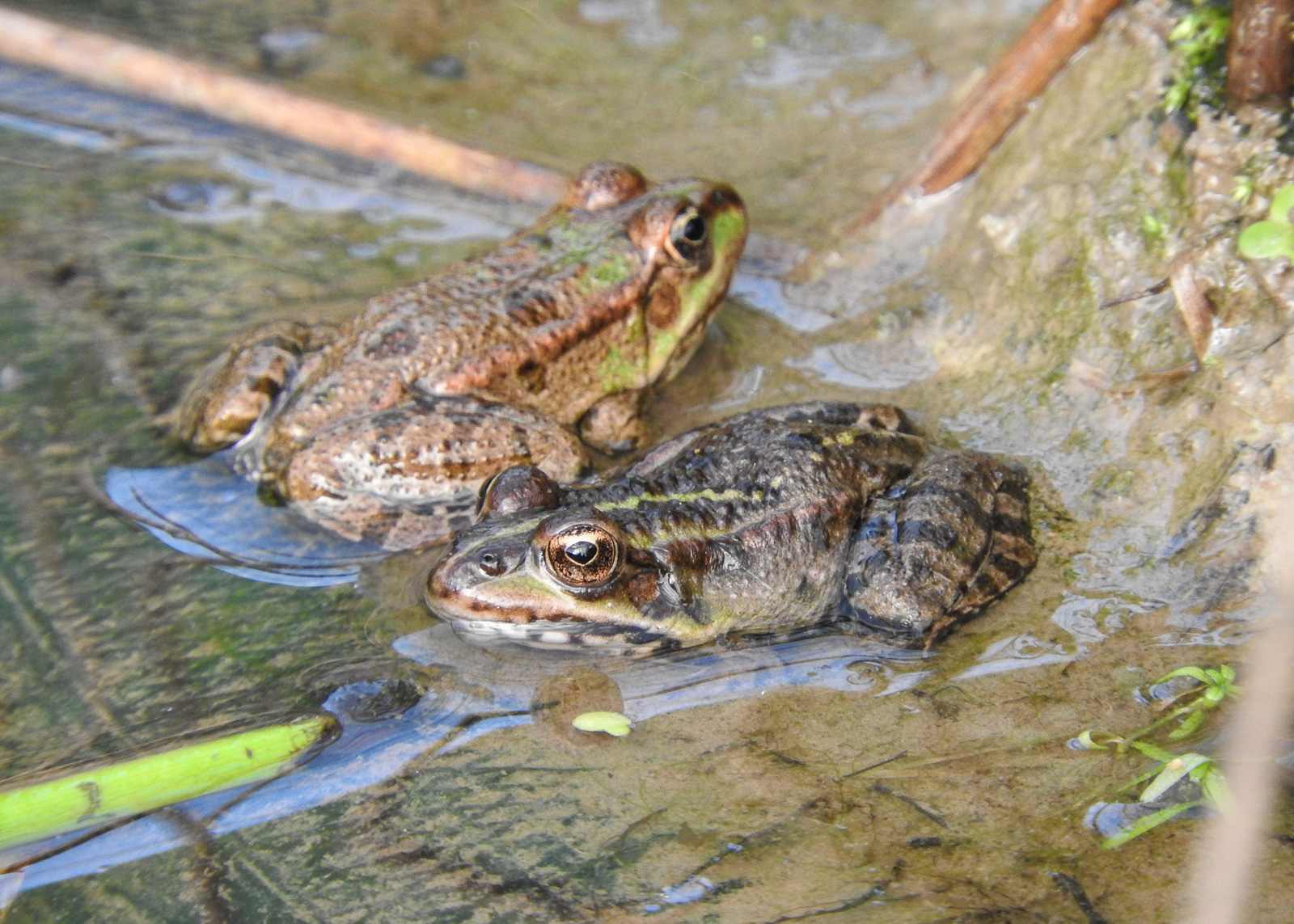
- Class Amphibia — Amphibians
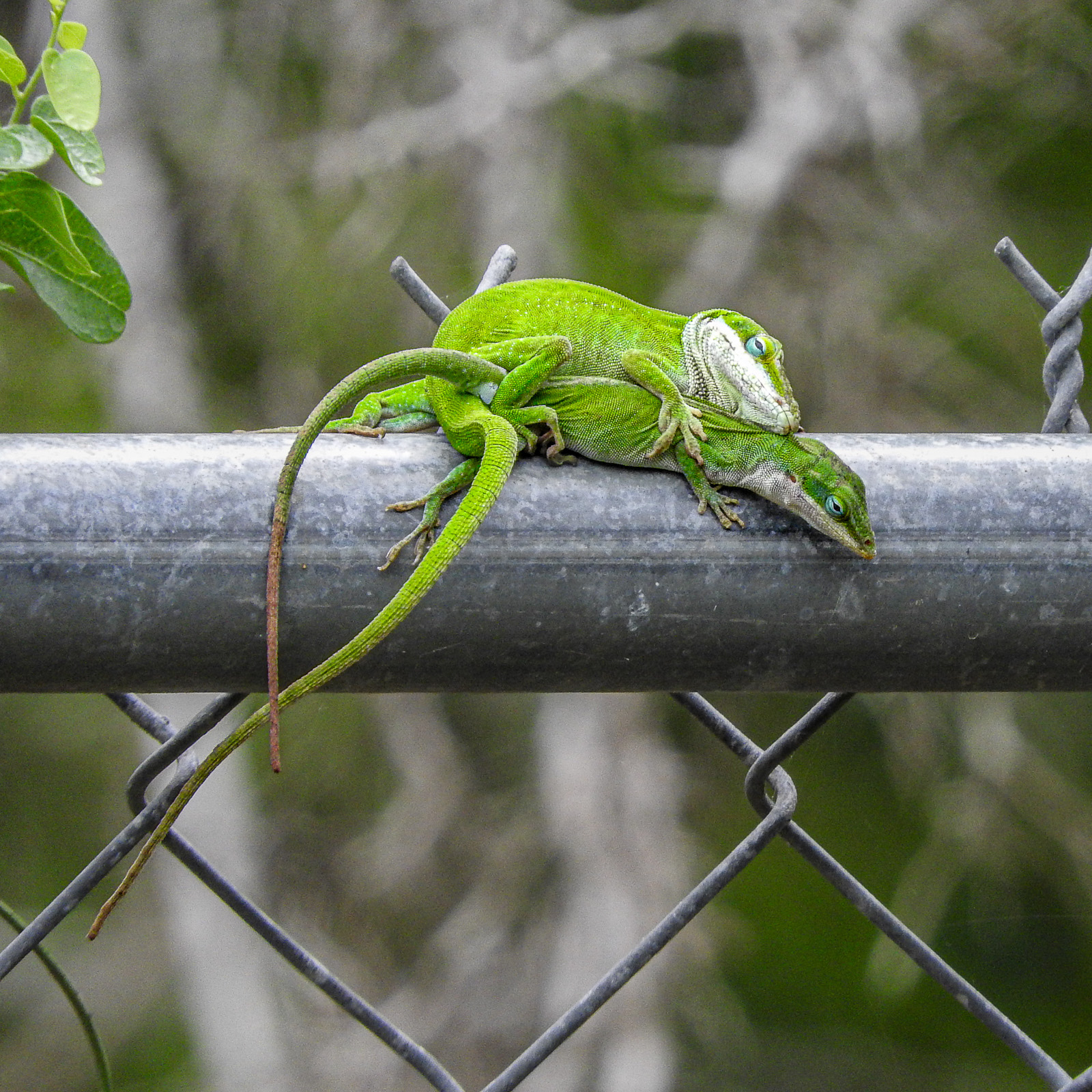
- Class Reptilia — Reptiles
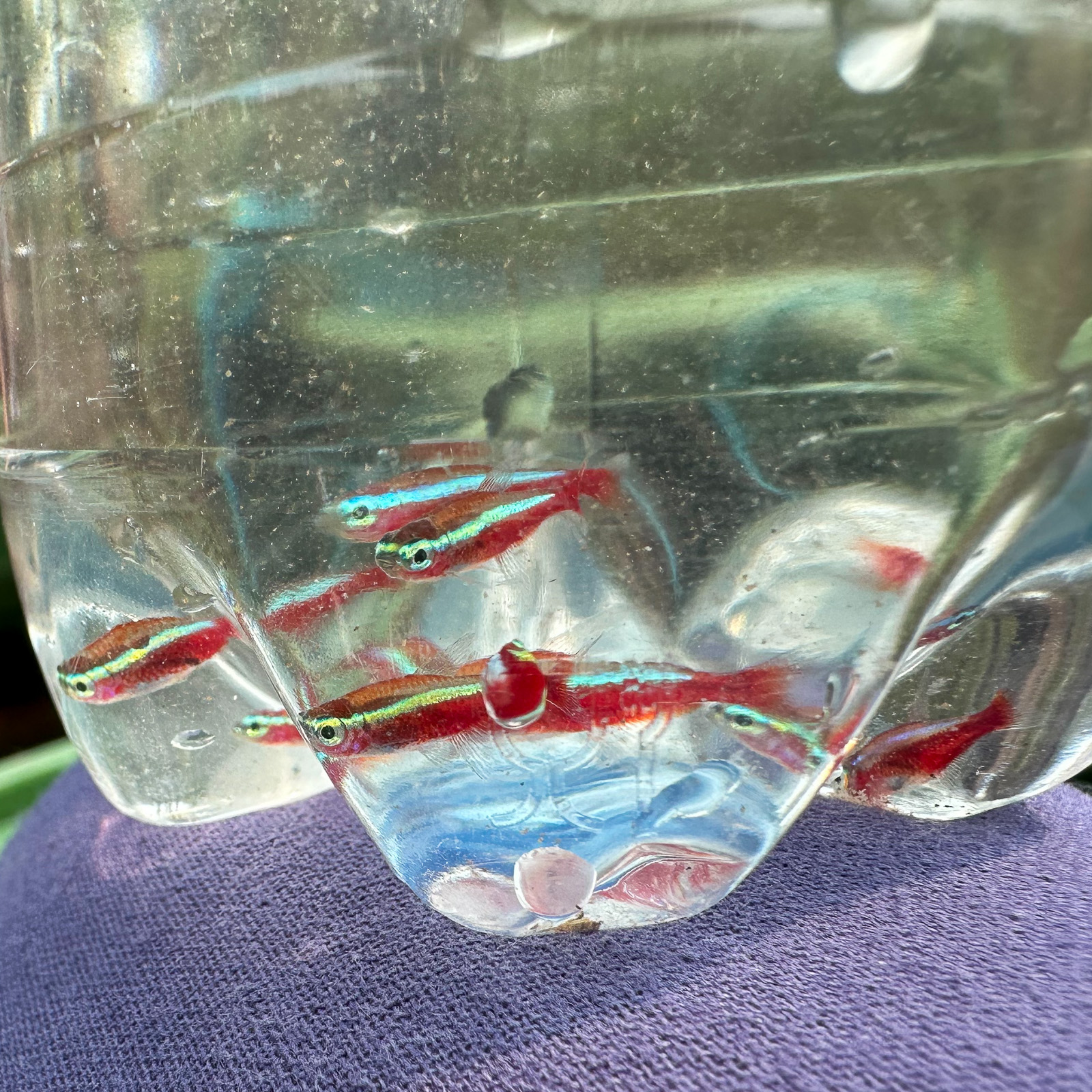
- Class Actinopterygii — Ray‑finned Fishes
- Class Sarcopterygii — Lobe‑finned Fishes
- Class Chondrichthyes — Cartilaginous Fishes (Sharks, Rays & Chimaeras)
- Class Cephalaspidomorphi — Lampreys
- Class Myxini — Hagfishes
Major Vertebrate Groups Observed

Notes
- NBN Atlas and iNaturalist recognise three subphyla (Cephalochordata, Tunicata, Vertebrata). CoL and BOLD treat Chordata without subphyla.
- iNaturalist groups lampreys (Cephalaspidomorphi) and hagfishes (Myxini) into a superclass Agnatha (Jawless Fishes).