Kingdom Plantae
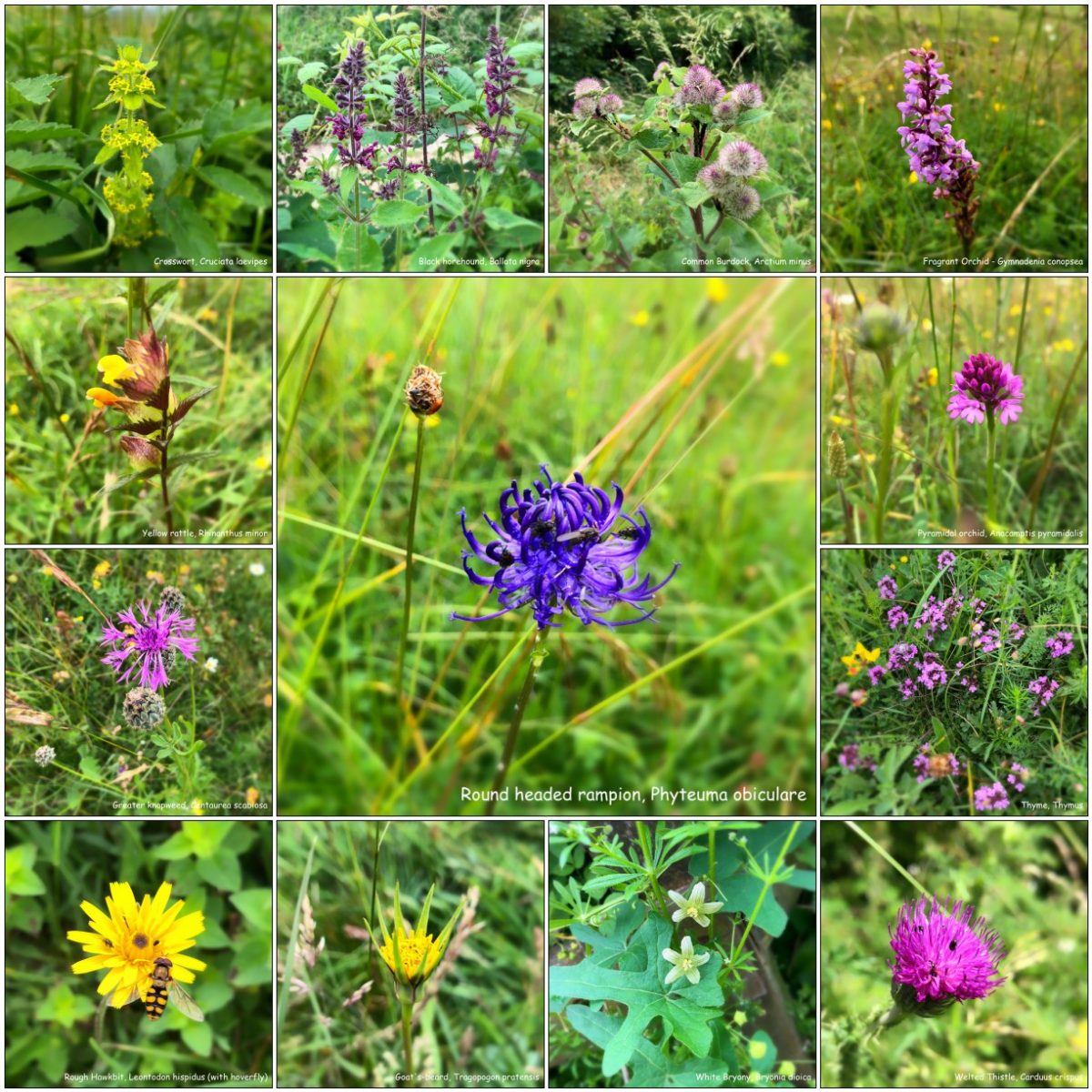
Plants are primarily multicellular, predominantly photosynthetic organisms. Historically, many living organisms that were not classified as animals were grouped within the plant kingdom, although fungi and some algae are now placed in separate kingdoms
Subdivision of the Kingdom
Plants can be classified in a number of ways. Modern systems, including those used by platforms such as iNaturalist, Catalogue of Life, and the National Biodiversity Network Atlas, follow a classification based on evolutionary relationships derived from genetic data.
The list below follows the phyla recognised by iNaturalist.
For clarity and usability, this site uses a simplified structural approach, grouping plants by form and function while retaining standard taxonomy within each section.
Land plants can be divided into non-vascular and vascular plants. Vascular plants are further subdivided into seedless and seed-producing groups.
Non-vascular Plants (Bryophytes)
These plants lack vascular tissue (xylem and phloem), and are typically small, growing in moist or shaded environments where water can be absorbed directly. They include:
- Mosses (Bryophyta)
- Liverworts (Marchantiophyta)
- Hornworts (Anthocerotophyta)
Vascular Plants (Tracheophytes)
Vascular plants contain specialised conducting tissues. Xylem transports water and provides support, while phloem transports sugars and other nutrients. This enables the development of true stems, leaves, and roots. This group contains the majority of familiar terrestrial plants. They are commonly divided into seedless and seed-producing plants.
Seedless Vascular Plants (Pteridophytes)
These are vascular plants that reproduce by spores rather than seeds. They are typically found in damp environments, although many species can tolerate drier conditions. They include:
- Clubmosses (Lycopodiopsida)
- Horsetails (Equisetopsida)
- Ferns (Polypodiopsida)
Seed Plants (Spermatophytes)
Seed plants reproduce by means of seeds rather than spores. They generally have more complex structures than ferns, including stems that branch and well-developed vascular systems.
This group contains the majority of familiar plants, including most trees, shrubs, and flowering plants, and is commonly subdivided into gymnosperms and angiosperms.
Gymnosperms
Gymnosperms are seed-producing plants in which the seeds are not enclosed within a fruit. Many are woody plants, and this group includes most familiar coniferous trees. These include:
- Conifers (Pinophyta) – pines, spruces, firs
- Ginkgo (Ginkgo biloba)
- Cycads (Cycadophyta)
Angiosperms (Flowering Plants)
Angiosperms are flowering plants in which the seeds are enclosed within a fruit. They are the most diverse group of plants and include the majority of species found in most habitats. These are futher divided into Monocots and Eudicots
Monocots (Grasses, Lilies, Orchids & Allies)
Flowering plants with a single seed leaf. They typically have narrow leaves with parallel veins, and flower parts in multiples of three. These include:
- Grasses (Poaceae)
- Sedges (Cyperaceae)
- Orchids (Orchidaceae)
- Lilies and related plants
Eudicots (Most Wildflowers, Trees & Shrubs)
Flowering plants with two seed leaves. They usually have broader leaves with branching veins, and flower parts in multiples of four or five. These include:
- Roses (Rosaceae)
- Daisies (Asteraceae)
- Legumes (Fabaceae)
- Most broad-leaved trees and shrubs
Other Photosynthetic Organisms — Algae
A small group of simple, primarily aquatic or surface‑growing organisms that carry out photosynthesis but do not belong to the mosses or vascular plants.
Major Groups Documented on This Site
The sections below highlight the main plant groups currently represented on this site. These are based on available observations and will be expanded over time.
Here are some of my observations from iNaturalist
Now loading observations…