Algae are a diverse collection of simple, primarily non‑vascular organisms that carry out photosynthesis but do not belong to the mosses or vascular plants. They range from microscopic green films to vivid orange surface growths and occur on tree bark, rocks, soil, freshwater, and marine habitats. Because algae span several distinct evolutionary lineages, they are … Continue reading "Other Photosynthetic Organisms — Algae"
Read MoreCategory: Kingdom Plantae
Flowering Plants — Angiosperms (Dicots / Eudicots)
Dicots (or eudicots in modern classifications) form the largest and most diverse branch of the flowering plants. They are characterised by having two seed leaves (cotyledons), net‑veined leaves, and floral parts often arranged in fours or fives. This group includes many of the world’s most familiar wildflowers, shrubs, and trees. From roses and sunflowers to … Continue reading "Flowering Plants — Angiosperms (Dicots / Eudicots)"
Read MoreFlowering Plants — Angiosperms (Monocots)
Monocots are one of the two major lineages of flowering plants and include many of the world’s most familiar species. They are characterised by having a single seed leaf (cotyledon), parallel‑veined leaves, and floral parts typically arranged in multiples of three. Monocots occupy an extraordinary range of habitats, from wetlands and grasslands to tropical forests … Continue reading "Flowering Plants — Angiosperms (Monocots)"
Read MoreSeed Plants – Gymnosperms
Gymnosperms are the oldest living seed plants, with origins stretching back more than 300 million years. Unlike flowering plants, their seeds are not enclosed within fruits; instead, they develop openly on the surfaces of cones or specialised reproductive structures. This ancient lineage includes conifers, cycads, ginkgos, and gnetophytes — groups that dominated Earth’s forests long … Continue reading "Seed Plants – Gymnosperms"
Read MoreSeedless Vascular Plants (Pteridophytes)
Work in progress… Seedless vascular plants represent an early and important stage in the evolution of land plants. Unlike bryophytes, they possess true vascular tissue (xylem and phloem), allowing them to transport water and nutrients internally and grow taller than their non‑vascular relatives. However, like mosses and liverworts, they still reproduce via spores rather than … Continue reading "Seedless Vascular Plants (Pteridophytes)"
Read MoreNon-vascular Plants (Bryophytes)
Non‑vascular plants represent some of the oldest and most resilient lineages within the plant kingdom. Unlike vascular plants, they lack specialised conducting tissues (xylem and phloem), and instead absorb water and nutrients directly through their surfaces. This limits their size, but allows them to thrive in environments where other plants struggle — from shaded woodland … Continue reading "Non-vascular Plants (Bryophytes)"
Read MoreKingdom Plantae
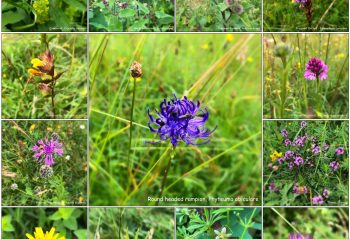
Plants are primarily multicellular, predominantly photosynthetic organisms. Historically, many living organisms that were not classified as animals were grouped within the plant kingdom, although fungi and some algae are now placed in separate kingdoms Subdivision of the Kingdom Plants can be classified in a number of ways. Modern systems, including those used by platforms such … Continue reading "Kingdom Plantae"
Read More